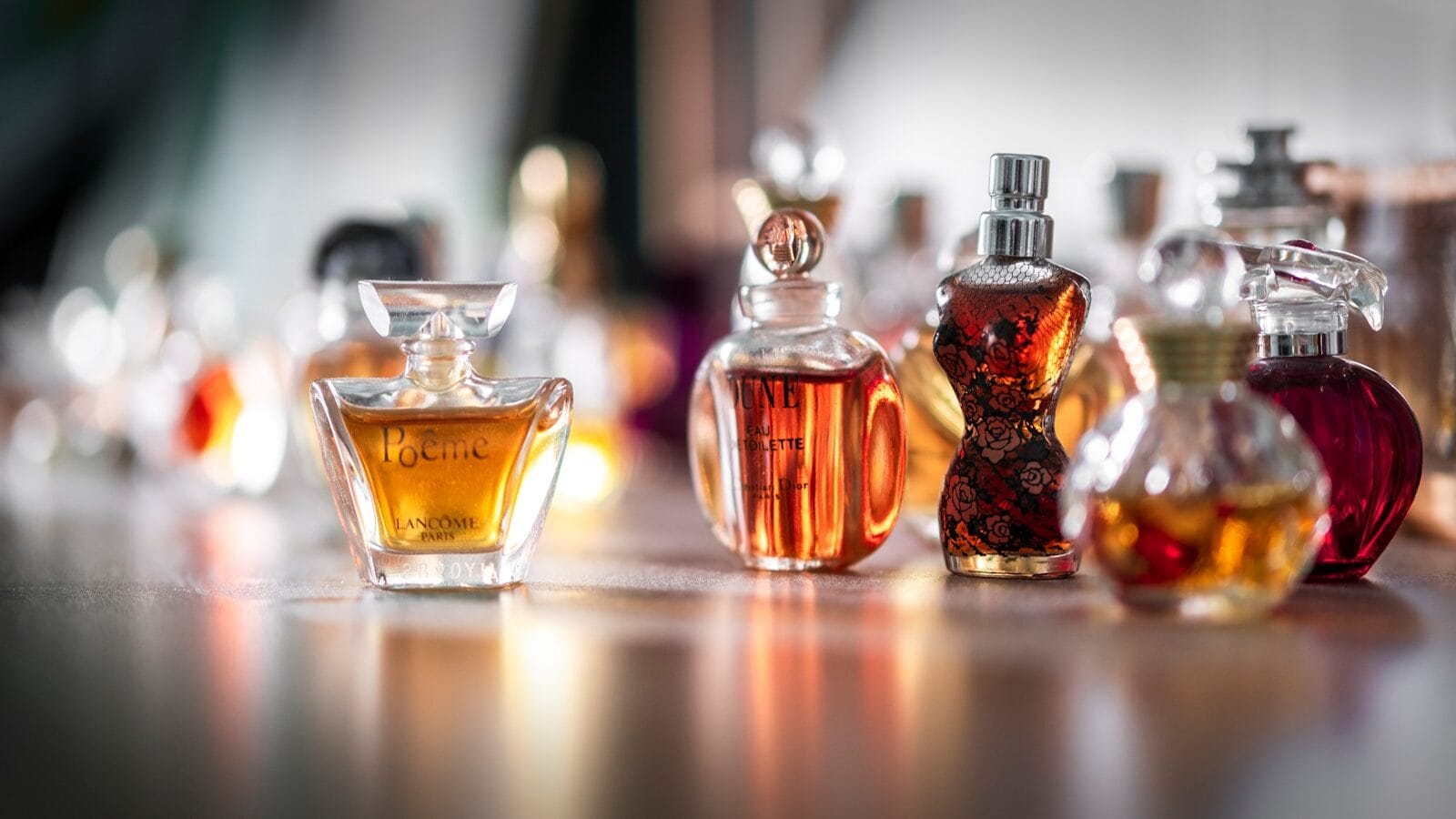
A scented candle may make one person’s office feel comfortable. Another person may enter the same room and immediately want to leave. Perfume that seems subtle to its wearer can remain noticeable across a meeting table, inside an elevator, or long after someone has left a room.
Smell is sometimes overlooked in sensory accessibility because fragrance is often treated as decoration rather than environmental input. Yet perfumes, air fresheners, cleaning products, scented lotions, laundry products, candles, and diffusers all change a shared sensory environment.
For some people, that change is pleasant. For others, it can create sensory discomfort, nausea, headache, difficulty concentrating, or symptoms connected with conditions such as migraine or asthma.
Smell Sensitivity Is Not One Condition
There is no single diagnosis that explains every adverse response to fragrance.
Autistic people can experience unusual sensory responses, including differences involving smell, but autism does not produce one uniform olfactory profile. A 2026 systematic review and meta-analysis found group differences in several aspects of olfactory function while also showing substantial variability across studies.
Migraine provides a different example. Osmophobia refers to heightened sensitivity or aversion to odors associated with migraine. A recent systematic review found it commonly reported in migraine research, with perfume and smoke among frequently identified odor triggers.
Respiratory disease, allergy, nausea, pregnancy, medication effects, neurological conditions, and other circumstances can also change how a person responds to odors.
Calling every reaction a “sensory issue” can therefore obscure medically important differences.
Preferred Scent and Unwanted Scent Are Different Experiences
Someone who enjoys an essential-oil diffuser at home can still struggle with another person’s perfume.
The difference is not necessarily inconsistency. Personal scent use usually offers control: the person chooses the fragrance, intensity, location, timing, and when to stop it.
Fragrance in a shared environment removes much of that control.
This distinction matters when creating sensory rooms, therapy spaces, classrooms, waiting rooms, offices, or event areas. Adding lavender, peppermint, eucalyptus, vanilla, or another supposedly “calming” fragrance does not make a room universally sensory-friendly.
There is no scent that is calming for everyone.
Air Fresheners Can Create the Problem They Are Supposed to Solve
Organizations sometimes use plug-ins, sprays, candles, or diffusers to make a room smell cleaner or more welcoming.
From an accessibility perspective, intentionally adding fragrance is different from controlling an unwanted odor at its source.
If a room smells because of garbage, moisture, poor ventilation, food waste, or another environmental issue, masking the odor with fragrance leaves the underlying source in place while adding another smell.
Source control, appropriate cleaning, and adequate ventilation may be more broadly usable approaches than continuously fragrancing the air.
This does not mean every scented product must disappear from every building. It means fragrance should be recognized as an environmental design choice rather than an invisible default.
“Fragrance-Free” Can Be Hard to Guarantee
A perfectly scent-free public environment is difficult to create.
People arrive wearing personal-care and laundry products. Cleaning products may leave residual odors. Food, outdoor air, building materials, and other sources cannot always be controlled.
The Job Accommodation Network therefore cautions employers that guaranteeing a completely fragrance-free workplace may be impractical while still recommending concrete ways to reduce unnecessary exposure.
An organization might prohibit scented candles, plug-ins, or aerosol fragrances it directly controls, request that employees avoid strongly fragranced personal products, improve ventilation, relocate a workstation, provide an enclosed workspace, allow telework, or adjust scheduling depending on the situation.
The appropriate solution depends on the person’s limitations and the environment.
Fragrance Policies Need Specific Language
“Please avoid scents” can mean different things to different people.
Someone may stop wearing perfume but continue using strongly fragranced hand lotion. Another person may assume that a scented oil is acceptable because it is marketed as natural.
If an organization is trying to reduce fragrance exposure, clearer language can identify the relevant sources: perfume, cologne, aftershave, fragranced lotion, scented hair products, air fresheners, diffusers, candles, or aerosol sprays.
Specific language also avoids framing one employee as personally policing everyone else’s smell. The environmental expectation becomes an organizational practice rather than an interpersonal conflict.
“Natural” Does Not Mean Sensory-Neutral
Essential oils are sometimes presented as a gentler alternative to synthetic fragrance.
From a sensory perspective, however, a naturally derived odor is still an odor.
Someone who is sensitive to lavender does not necessarily experience it differently because the fragrance came from plant oil. Likewise, an essential-oil diffuser can distribute an odor beyond the person who chose to use it.
Product origin and sensory accessibility are separate questions.
Reducing Fragrance Can Help Without Explaining Everyone’s Diagnosis
One advantage of environmental fragrance reduction is that it does not require an organization to decide why each person reacts to smell.
An autistic employee, a person with migraine, someone with a respiratory condition, and a visitor who simply becomes nauseated around intense perfume may all benefit from fewer unnecessary fragrances even though the mechanisms behind their experiences differ.
Formal disability accommodations can involve documentation and jurisdiction-specific legal requirements, particularly when substantial workplace changes are requested. But many environmental decisions can be made proactively.
A waiting room does not need a diagnostic reason to avoid an automatic fragrance dispenser.
Sensory-Friendly Design Should Include the Nose
Sound and lighting receive much of the attention in sensory-accessibility design, but smell is also part of the environment.
The solution is not to declare fragrance universally bad. Scent can be enjoyable, emotionally meaningful, and intentionally regulating for some people, particularly in spaces they control.
The accessibility problem arises when one person’s preferred sensory input becomes unavoidable input for everyone else.
Shared environments can respond by minimizing unnecessary fragrance, controlling odors at their source, making scented features optional rather than automatic, and taking reported smell sensitivity seriously without assuming one diagnosis or mechanism.
A sensory-friendly space does not need to smell calming. Often, the more accessible design is to let the people using it decide what—if anything—they want to smell.