Sensory Diversity
  • Home
  • Blog
  • Neurodivergence
    • What is Autism?
    • What is ADHD?
    • What is Sensory Integration / Sensory Processing Disorder?
    • What is Misophonia?
    • What is Misokinesia?
  • Sensory Lifestyle
  • Sensory DIY
  • 0
wqlagv4 oys
Awareness

Are Misophonia and Autism Related?

by Sensory Diversity July 24, 2024
written by Sensory Diversity

Misophonia

Definition:

  • Misophonia is a condition where specific sounds trigger intense emotional reactions, such as anger, anxiety, or disgust.

Characteristics:

  • Trigger sounds often include repetitive noises like chewing, breathing, tapping, or pen clicking.
  • Emotional responses are usually intense and immediate, leading to avoidance behaviors.
  • It is not classified as a psychiatric disorder in the DSM-5, but it’s recognized as a sensory processing issue.

Causes and Risk Factors:

  • The exact cause of misophonia is unknown, but it is believed to involve abnormal connections between the auditory system and the limbic system, the part of the brain responsible for emotions.
  • It often appears in late childhood or early adolescence.
  • There may be a genetic component, as it sometimes runs in families.

Diagnosis and Treatment:

  • Diagnosis is usually based on patient self-reports and clinical interviews.
  • Treatment may involve cognitive-behavioral therapy (CBT), sound therapy, or lifestyle modifications to manage reactions.

Autism Spectrum Disorder (ASD)

Definition:

  • Autism Spectrum Disorder (ASD) is a developmental disorder characterized by difficulties in social interaction, communication, and repetitive behaviors.

Characteristics:

  • Symptoms can range widely in severity and may include challenges with understanding social cues, maintaining eye contact, and developing peer relationships.
  • Repetitive behaviors, such as hand-flapping, lining up toys, or specific routines, are common.
  • Sensory sensitivities to sounds, lights, textures, or other stimuli are frequently observed.

Causes and Risk Factors:

  • ASD is believed to result from a combination of genetic and environmental factors.
  • Risk factors include advanced parental age, certain genetic mutations, and prenatal exposure to certain substances or conditions.
  • It typically presents in early childhood, with symptoms often noticeable by age 2-3.

Diagnosis and Treatment:

  • Diagnosis is based on behavioral assessments and developmental history, often using standardized tools like the Autism Diagnostic Observation Schedule (ADOS).
  • There is no cure, but interventions such as speech therapy, occupational therapy, behavioral therapy (like Applied Behavior Analysis, ABA), and educational support can improve outcomes.

Key Differences

  • Nature of Condition:
    • Misophonia: Primarily a sensory processing issue focused on specific sound triggers.
    • Autism: A broad developmental disorder affecting social interaction, communication, and behavior.
  • Symptoms:
    • Misophonia: Intense emotional reactions to specific sounds.
    • Autism: Social and communication difficulties, repetitive behaviors, and sensory sensitivities.
  • Diagnosis:
    • Misophonia: Based on self-reports and clinical interviews.
    • Autism: Based on behavioral assessments and developmental history.
  • Treatment:
    • Misophonia: CBT, sound therapy, lifestyle modifications.
    • Autism: Speech therapy, occupational therapy, behavioral therapy, educational support.

Additional Source:

  • Kumar, S., et al. (2022). Misophonia: A Multisensory Disorder. Nature Communications, PubMed

July 24, 2024 0 comments
1 FacebookTwitterPinterestEmail
27243744
Research

A Brief Research Outline of Misophonia

by Sensory Diversity July 24, 2024
written by Sensory Diversity

Introduction

Misophonia, a condition characterized by extreme emotional responses to specific sounds, has garnered increasing attention in recent years. This literature review aims to synthesize key studies and findings related to misophonia, exploring its clinical features, underlying mechanisms, and therapeutic approaches.

Sensory Integration and Misophonia

Misophonia is often conceptualized within the broader framework of sensory processing disorders. Ayres’ foundational work in sensory integration laid the groundwork for understanding sensory processing issues.

  • Ayres, A. J. (1968, 1972, 1979): Ayres’ research highlighted the relationship between sensory integrative processes and learning disabilities, providing early insights into how atypical sensory processing can impact daily functioning. Although not directly addressing misophonia, Ayres’ work on sensory integration is crucial for understanding the sensory processing challenges that may underlie misophonia.

Clinical and Empirical Investigations

Recent empirical studies have sought to define and investigate misophonia more specifically.

  • Brout et al. (2018): This comprehensive review of misophonia literature emphasized the need for standardized diagnostic criteria and more rigorous research methodologies. The authors highlighted the condition’s impact on emotional regulation and quality of life.
  • Schröder, Vulink, & Denys (2013): This study proposed diagnostic criteria for misophonia, identifying it as a distinct psychiatric disorder. Their findings suggest that misophonia involves heightened activity in the auditory cortex and the salience network.
  • Jastreboff & Jastreboff (2001): The researchers delineated misophonia from related conditions such as hyperacusis and phonophobia, emphasizing its unique emotional and physiological responses to sound triggers.

Neurobiological and Psychological Perspectives

Advances in neuroimaging and psychological research have provided insights into the brain mechanisms underlying misophonia.

  • Kumar et al. (2017, 2021): These studies investigated the neural correlates of misophonia, revealing increased connectivity and activity in brain regions associated with auditory processing and emotional regulation. The 2021 study further explored the motor responses linked to misophonic reactions, suggesting a complex interplay between sensory input and motor output.
  • Rosenthal et al. (2021, 2022): These studies focused on developing and validating the Duke Misophonia Questionnaire, a tool for assessing the severity and impact of misophonia. Additionally, they explored the psychiatric and medical correlates of the condition, finding associations with anxiety, depression, and other sensory processing issues.

Cognitive Behavioral and Therapeutic Interventions

Therapeutic approaches for misophonia have been an area of growing interest, with cognitive-behavioral therapy (CBT) showing promise.

  • Jager et al. (2021): This randomized clinical trial evaluated the efficacy of CBT for misophonia, demonstrating significant improvements in symptom management and quality of life. The findings support the use of CBT as a viable treatment option for individuals with misophonia.

Sensory Processing and Regulation

Understanding sensory regulation and its impact on behavior is critical for managing misophonia.

  • Dunn (2014): The Sensory Profile 2 provides a comprehensive assessment of sensory processing patterns, which can be useful in identifying sensory sensitivities associated with misophonia.
  • Miller et al. (2009, 2021): These studies called for more translational research into sensory processing disorders and highlighted the importance of understanding neurophysiological mechanisms across the lifespan. They underscore the need for tailored interventions to address sensory processing challenges in individuals with misophonia.
  • Shanker & Barker (2016): This book on self-regulation offers practical strategies for managing stress and sensory sensitivities, which can be beneficial for individuals with misophonia.

Autonomic Nervous System and Misophonia

The autonomic nervous system (ANS) plays a crucial role in the physiological responses associated with misophonia.

  • LeBouef, Yaker, & Whited (2023): This resource provides an overview of the ANS, explaining how it regulates bodily responses to sensory stimuli. Understanding the ANS’s role can inform therapeutic strategies for managing misophonia.
  • Waxenbaum, Reddy, & Varacallo (2023): This entry on the ANS anatomy highlights the system’s complexity and its relevance to conditions like misophonia, where heightened autonomic responses to sound triggers are common.

Misophonia in the Context of Development and Family Systems

Misophonia’s impact extends beyond individual experiences, affecting family dynamics and development.

  • Ungvarsky (2022): This entry on Bowenian family therapy discusses how family systems theory can be applied to understand and manage the relational aspects of misophonia.
  • Bowen Center for the Study of the Family (n.d.): The Bowen Center provides resources on family systems theory, which can be useful for clinicians working with families affected by misophonia.

Emerging Perspectives and Research Directions

Ongoing research continues to explore new dimensions of misophonia, including its prevalence and awareness in specific populations.

  • Porcaro et al. (2019): This study assessed awareness and responsiveness to misophonia among academics, highlighting the need for greater recognition and understanding of the condition in professional settings.
  • Rinaldi et al. (2023): This study explored the relationship between autistic traits, emotion regulation, and sensory sensitivities in individuals with misophonia, providing insights into the comorbidities and varied presentations of the condition.
  • Nesbit (n.d.): The sensory diet concept, adapted for adults and teens, offers practical strategies for managing sensory sensitivities, which can be particularly relevant for those with misophonia.
  • Piccardi & Gliga (2022): This review on sensory regulation in typical and atypical development provides a broader context for understanding misophonia within the spectrum of sensory processing disorders.

Conclusion

The body of research on misophonia underscores its complexity and multifaceted nature. While significant strides have been made in understanding the condition, ongoing research is essential to develop effective diagnostic tools and therapeutic interventions. Future studies should continue to explore the neurobiological, psychological, and social dimensions of misophonia, fostering a more comprehensive approach to its management and treatment.

July 24, 2024 0 comments
0 FacebookTwitterPinterestEmail
smgtvepind4
CopingTreatment

Shaylynn Hayes-Raymond, LCT-C: Offering Virtual Therapy for Misophonia in Canada and Coaching Worldwide

by Sensory Diversity July 10, 2024
written by Sensory Diversity

Misophonia, a condition characterized by intense emotional reactions to specific sounds, can significantly impact daily life. For those seeking relief and strategies to manage this condition, Shaylynn Hayes-Raymond, LCT-C, provides specialized therapy and coaching services.

Based in Canada, Shaylynn Hayes-Raymond offers therapeutic support to Canadian residents dealing with misophonia. With a compassionate approach and a deep understanding of the complexities of this condition, Shaylynn helps clients navigate their triggers, develop coping mechanisms, and improve their quality of life. Her therapeutic techniques are tailored to meet the unique needs of each individual, ensuring personalized and effective care.

Recognizing that misophonia affects people worldwide, Shaylynn also offers coaching services to clients globally. Through virtual sessions, she provides guidance and support to help individuals understand their condition, manage their reactions, and implement strategies to reduce the impact of misophonia on their daily lives. Her coaching approach is informed by her extensive experience and commitment to helping others overcome the challenges associated with misophonia.

Whether you are in Canada seeking therapy or anywhere else in the world in need of coaching, Shaylynn Hayes-Raymond is dedicated to providing the support you need to lead a more comfortable and fulfilling life. Her expertise and empathetic approach make her a valuable resource for anyone struggling with misophonia.

Sign up for counselling or coaching here:

Therapy: https://shaylynnraymond.com/become-a-client/
Coaching: https://shaylynnraymond.com/misophonia-coaching/

Disclaimer: The above information is not endorsed by Misophonia International or The International Misophonia Foundation. It is posted simply as a means of providing information about Shaylynn Hayes-Raymond’s therapy and coaching services for misophonia.

July 10, 2024 0 comments
0 FacebookTwitterPinterestEmail
1037992
Coping

Tools for Misophonia and Multisensory Overload

by Sensory Diversity July 8, 2024
written by Sensory Diversity

These tools can help individuals with sensory disorders by providing calming and grounding sensory input, reducing overstimulation, and promoting a more balanced sensory experience. Noise-canceling items and sensory diet tools can significantly alleviate the symptoms of misophonia and misokinesia. Misophonia, the heightened sensitivity to certain sounds, and misokinesia, the heightened sensitivity to specific movements, can both be highly distressing. Noise-canceling headphones and earplugs help by reducing or eliminating the triggering sounds, creating a more peaceful auditory environment. Sensory diet items, such as weighted blankets, fidget toys, and stress balls, provide alternative sensory input that can help individuals manage their sensory sensitivities. These tools offer a proactive approach to creating a more controlled and comfortable sensory experience, thereby improving overall well-being and reducing the impact of misophonia and misokinesia on daily life. Please note that the following suggestions are not an endorsement and may include affiliate links.

July 8, 2024 0 comments
0 FacebookTwitterPinterestEmail
3826681
AdvocacyTreatment

Do Behavioural Analysts Have Any Business Treating Misophonia? No.

by Sensory Diversity May 31, 2024
written by Sensory Diversity

As a new, lesser-known condition, there is one thing I think needs to be verified by scientific efforts so that we can settle the debate once and for all: do behavioural analysts have any business treating misophonia? The most basic answer to this question is that currently, no one has any business treating misophonia. What I find most disturbing is that behavioural analysts have stepped into the fold to try and offer a “remedy” for the condition. Now, there is nothing illegal here so long as they are operating within the confines of their professional industry, but I worry that some of these “behaviour” specialists are toting exposure therapy– which I do not believe works.

I would suggest that currently, audiologists, neurologists, psychiatrists, psychologists, and psychotherapists have no official treatment for misophonia, and thus nobody should be claiming to offer treatment for the disorder.

Behavioural analysts and even cognitive-behavioural based therapists in my experience have been the most egotistical when saying they have the answers for misophonia. This is, of course, despite verifiable evidence that misophonia has a brain-based component that is deeper than cognitive functions.

It is my opinion that ethically-based practices should always be scientifically based. Misophonia is not in any diagnostic manual and yet you can find “providers” who claim they can “cure” and “treat” the disorder. However, I have yet to find actual proof that any of these “treatments” work. Sensory information is cumulative, and many behavioural therapies are essentially torture devices. As I said in 2016, this is in my opinion a cash grab. However, I know I cannot speak for these clinicians and their beliefs and intentions. That said, I can’t imagine still toting a treatment despite persons with the disorder, research, and parents of those with the disorder begging for these practices to stop.

I am not talking about CBT itself- Cognitive Behavioural Therapy is not an all-inclusive term, but just a type of therapies and category. Many CBT programs are helpful for misophonia, but this does not mean they are a treatment, to quote myself on CBT:

I am not saying that CBT is not helpful for misophonia. Like all coping skills approaches there is room for CBT in the room when we are trying to help people with misophonia mitigate the after-effects of the disorder and learn how to live in a world that is not accommodating to their sensory needs. Yet, this does not mean that CBT is the be all and end all, and it absolutely does not mean that we should be toting things like exposure therapy (if exposure worked we’d all be cured, none of us can completely ignore stimuli). Misophonia is also not a behavioural disorder. We do not learn to hate sounds and we cannot learn not to. In fact, saying that misophonia is “hatred of sounds” in general is untrue because there is already proof that there is a brain basis and the amygdala and fight-flight are involved (Kumar, 2018).” Source: Original post.

Persons with misophonia have the right to choose the services and treatments they want. Practitioners have the right to offer treatments within their scope of practice. But, at what point do we admit that offering “treatments” for a disorder that has not yet offered treatments in literature or double-blinds as unethical? I have my doubts that Behavioural Analysts will provide adequate treatments. By distilling misophonia to a “behaviour” problem, we are furthering the stigma that persons with misophonia are merely bratty-children who have just been “raised-wrong” or are trying to control others. We are not. We are people who would do anything in the world to not have this disorder. I am sick of practitioners suggesting otherwise.

May 31, 2024 0 comments
0 FacebookTwitterPinterestEmail
7aakzdil4vg
Advocacy

Shaylynn Hayes-Raymond, Interviewed About Misophonia

by Sensory Diversity May 28, 2024
written by Sensory Diversity

How did you get into the treatment of people with misophonia?

I have had misophonia since I was 18 years old. Many people in the community discuss that they have had misophonia since far younger, even younger than 8 years old. I want to specify that there is no current approved treatment for misophonia, and rather professionals are devising coping skills to help deal with the emotional toll misophonia has on relationships and daily life.

What do you find most interesting about the condition?

For me, the most interesting part of the condition is how hard it is to live with despite being such a “newer” unknown phenomenon. Those with misophonia, myself included, have several challenges from misophonia that often impacts every aspect of our lives. For example, romantic, family, and sibling relationships, workplace environments, religious gatherings, and really any situation where a trigger is present. What people without misophonia don’t understand is that there is rarely a break from this condition, and we are constantly mitigating a fight-flight-freeze response. It is exhausting.

Do you find there are patterns among people who live with the condition? For example, people being bothered by the same kind of noises, having similar reactions to triggers, a particular kind of therapy that seems to work better than another kind, etc.

Almost every person with misophonia has some combination of the same triggers. Some have all of them, some have fewer, and some have a mix. That said, the most common audial triggers are: chewing, tapping, sneezing, snoring, sniffling, pen-clicking, dog-barking, stomping feet, bass music, swaying, lawn-mowers; as for visual triggers which may or may not be the same condition the following are often reported: mouth movements, swaying, text speech or over use of grammar (u, r, ?!!, ur, !!!!!!, etc), legs jiggling/bouncing, among others. I personally have all of these triggers, although chewing for me is not as bad as it is for many others. There are no current treatments that have been approved, nor is the disorder in any diagnostic manual. I personally follow a coping skills approach based on sensory regulation, psychoeducation, and cognitive/narrative approaches to help mitigate distress.

What’s your best advice for someone who lives with misophonia?

I wrote out most of my advice for living with misophonia in my most recent book Misophonia Matters, that is to say that I have many thoughts, and a lot of advice on coping with the condition. To summarize it in shorter form I would say that it is important to remember that you are not weird or crazy for having misophonia. I also want to say that it’s alright to know your limits and stay away from triggering environments. If you find yourself overly angry and snapping at loved ones, it’s time to re-evaluate and find ways to communicate healthy boundaries. I provided a lot of worksheets in the book on self-advocacy, communication, and then learning how to recover from these negative emotions. Since there is no way to stop the triggers from causing a fight-flight response, navigating the condition is highly personalized.

Do you know if the condition is more likely to affect women or men or is it pretty evenly split?

Some studies say that misophonia affects women more than men. Others say they are mixed. Part of this could be due to the stigma that surrounds men seeking treatment for their disorders. I personally think that misophonia is more gender neutral than previously reported when you account for stigma and bias.

How can coworkers, family members (etc.) help someone who lives with misophonia?

I am currently working on a book about misophonia and marriage, but I thought of many strategies when writing my last book. What I came up with was that the best way for family members, co-workers, etc to help those with misophonia is to be open minded and believe the sufferer. There are of course some things that people cannot stop doing (such as breathing loudly or eating), but negotiations can be made to help mitigate these triggers. For example, eating could be reserved for one time in a break room where the person with misophonia does not go. The key take away is that interpersonal relationships between a person with misophonia and those around them requires sensitivity, accommodation, and above all it requires both the person with misophonia and the person without to remain calm and considerate in these negotiations.

Clinicians, family members, and people with misophonia can find free resources from the non profit I am director of here: www.misophoniafoundation.com if you are interested, we provide classes based on the Misophonia Matters book.


May 28, 2024 0 comments
0 FacebookTwitterPinterestEmail
o88wlqg87uy
AwarenessCoping

Exposure Therapy Does Not Work – If It Did, We’d All be Cured

by Sensory Diversity May 26, 2024
written by Sensory Diversity

While speaking in confidence with me, many individuals with misophonia have expressed their horrific experiences with exposure therapy in research or clinical environments. Parents of children with misophonia have reached out with concerns that these practices seemed cruel and unreasonable when used on their children. So, why do practitioners, particularly those who cling to a CBT model, still continue to use this practice? Small-scale studies on misophonia are often used as a justification for CBT, and show, in non-replicable results that these studies “worked”. There is often no follow-up other than a brief survey seeing if the treatment worked immediately after.

What I propose is happening is that many people with misophonia might be reacting to these studies first with a placebo effect. For some with misophonia, before this ‘researcher’ or ‘clinician’ has attempted to treat their misophonia, they may have never been validated as having a real condition. As I wrote years ago, false hope is a powerful motivation for many in these studies. As I have done surveys/research that has not been published yet (but will be within the next year), many sufferers of misophonia not the following cognitive dissonance: a) their misophonia was NOT treated by the intervention of exposure therapy (or even CBT), and b) they did not tell the practitioner this did not work, and there was no follow-up asking them to do so at intervals. These persons often tell me that they were grateful for the help, and report strong feelings of positive regard for practitioners, whilst also believing that the treatment was either not beneficial, or in some cases, even made them feel worse.

Here are the results of our poll answered by around 300 persons:

No description available.

As I have repeated for YEARS – if exposure therapy worked we would all be cured. There is not a day on earth where persons with misophonia are not triggered. These sounds are everyday, persistent sounds which we are never able to escape. We are not simply AFRAID of these sounds—it is not a cognitive based fear. For example, I will wake up from a DEAD SLEEP if there is a trigger present. This is not a manifested or LEARNED response. We are feeling these sounds at a much deeper brain level, which has been proven in FAR BETTER RESEARCH than what has been presented by any CBT therapist. And I mean that.

Please read the work of Kumar: https://pubmed.ncbi.nlm.nih.gov/28162895/

I have absolutely no idea why so many practitioners are so obsessed with the idea of exposure therapy. What kind of cruel monster do you have to be? Or, are they simply obsessed with having a way to bill and make money? I have no idea what the end goal is. Is it ego? Greed? Stupidity? Enough is enough.

Imagine being so arrogant that you ignore the voices of those with the disorder telling you something does not work. I have yet to meet an actual person with misophonia (researcher, clinician, general public), who will say exposure therapy works. Why not? Because it DOESN’T. How often do I have to tell practitioners to stop doing exposure therapy? At this point it feels like for the rest of my life.

As a side-note, not all CBT is misophonia, and CBT can be helpful in many ways in our lives. That is completely different than exposure therapy, which is absolutely not the answer to misophonia.

Clinicians and researchers of those with misophonia must be weary and aware of their very real power imbalance in these studies. Many persons with misophonia have been ignored, mistreated, or simply told that their disorder does not exist. The mere presence of a clinician telling them that misophonia is real, is in-itself a powerful motivator to not tell the clinician that they were not helped. Often, I have been told by persons with misophonia that they believed the treatment would work on another person, but felt they were just “too crazy” or “too broken to be fixed”. I have also been told that these participants felt like they did not want to let down or make their clinician/researcher who tried so hard to help them feel bad, so they said that it worked to spare their feelings. This, of course, is something that the clinicians should have been aware of, and worked to keep out of their studies. And yet, this phenomenon persists, and the research is tainted by its very design.

If misophonia could be treated by exposure therapy, every single blog, advocate, and person with misophonia would be crying with relief and screaming from the rooftops. As a clinician, advocate, and person with misophonia, I will tell you that there is absolutely no accounts that I can see of a person with misophonia who has, in-fact, been “cured” by exposure therapy. There are, however, (and sadly), hundreds who have told me that exposure therapy caused them PTSD and ruined their lives.

Please. Stop. Using. Exposure. Therapy.


May 26, 2024 0 comments
3 FacebookTwitterPinterestEmail
fdqfzhy9ig4
AdvocacyMisophonia Horror Stories

Misophonia Horror Story #3: Step-Monster Meets Misophonia

by Sensory Diversity May 14, 2024
written by Sensory Diversity

When I was 11 or 12 I developed a disgust for my stepmother. We ate most meals together as a family, especially dinner. I remember just glaring at her while I was filled with this uncontrollable rage. I couldn’t understand where this rage was coming from, but I knew it happened when I heard that noise. I stopped eating at the table, instead I just sat there, as stiff as a board, afraid to move a muscle because I didn’t trust myself not to lash out. We had a rule in our family, we couldn’t leave the dinner table until our plates were cleared. I sat. And I sat. And I sat. I endured every lip smack and slurp. Until finally, my dad released me. Then, I’d run into the backyard where I’d be free to release all that bottled up rage. 

A few days after this trigger started, my dad confronted me about my problem, saying there was obviously something going on with me, it was clear by my body language. Me, not knowing how to approach the subject and also self-aware that what I was feeling was somehow wrong… wrong of me to feel this way and wrong of me to ask anyone to change themselves for the way that I am feeling… I confided in my father what I felt. I told him that I can’t stand it when my stepmother chewed with her mouth open (which was every time she chewed – unless she had an extra big mouth full of something and then she only chewed with lips together to keep bits of food from falling out). 

I remember this as clearly as if it was yesterday. Bless my father for trying to help me, the next night during dinner when he noticed my stepmother chewing with her mouth open, he said something about it. He said, “Chew with your mouth closed at the dinner table!” While pointing his fork pointedly at her. You could have heard a pin drop. My stomach did a flip. Was this it? Was this going to be the end of my torment? My stepmother glared daggers at my father. She coolly stood up and said, “Can I speak with you outside, please?” her eyes never leaving my fathers. 

Long story short, my stepmother being my step-mom took special offense to my father’s display, seeing him as “taking my side” against her and took extra steps to ensure she stamped out whatever it was that me and my father had between us that allowed me to open up to him, I went back to being a ball of anxiety during meal times, barely eating at all and bottling all that rage up until I could finally find some blessed peace and quiet. 

Weeks went by, turned into months and my miso triggers only got worse. Now it wasn’t only my stepmother that triggered me, it was my little brothers too. There were 3 of them and it was part of my task as their older sister to look after them when my father was away, as well as other household chores. I remember gently pinching my little brothers’ lips together, trying to show him how to chew with a closed mouth. “Like this!” and as soon as my fingers would leave his lips, he’d start chewing with an open mouth instantly. The rage overcame me. Before I knew it – SMACK! I’d open-handed smacked my precious little brother across the face. Hard. He started crying and I started panicking, trying to get him to stop with any distraction I could think of, the whole time apologizing and fighting back my own tears. Why would I do this to my beloved little brother, the most innocent thing I’ve ever known in this world? I hated myself. I just couldn’t understand why I was this way. 

“What’s going on?” My stepmother had heard the crying and had emerged from the house to see what the commotion was all about. My heart sank. I was done for now. I didn’t respond, I just knelt in front of the crying youngster with a panic in my eyes, terrified for what was about to happen. She took one look at my little brother, who still had a distinct hand mark on his cheek, scooped him up, went inside and called my father to report. I didn’t come home that night. 

Months turned into years, and I had rationalized my misophonia into hatred towards my stepmother because she was the source of my biggest triggers, and I just could not stand being around her while she was eating – which it seemed she was constantly putting a celery stick or apple slices or something in her mouth. I started searching for excuses to not be in the home, since I wasn’t allowed to visit friends’ homes. Extracurricular activities. Band. Basketball. I even took up a part-time job working after school and weekends. Since these things often went on during dinner time, I’d often come home late and hungry. Knowing as much, my stepmother guarded the refrigerator when I got home, making sure I went straight to my room without even a snack. She put a lock on the freezer after she caught my father slipping me a frozen fruit snack one night. She didn’t like that I wanted a life outside of babysitting and household chores and wanted to put a stop to it. Being a good-natured person who was raised to respect adults, it took a long time for me to finally snap, but snap I finally did. 

I remember it was my turn to put the dishes away and I was working on putting the silver away, from the dishwasher basket and into the silverware drawer. My stepmother was standing behind me, looking over my shoulder to make sure I was putting the silverware away properly. My dad was away for work, so she knew she could be extra if she wanted to. She was happily snacking away on something. I was holding a fork in my hand, turned to her and was already crying when I screamed in her face, “JUST LEAVE ME ALONE!” and I ran into my bedroom and slammed the door. Of course, I’m sure the first thing she did was call my father and report. 

I went through all the normal movements of the next day. Get up, get breakfast, milk the goats, go to school, come home, do some chores and I quickly hid myself away in my bed as quietly as I could as soon as I was finished. I just wanted to die. The anticipation of whatever repercussion for what I’d done was killing me. Finally, late into the night, my dad came home. He opened my bedroom door. Of course I was awake. He knelt down so that we were eye to eye and he said, “I think it’s time that you went to live with your mother.” I looked him in the eye and unflinchingly said, “I think you are right.” I had the van packed and ready to go by day break. My dad called my mom to let her know her house would soon have a +1. She couldn’t get away from her job at the drop of a hat at that moment, but luckily my stepdad could that day, and he met us halfway. And just like that, I was living in a whole new place with people who couldn’t have possibly known my struggles with misophonia. I was 15.  

https://sensorydiversity.com/submit-your-misophonia-horror-story/

May 14, 2024 0 comments
1 FacebookTwitterPinterestEmail
6994992
Advocacy

Application for Social Media Managers, Graphic Makers, and Video Editors

by Sensory Diversity May 13, 2024
written by Sensory Diversity

Please note that this is a volunteer position through the International Misophonia Foundation 501 (c) (3). If you require a letter of hours volunteered, this can be provided.

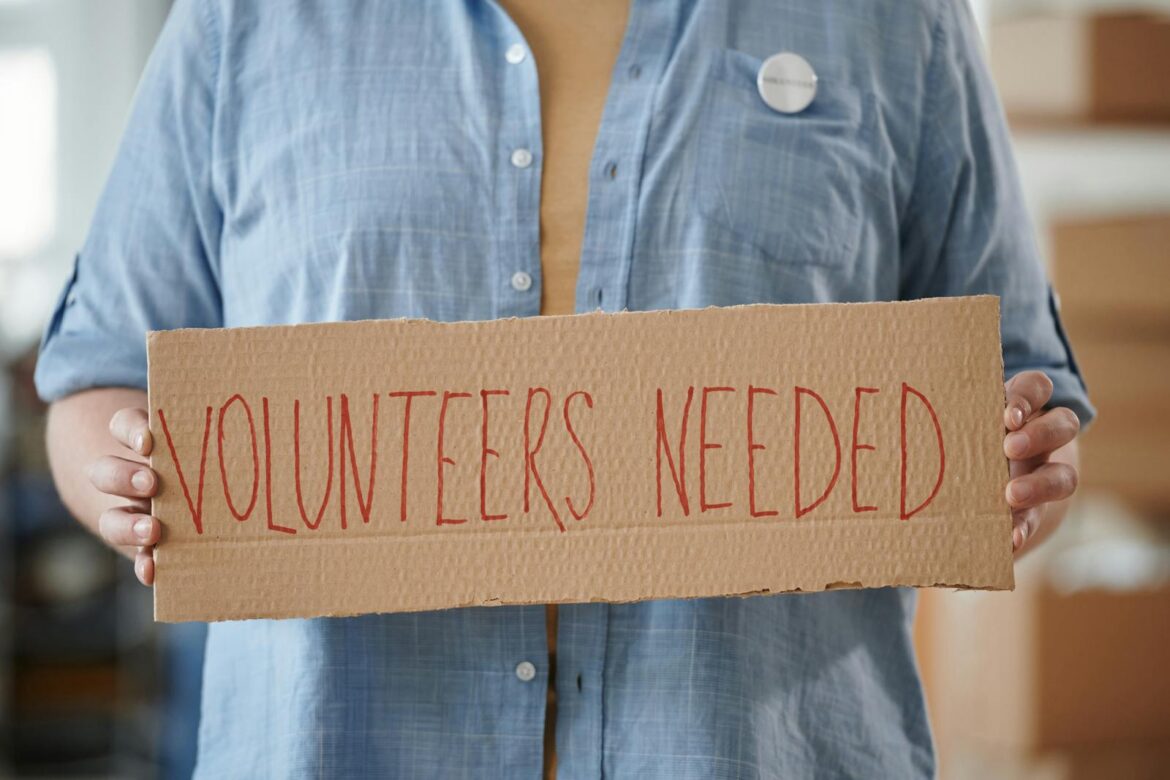
We are currently seeking social Media Managers, graphic Makers, and video editors. Preference will be to persons who could fill all 3 roles in one, but separate positions are also possible. The following are the job descriptions. Time involved in volunteering is roughly 5-10 hours per week, depending on your schedule. We are flexible. More info:

  • Canva Premium will be provided for graphics.
  • Wondershare Filmora Pro will also be provided for video editing.
  • We have a social media manager (Radaar) which allows for posts to automatically be posted to multiple sources at once.

Social Media Managers

  • Add posts to our social media planner (Radaar)
  • Create posts to web pages, campaigns, etc.

Graphic Makers

  • Create graphics for volunteer seeking, promoting programs, and foundation goals. Please note that graphics can be made in Canva and directly through our social media manager.
  • Add captions and hashtags and post.

Video Editors

  • Take clips of previously created videos, add captions/intros/etc, and then cut and export them in multiple sizes/formats (tiktok, instagram, youtube, etc).
  • Add captions and hashtags and post.

Please note that as we do have a senior Graphic Designer/Video editor on staff that we will be able to provide letters if you require an official internship through a school program.


APPLY HERE:

Volunteer Application


May 13, 2024 0 comments
0 FacebookTwitterPinterestEmail
2562406
AwarenessMisophonia Horror Stories

Misophonia Horror Story #2: MIL and FIL Just Don’t Understand

by Sensory Diversity May 12, 2024
written by Sensory Diversity

MIL and FIL Just Don’t Understand

Luckily my husband has always been supportive of my misophonia. Even before we were married, he was an incredibly supportive, kind, and generous man. This does not mean he has always liked dealing with my misophonia, or that it hasn’t been hard to deal with—but, he has tried his best, nonetheless.

There have been endless couple’s negotiations through our 5+ years together. Many of them have included sleeping separately, not going to high-trigger places, and having shut doors when there will be triggers present. These are all things that seem simple on one hand yet impact our daily lives. Luckily chewing isn’t a main trigger—but we’ve relied on softer foods during some shows to cut the tension.

My problem with misophonia does not come from my husband at all, but from his mother and father who are painfully ignorant to the pain misophonia causes. According to his family I am selfish and keeping him away from them, yet they don’t invite us to events because my misophonia is “inconvenient”. I have tried over the years to share resources, to be very polite and kind asking for accommodations – and yet the end result has been the same, “this cranky mean witch has stolen our son away”. It has been incredibly painful to realize that no matter how hard I try this condition will never be recognized by some people. They are not the first family members who have treated me this way, but the others were on my own side and I was fine cutting them off.

The blessing here is that my husband does not care what they think and happily supports me through all of it, yet I am so sad that this important relationship in my life has been disintegrated because I am unable to attend social events in the way that people are “supposed to”. Sometimes I wonder if the misophonia is the problem at all – or if nobody would be good enough for her baby boy! I hope this reminder serves to highlight that romantic relationships can have far more complex outreaches than simply between your partner and you!

May 12, 2024 0 comments
0 FacebookTwitterPinterestEmail
Newer Posts
Older Posts

Sensory Diversity is the recognition that every individual perceives, filters, and responds to the world in a unique way. While neurodiversity celebrates the different ways we think, sensory diversity focuses on the gateway to those thoughts: our senses.

Social media infographics and posts are not a reflection of the views of the site owner or individual site authors. These posts come from a variety of sources and reflect numerous viewpoints through the sensory and neurodiversity community.

Recent Posts

  • Sensory Accessibility Suggestions for World of Warcraft
  • When It Isn’t ADHD or Autism: The Lost Tribe of Neurodivergence
  • What It’s Like Living With Misophonia
  • How Misophonia Actually Feels for Sufferers
  • What is Sensory Dysregulation?

Recent Comments

  1. Lilian on Misokinesia
  2. admin on Misokinesia
  3. Dense Caldwell on Misokinesia

Product links may be affiliate links. This site makes a small commission off these links.

  • Facebook
  • Instagram
  • Linkedin
  • Tumblr

@2021 - All Right Reserved. Designed and Developed by PenciDesign


Back To Top
Sensory Diversity
  • Home
  • Blog
  • Neurodivergence
    • What is Autism?
    • What is ADHD?
    • What is Sensory Integration / Sensory Processing Disorder?
    • What is Misophonia?
    • What is Misokinesia?
  • Sensory Lifestyle
  • Sensory DIY

Shopping Cart

Close

No products in the cart.

Close