What It’s Like Living With Misophonia
This article was originally published on HuffPost in 2016, I am republishing it to show my raw feelings 10 years ago. For those that don’t know, Misophonia is (most-likely) a

This article was originally published on HuffPost in 2016, I am republishing it to show my raw feelings 10 years ago. For those that don’t know, Misophonia is (most-likely) a

Misophonia, often described as an extreme aversion to specific sounds (such as chewing, tapping, or breathing), is a recognized neurological condition that causes intense emotional and physiological distress. For those

By Molly Gracey Imagine sitting in a café when someone nearby coughs, just a soft throat-clear, barely noticed by others. For James, 29, that small sound can feel like a

Suicide is a difficult subject to discuss for those experiencing suicidal thoughts, their families, and the people in their lives. Misophonia is believed to be a neurophysiological condition that leads
The Alarming Link to Suicide Risk Recent studies have shed light on the severe psychological toll misophonia can take. A peer-reviewed study by Simner and Rinaldi (2023) examined a large
Coping with misophonia at school is a conversation that comes up often for me with clients. There are numerous triggers present in a classroom at any given time. These can

Urgent Accessibility Concerns Regarding Spinning Cursors and Motion-Based UI Elements in Apple Operating Systems To Whom It May Concern, I am writing to formally raise concerns regarding the accessibility of
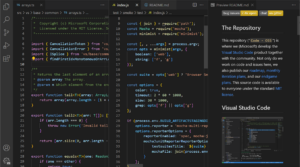
The Blinking Cursor: An Overlooked Accessibility Barrier in Software Development For most software developers, the blinking cursor in code editors and Integrated Development Environments (IDEs) is an expected, even unnoticed,

Misophonia Definition: Misophonia is a condition where specific sounds trigger intense emotional reactions, such as anger, anxiety, or disgust. Characteristics: Trigger sounds often include repetitive noises like chewing, breathing, tapping,

While speaking in confidence with me, many individuals with misophonia have expressed their horrific experiences with exposure therapy in research or clinical environments. Parents of children with misophonia have reached