Sensory Diversity
  • Home
  • Blog
  • Neurodivergence
    • What is Autism?
    • What is ADHD?
    • What is Sensory Integration / Sensory Processing Disorder?
    • What is Misophonia?
    • What is Misokinesia?
  • Sensory Lifestyle
  • Sensory DIY
  • 0
pexels photo 5163430
Coping

The Deep Emotional Trenches of Misophonia and Lawnmowers

by Sensory Diversity August 27, 2023
written by Sensory Diversity

Lately I’m having a hard time accepting Misophonia. There has been an onslaught of triggers during the summer months. This is made worse by living in army housing, where mowing the lawn is not only mandatory, but not complying is penalized by fines and the army itself getting involved. On the weekends, soldiers mow their lawns, and during the week, large commercial lawnmowers rattle so loudly that the windows shake.

It’s worse because I never wanted to live here. I knew this would be a problem and I resisted the idea of army housing entirely. And then covid happened, and suddenly we were jumping in head over heels and moving in together. I don’t regret that or my subsequent marriage… but man I hate living here.

There’s also nothing that can be done for the sound of lawnmowers. Even noise cancelling headphones don’t remove the frequency of lawnmowers entirely. Whitenoise and earplugs are useless against their drone—and I must say that at this point I’m beyond exhausted.

I even tried contacting the housing association to see if they could get me the schedule so that I could reliably flee from the main trigger, the commercial mowers. While they were sympathic, they unfortunately do not have access to the schedule of the mowers as they are subcontractors.

I also feel a bit guilty for hating where I live so much when the global housing crisis continues to rise. I’m fortunate to have a safe home to live in, and I know that, but I still cannot reconcile with the emotional turmoil I feel every time I hear the lawnmowers.

It doesn’t help that this has been some of the worst months for me that I’ve had in years. I’d rank it as the second worse year in my life—and that really is something I do not say lightly. For now, all I can do is try my best to cope. I’m delighted that I live in a cold area in Canada where in a few months the grass will be dead and covered in snow, my ears protected by a cold blanket.

On that note… I should go mow the lawn (no triggers if I do it myself). Funny enough, the only sound I’ve found loud enough to cover the frequency of a lawnmower… is the loud sound of being right next to the lawnmower. Go figure.
August 27, 2023 0 comments
1 FacebookTwitterPinterestEmail
pexels photo 8913598
Coping

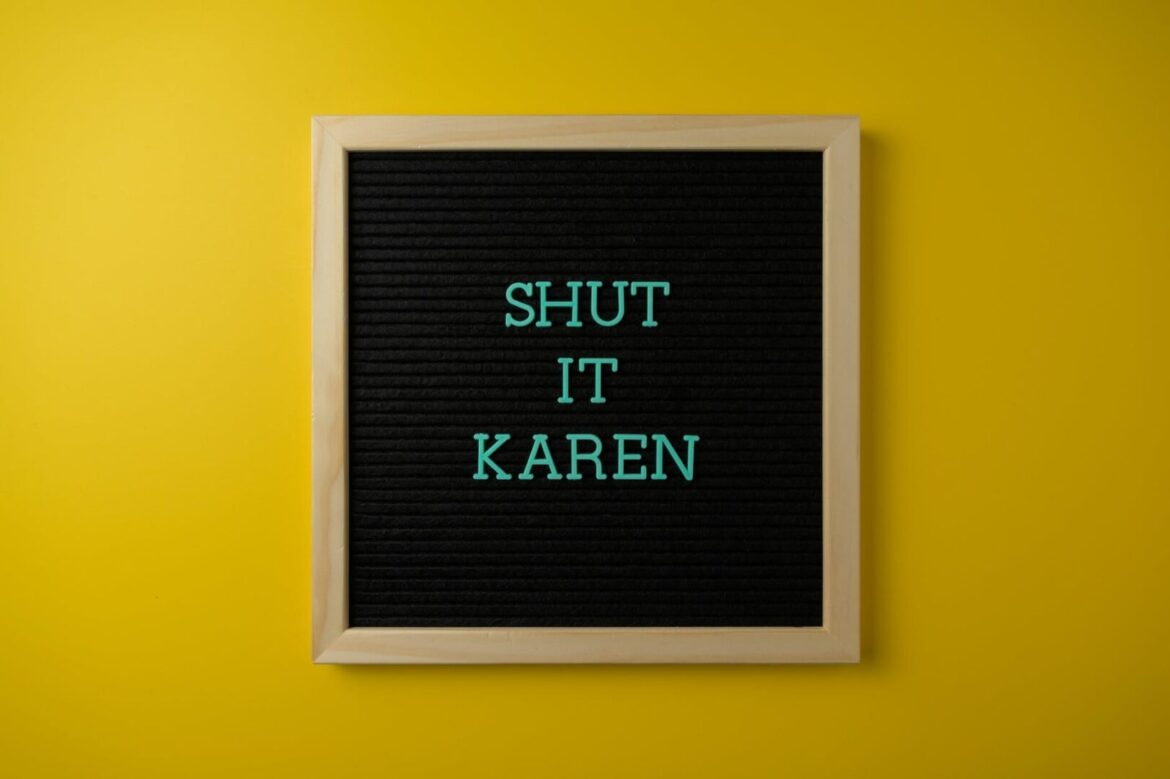
How to Ask People to Stop Triggering You Without Being a “Karen”

by Sensory Diversity August 10, 2023
written by Sensory Diversity

The word Karen is one that haunts my nightmares. As a person with misophonia I am constantly uncomfortable and feeling like the world is against me. I don’t want to feel this way, but it’s a fact that many of the sounds that trigger misophonia and the visuals that trigger misokinesia, are ones that are made by other people or by machinery used by people. Some of these include lawnmowers, loud base music, rattling car engines and exhausts, whistling, among others. I’m not mentioning chewing or sniffling here because these are sounds that I genuinely think we can’t even bring up to strangers since they are necessary to life.

I have politely asked people in public to stop whistling. My script (which isn’t really a script but an in the moment thing, is usually something like this).

Me: Excuse me, I am so sorry to ask, I have a hearing condition and I was wondering if you could please stop whistling? Again, I am so sorry to ask.

Yes, the Canadian in me says sorry twice. I hate inconveniencing people in general so asking them to change their actions to suit me is something I genuinely don’t want to do. Yet, by asking politely, I have noticed that a lot of the time people are happy to adjust. I will say that sometimes I feel far too aggravated and dysregulation to ask a person to stop, so the avoidance and resentment of my fellow human beings starts to come into play.

I think the key to not being a “KAREN” is to ensure that you are being polite and mindful of the other person, acknowledging that what they’re doing is not wrong and that you are not entitled to their compliance, yet asking in a way that is kind and polite. If the person does not stop the behavior, unfortunately there is very little that can be done, so hopefully you don’t have to be around them too often. UNLESS this is somebody who you have to be around every day (such as a colleague), then it would be reasonable to escalate the matter in my opinion, especially since (and only after) you tried to calmly and politely address the subject.

This week I have been dealing with loud contractors outside of my home playing base music loud enough it can be heard inside my house.

Today I did two things, and both of them have me wondering if I did the right thing. One is that I emailed the army housing board as I live in army housing—think of them as an HOA with more power. I emailed politely asking if they could ask the contractors to please keep their music down. I was not rude, nor demanding. However, I also wrote a note that was short and polite directly to the contractors about the noise in case they weren’t aware it was harming residents. I posted it on the door of the job site. While I could have talked to the contractors directly, as I actually have in the past (different ones), I was feeling far too dysregulated and worried that I would be rude about it.

Writing a note may seem passive aggressive, but it is a way of making your position and voice known. Does that make me a Karen? I personally don’t think so since self advocacy is an important part of this terrible disorder. The key difference between self-advocacy and being a Karen is not to be rude or demanding, yet be firm in your requests.

August 10, 2023 0 comments
0 FacebookTwitterPinterestEmail
t809jj6r9ka
Awareness

Is Misophonia the same as Misokinesia?

by Sensory Diversity August 7, 2023
written by Sensory Diversity

One question I am asked now and then is “how to visual triggers relate to Misophonia?” and while that’s a great question, and one I wish I knew the answer to, it’s unfortunately one that we do not know. In 2014, Schröder proposed the term misokinesia for visual triggers that were present in patients that had Misophonia. This term was not meant to coin a new disorder, but more to explain a phenomenon that was not encapsulated by the disorder as it was known at the time.

We do not yet know if all persons with Misophonia also have misokinesia (ie. they are the same disorder), or if some persons with aversive reactions to sound (Misophonia) do not have an aversion to visuals (Misokinesia). It is possible that these aversions happen on a spectrum and are different in each clinical case. This is something that has not yet been researched.

At this time, however, what I can say is that many in the community (myself included) have both visual and auditory triggers that manifest with a similar fight-flight-freeze reaction. For those that do have misokinesia, there is little difference between the nature of the trigger after the outset. Our fight flight systems are engaged, we feel discomfort, sometimes pain, and then negative emotional effects.

The name “Misophonia” is not the greatest anyways, since we do not “hate” sounds (or visuals), but are merely experiencing aversive reactions to the way our brains are processing these stimuli as a threat. Yet, this is the name that the popular press and research have clung to and landed upon, so we must accept it for now. In the meantime, it is important to realize that much of the knowledge that we have on both auditory and visual triggers are in the beginning stages of discovery, and nothing is set in stone.

Reference

Schröder, A., van Diepen, R., Mazaheri, A., Petropoulos-Petalas, D., Soto de Arnesti, V., Vulink, N., & Denys, D. (2014). Diminished N1 auditory evoked potentials to oddball stimuli in misophonia patients. Frontiers in Behavioral Neuroscience, 8(123). doi:10.3389/fnbeh.2014.00123

August 7, 2023 0 comments
0 FacebookTwitterPinterestEmail
4085626
Coping

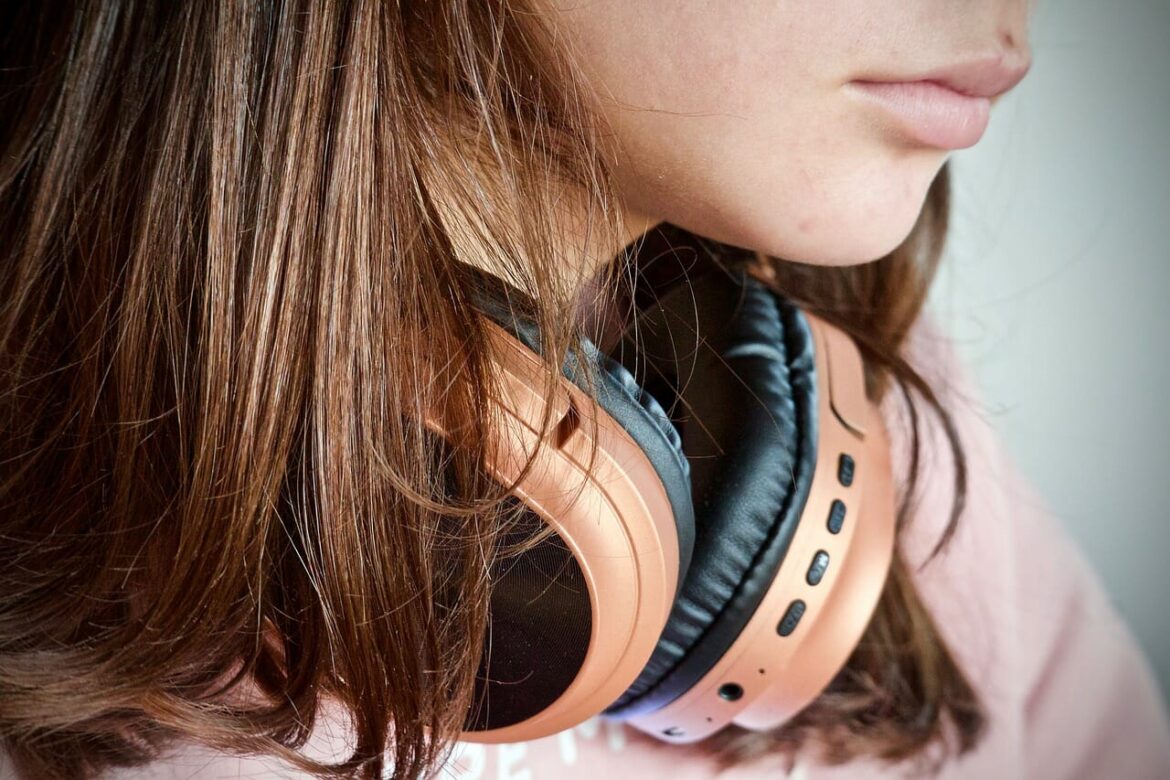
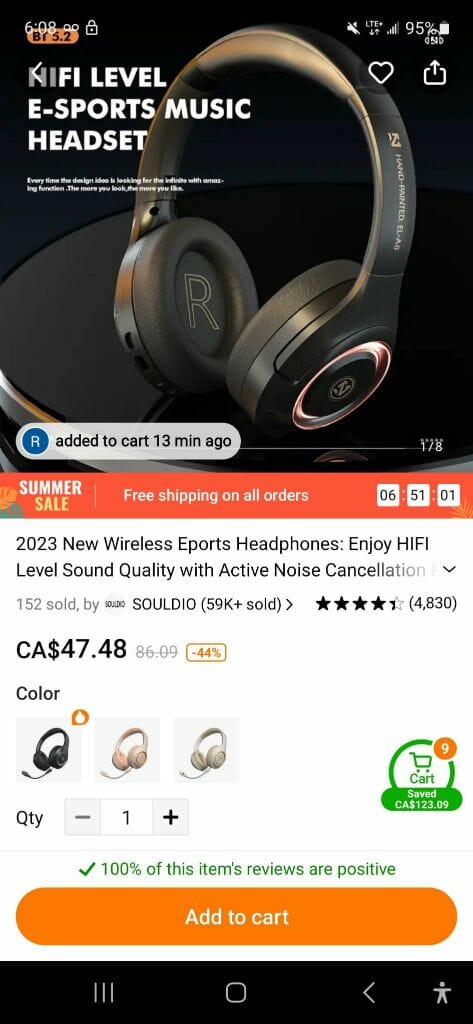
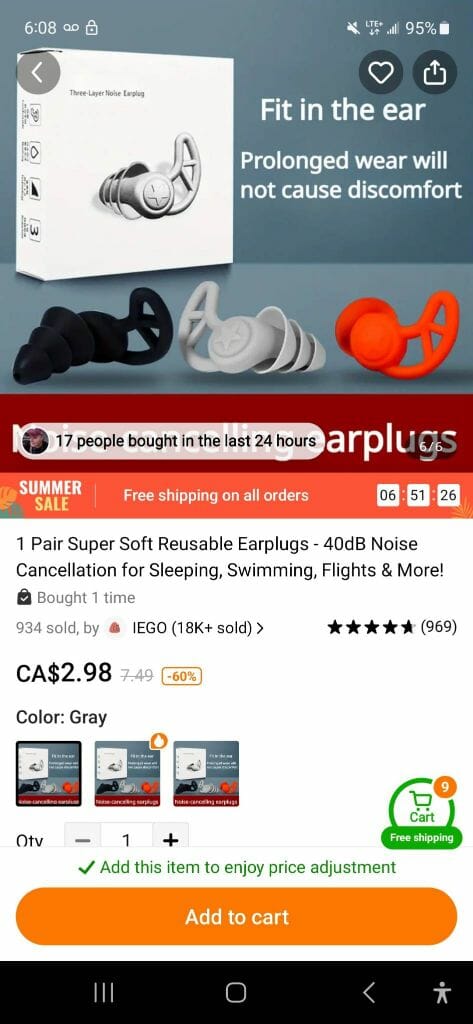
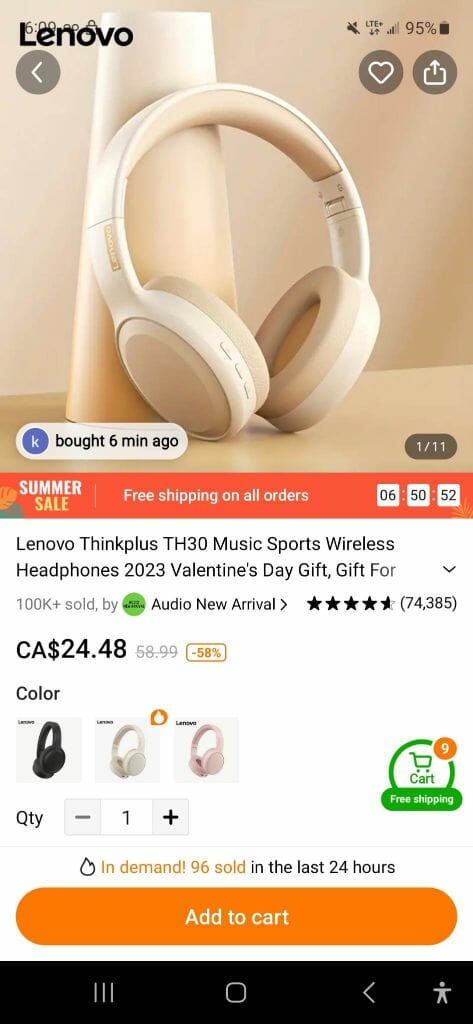
Are Cheap Earplugs and Headphones from China Worth it for Misophonia? Yes!

by Sensory Diversity July 26, 2023
written by Sensory Diversity

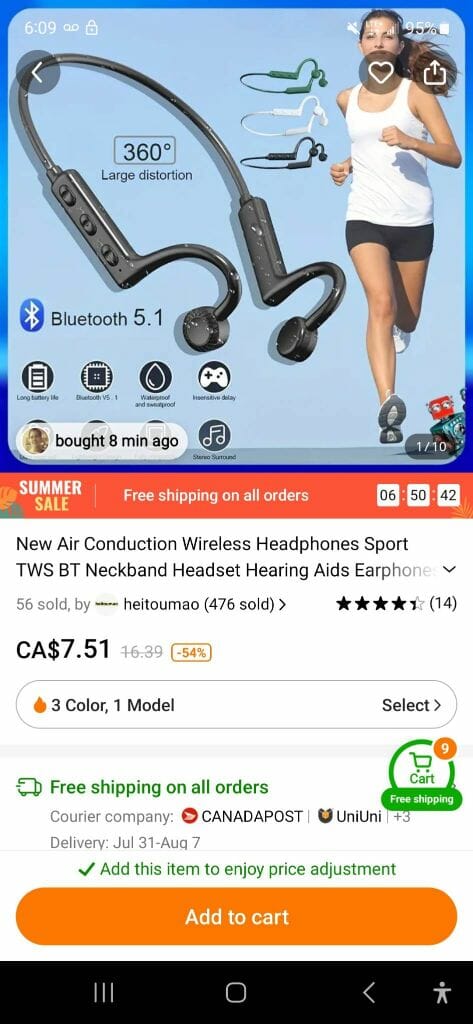
For those who haven’t heard of the widely popular new shopping app “Temu”, or for those who have, but were worried about buying cheaply made products from China, this article is for you. This article is not about the ethics of Temu, if you’re interested in that, you can read here. I’ve been shopping (and earning gifts free) on Temu for the past 5 months, and I’ve found that there are some great gems there for misophonia. Some of the products I have more experience with than others, but I have also found their reviews to be surprisingly legitimate.

I expected the quality of Temu to be similar to that of Wish and AliExpress, which in many ways it was, but what surprised me more was that when the veil was lifted, many of the products being sold directly on Temu were the same products I was paying 2-3x as much for on Amazon! When I really went down the rabbit-hole, I realized that Amazon charges its retailers a hefty sum to be on the site, and thus, Temu was appealing to manufacturers to cut out the middle-man for a global market.

One benefit I’ve found for Temu is that some companies like Logitech (the Asian variant), and Lenovo, are selling their legitimate products on Temu. This is great for people with misophonia who’d like a deal on good products. There are also plenty of opportunities on Temu to play games and win these items for free- but these can take up to 2 months to win.

Some of the best products I’ve found on Temu

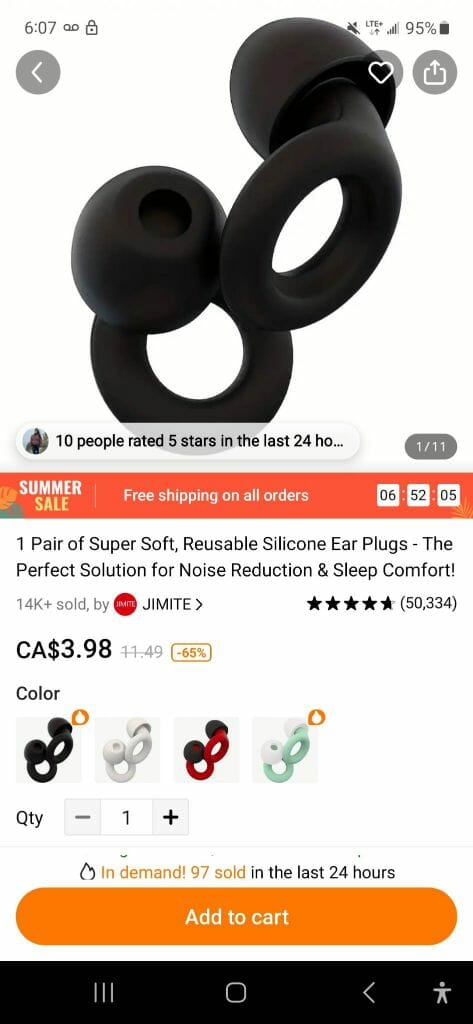
Temu has their own “off-brand” version of Loop, which if you like the style, they aren’t really different at all, and should do the same job. Personally, I don’t love Loop, but I’m glad to see a cheaper alternative to what I feel are vastly overpriced earplugs.

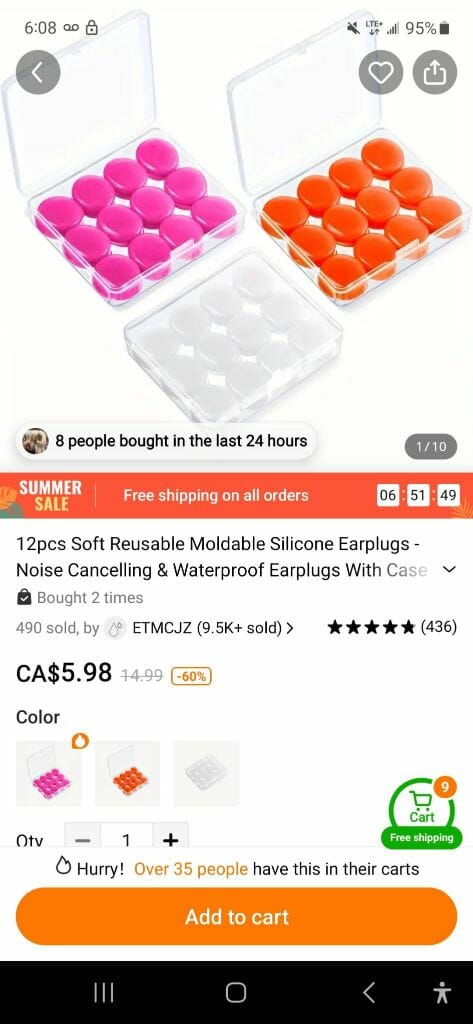
I also LOVE their silicone earplugs. I’ve found 0 difference in them and the drug store ones, except the fact they are HALF the price. For something I buy a lot, this has been an amazing find. At this point pretty much everything I’ve bought has worked wonderfully. The few products I did buy that I didn’t like, I got refunds on.

Search for the products and buy them here.

If a product isn’t up to your standards, Temu offers free returns… and sometimes lets you keep the item and be refunded!

This is the part I felt was most surprising. Temu has a generous return policy- the first return from all orders is free. If you want to send back more than one item from an order, just send them together. However, I’ve found that most of the time, Temu just tells you to keep the item and donate it or toss it (if it’s broken).

Sign up for TEMU here and get a coupon bundle and discount

This article is not a paid review, however, clicking links to sites may generate a small fee for Misophonia International, which is then used to cover web hosting costs and other business expenses.

July 26, 2023 0 comments
0 FacebookTwitterPinterestEmail
pexels photo 1106468
Research

The Problem of Ego in Misophonia Research

by Sensory Diversity July 6, 2023
written by Sensory Diversity

Almost every researcher on the planet would like to stand up and say that they care more about research than they do about their own ego and their own perspective of their research. I would argue that every single one of them, even the most noble, and most ethical among them, are wrong. Ego is central to the human experience. We appreciate our work because we believe in it, and when you spend years, and often decades, in a field, you are bound to have grown emotionally attached to this work. This becomes a problem when egos get in the way of new research, but more insidiously, of researchers who omit other studies and researchers because by speaking of their peers more, their peers gain recognition.

Grants and funding are central in the research world. Notoriety and publishing credits all go toward your ability to generate funds. With this in mind, a researcher may be cautious at reaching out to a fellow expert. If that expert has more papers than them than their name on this study further bolsters the image of their competition. In a perfect world there would be no competition, only good ideas, and experts working together to further the research and understanding of misophonia. And yet, we do not live in a perfect world, and probably never will.

So-what can be done about this? It’s important that researchers are aware of other studies and are not omitting citations or perspectives on their work that paints a fuller picture of disorders, and yet, we know this happens every day across all scientific disciplines. In some cases, this may not even be an implicit bias, but a more stringent view which does not allow for reflection on cross-disciplinary studies (I’m looking at you, behaviorally focused or cognitively focused groups). I’m also not attacking one particular researcher. It is a grueling field to finish a bachelor’s degree, then master’s degree, and then an additional give years of doctoral study only to have to fight tooth and nail for a scrap of funding for your studies. At this point, I am sure that only gluttons for punishment are researchers because the field is so unkind and unforgiving to its dedicated members.

I think a lot of the problem lies with how research is funded at a policy level. Who is funding the research? Are they looking at the bigger picture of researchers? Or, is funding based on some sort of popularity contest? Guidelines for funding research are spotty at best, at worst they are a popularity contest.

A commitment to scientific study must come from both the funders, and the researchers, and the community that is impacted by this research through advocacy.

This commitment is one that must be ongoing.

July 6, 2023 0 comments
0 FacebookTwitterPinterestEmail
what would you trade the pain for
Coping

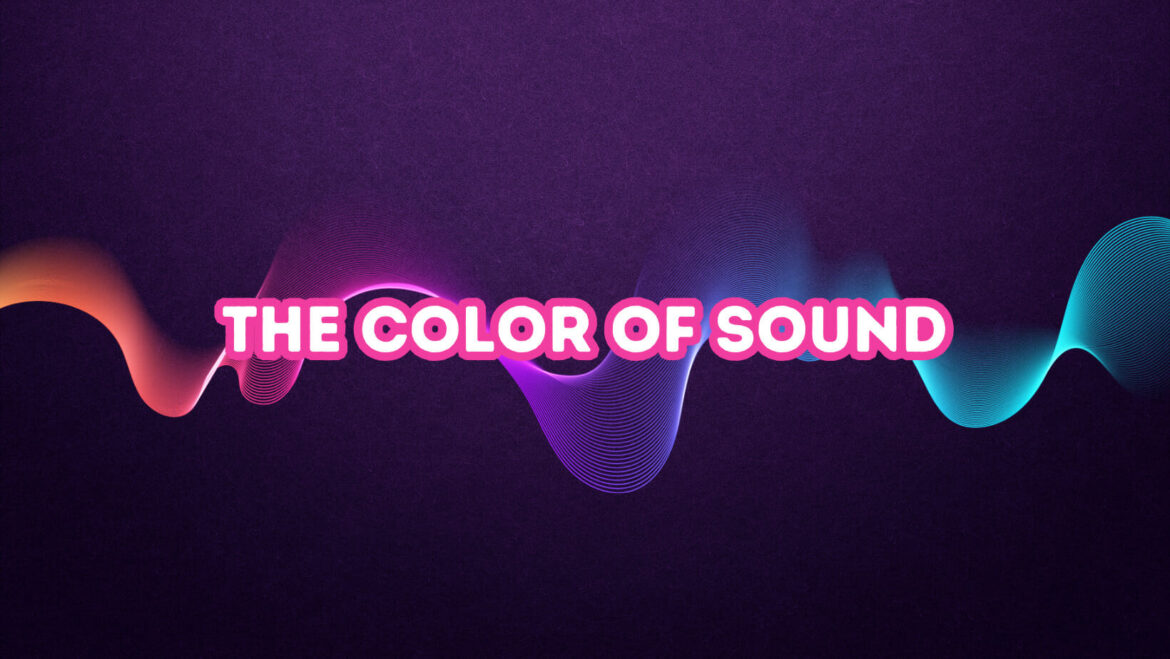
What is Each Color Noise? White Noise, Pink Noise, Brown, and What Helps Misophonia?

by Sensory Diversity June 8, 2023
written by Sensory Diversity

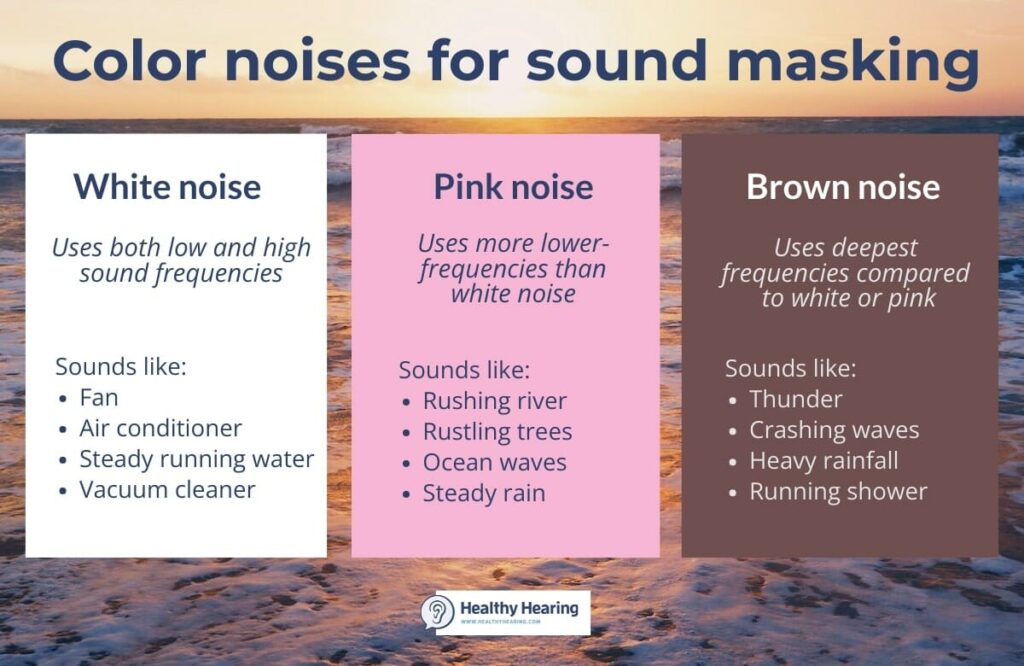
The below image is a general overview of some types of noises. It’s important to first note that there is no research on sounds for misophonia, and why each sounds

According to Healthy Hearing, “Sound is measured in decibels or dB. Any noise above 70 dB for an extended period can damage your hearing and lead to noise-induced hearing loss. A 2022 study suggests that adults can comfortably listen to white noise at 45 dB in an office space (about the same volume level of conversation). “

Since there’s no actual research on the noises of misophonia, we don’t really know enough to say which noise will be most beneficial. I personally prefer a pink noise, but others might do better with brown or white. The research on sound masking is an ever-developing field, and there’s not a lot of research in general, and none to date on misophonia. The most important part of these sound masking types is that you personally feel calmed and soothed by it. You can even use a combination at different times and find what works for you specifically.

I personally like to combine white noise with ear plugs. I find that the combination of both blocks most triggers, whilst also gives me protection from the white noise being too loud and damaging my ears. Noise-cancelling headphones paired with earplugs can work in public. At home, I play pink noise through my speakers in the room as I find wearing earplugs and headphones long term can give me a headache.

While you can purchase devices specifically to play these sounds, Spotify, Amazon Music, and other music stores often have files you can play on your at home speakers, without needing additional equipment. I have personally been using the file below for YEARS, and have no plans on switching any time soon (it is also on Apple Music).

References

For this article, I’m going to be heavily sourcing the article from Mastered Blog, which goes through the noises in great detail.

Image source: https://www.healthyhearing.com/report/53430-Noise-colors-white-pink-brown-tinnitus-hearing

June 8, 2023 0 comments
0 FacebookTwitterPinterestEmail
5336964
Coping

Should you go to a therapist for misophonia?

by Sensory Diversity March 30, 2023
written by Sensory Diversity

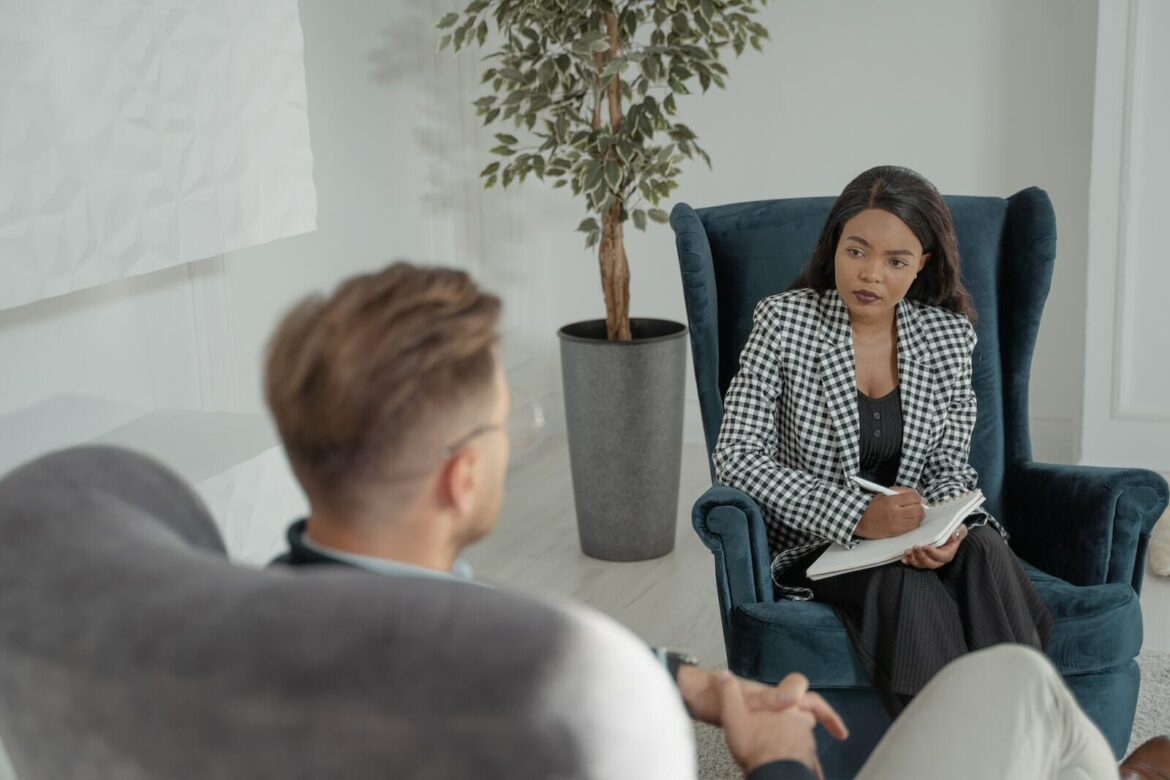
To start off this article as a Master’s in Counselling student, I’m going to get it our there right away that to be honest, you do not have to go to therapy. Not for misophonia, or for something else. Therapy is a personal endeavor, and this should be a choice whether or not you want to go to therapy. To be honest, since there’s no treatment for misophonia, you’re better off going to no therapy than to go to a bad therapist that doesn’t know what they’re talking about.

Today I made a video about this topic, and while you don’t have to watch it (it is similar), I did kind of go into a rant on the topic. This article is not a word for word copy of the video so feel free to watch and read.

What therapists can do for misophonia varies based on the clinician and the modalities that they work from. If the clinician is purely CBT (cognitive behavioral therapy) based and wants to do ERP (exposure response therapy), then what I would suggest is to not pay them a dime and to RUN.

Therapists, however, can help you deal with uncomfortable emotions and help you with learning psychoeducation and sensory regulation (two things we talk about a lot here on this website). Depending on the type of practitioner you are seeing, you might have somebody looking to give “diagnosis” or “treatment” (such as a psychiatrist, MD, or psychologist), or you might have a counsellor who is more focused on the emotions and symptoms and helping you find coping skills that work for you.

With all that said, the answer of if you should go to therapy for misophonia lies within you… do you feel like you would benefit from a professional to talk to? Maybe you want sensory strategies? If that’s the case, I suggest looking for occupational therapists or counsellors who have a sensory approach. Always remember that therapy is a choice, and you do not have to stay with a therapist who makes you uncomfortable.

March 30, 2023 0 comments
0 FacebookTwitterPinterestEmail
pexels photo 3807631
Coping

The Common Cold is Deadly With Misophonia

by Sensory Diversity December 29, 2022
written by Sensory Diversity

My husband and I both have colds. I’ve been sicker than he is, and yet, I’ve been suffering much more. The difference between of us of course is that I have misophonia, and he’s fairly oblivious to every sound that he makes. I’ve been spending this cold hiding in my white noise, only scurrying near him when absolutely necessary. I imagine he’s lonely, and I did take some time to play Pokémon with him, and even that was too long in the noise. I must say, having a cold (or anything really wrong) makes the misophonia a far bit sharper. I’m tired, and I’m suffering through the misophonia. Sniffles are abundant. I’m grateful, however, because I know that colds don’t last forever and my husband is a kind man who understands the torment and is fine with me burying myself away. There’s no cure for a cold other than drinking water, sleeping, and ensuring that you hide away and don’t accidentally lunge a TV remote at somebody. I would never do this. I promise. Mostly.

For all my fellow misophones with sick family members, this is mostly a reminder that I’m here with you. We can suffer through this together. Drink lots of fluids, and give your family LOTS of space (so much space you can’t hear them). Also, if you’re not a ray of sunshine who can’t fake it right now, that’s okay too. That’s why we have earplugs, white noise, and places to hide away in…

Get Well Soon!

December 29, 2022 0 comments
1 FacebookTwitterPinterestEmail
a psychologist talking to her patient stockpack pexels scaled
CopingDr. Brout

Why I Turned Against Behavior Modification

by Sensory Diversity July 16, 2022
written by Sensory Diversity

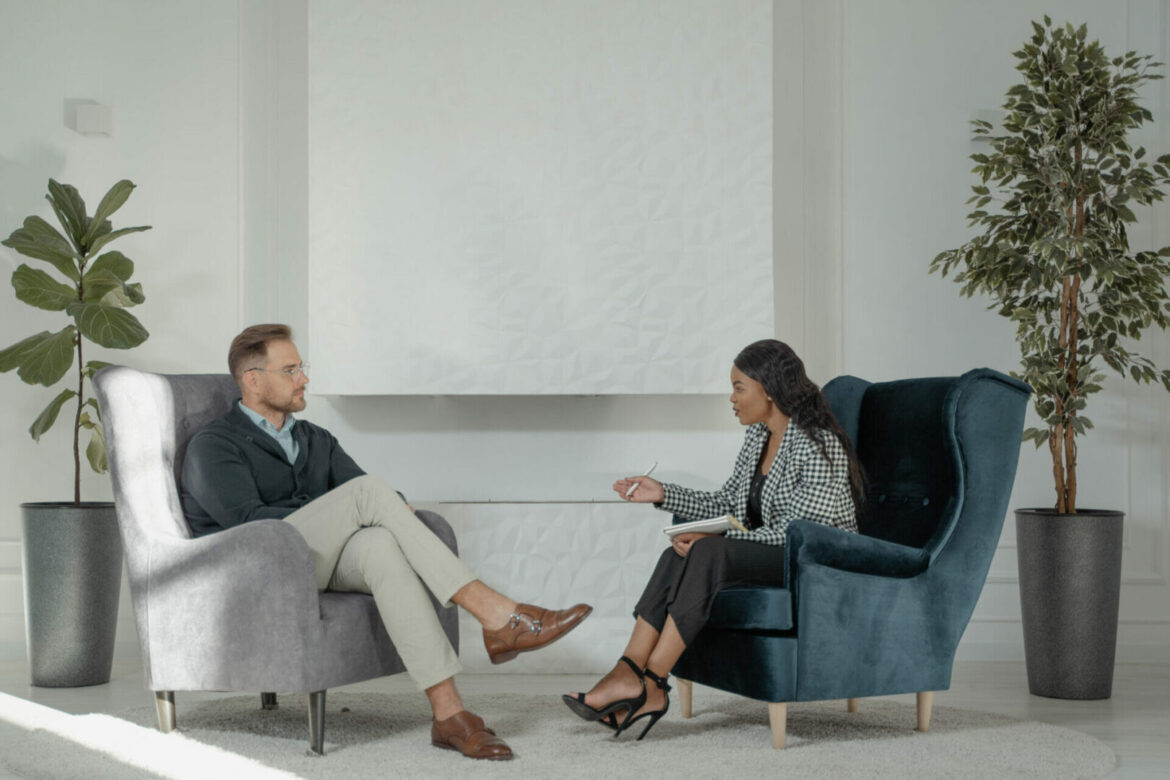
Almost every psychologist I saw to help my own daughter suggested I that I institute a behavior modification program at home to change her “behavior.” As a psychology intern working in a school, I was very familiar with behavior modification programs, and I had a feeling from the beginning that this was not going to work. I knew because of how my own reactivity to sounds worked.

A behavior modification plan is based on the principle that a reward will bring about or increase a desired behavior, and/or that a loss of a privilege associated with an undesired behavior will decrease or extinguish it. Another common strategy used to extinguish behavior is to ignore it.

Can I just say… DISASTER.

Behavior modification plans by nature imply that the child is in control and has at least some ability to direct her own behavior, and will do so if the reward is captivating enough. Eventually, according to this idea, the “reward” eventually becomes intrinsic. That is, a child will first modify his behavior in order to receive the designated reward (e.g. a new toy). However, eventually the child exhibits the desired behavior simply because he or she is “rewarded” by the positive reinforcement of others and due to the feelings of self-esteem and self-efficacy he has developed in modifying his or her behavior.

There is nothing worse that setting your child up for failure. Ultimately that is exactly what happened. My child wanted the rewards we were offering up very badly. However a young child who cannot self-soothe because auditory stimuli is setting off their nervous system cannot possibly succeed in this method.

I wondered how it was possible that psychologists didn’t know this. What kind of field had a gotten myself into? I often wondered this as I looked at all the sticker-charts posted around the elementary school where I was interning. This was working for these children? I asked teachers in the school and many of them swore by behavior modification. Am I a terrible mother? Should I even be a psychologist? Something in my gut told me that there was a big piece missing in my training.

Simply put, when dealing with a disorder that is driven by incoming stimuli (auditory specifically), therapies that rely solely on techniques that reflect a “mind over matter” approach are counter-productive. Sensation is a physiological experience and while it involves a variety of phenomena, it’s not a top/down process that starts with cognition or behavior.

July 16, 2022 0 comments
0 FacebookTwitterPinterestEmail
baby on gray knit hooded clothes lying on carpet stockpack pexels scaled
CopingParents

When Your Baby Triggers You

by Sensory Diversity July 11, 2022
written by Sensory Diversity

Dear readers, my son is 9 months and thriving! His pediatrician says everything is on track for him and he’s at a healthy weight. We are struggling with a couple things, though. He is teething, which means less sleep for all of us, and waking up in the middle of the night; and, my neurological issue by the name of misophonia is making it difficult to be the mom I want to be.

I’ve often heard people in misophonia Facebook groups say that neither babies nor animals trigger them. It’s because they can’t help it, and makes it easy to just ignore. For me, this is not the case.

When baby was just an infant, nothing he did triggered me–audially that is. I talk about textile issues in an earlier post. Now that he’s 9 months old, he’s started making sounds that send me into a rage. Allow me to be clear right now that I don’t harm my baby in any way when I am triggered.

Ever since he was about 5 months, he was teething. His front bottom two teeth came in, and now his top two are showing. He will grind them together and make other mouth sounds that I can’t stand. I won’t attempt to describe it. Feeding him is slightly difficult now too, as he will make loud gulping noises. Picking up leftover food grosses me out as well.

It’s all been very tiring. He is having trouble sleeping because of his teething. He wakes up in the middle of the night wanting comfort because his gums hurt, which messes up our sleep schedules and makes me grumpier and more prone to being triggered during the day.

He’s also learning to stand and gets mad because he can’t figure out how to lower himself down without falling. I’m trying my best to help him while also allowing him the opportunity to do it himself. He needs a lot more comfort from me and attention than normal. Independent play is harder for him than it usually was.

I find myself putting him in his crib and walking away to calm down a lot more often. Thankfully, he likes being in his crib and will entertain himself in there for a little while as I calm down.

If there’s anything I can’t relate to, it’s the phrase, “You’re going to miss this, cherish him while he’s little!” I do love my adorable little baby as he is but am excited to see him grow and learn and be able to communicate with me. And I know it will be hard when he develops his own ego, goes through his emotions and figures them out, and whatever else he’ll go through. But I’m looking forward to teaching him and letting him decide things on his own, within reason, until he’s an adult. I want to tell him about misophonia and what it is, and what he can do to help me, because right now he doesn’t know or understand, and I want so badly to just tell him.

I am trying to enjoy the little things as they happen. The milestones he reaches, his laughs, capturing memories on camera–I have over 500 pictures of and with him! Those, and my husband and family’s help, keep me going. I don’t know how I would have turned out as a mom without them.

July 11, 2022 0 comments
0 FacebookTwitterPinterestEmail
Newer Posts
Older Posts

Sensory Diversity is the recognition that every individual perceives, filters, and responds to the world in a unique way. While neurodiversity celebrates the different ways we think, sensory diversity focuses on the gateway to those thoughts: our senses.

Social media infographics and posts are not a reflection of the views of the site owner or individual site authors. These posts come from a variety of sources and reflect numerous viewpoints through the sensory and neurodiversity community.

Recent Posts

  • Sensory Accessibility Suggestions for World of Warcraft
  • When It Isn’t ADHD or Autism: The Lost Tribe of Neurodivergence
  • What It’s Like Living With Misophonia
  • How Misophonia Actually Feels for Sufferers
  • What is Sensory Dysregulation?

Recent Comments

  1. Lilian on Misokinesia
  2. admin on Misokinesia
  3. Dense Caldwell on Misokinesia

Product links may be affiliate links. This site makes a small commission off these links.

  • Facebook
  • Instagram
  • Linkedin
  • Tumblr

@2021 - All Right Reserved. Designed and Developed by PenciDesign


Back To Top
Sensory Diversity
  • Home
  • Blog
  • Neurodivergence
    • What is Autism?
    • What is ADHD?
    • What is Sensory Integration / Sensory Processing Disorder?
    • What is Misophonia?
    • What is Misokinesia?
  • Sensory Lifestyle
  • Sensory DIY

Shopping Cart

Close

No products in the cart.

Close