Someone attends a family gathering, finishes a day at work, returns from school, or spends several hours in a busy public place. Nothing dramatic appears to have happened. They may even have enjoyed themselves.
Then they go home and do not want to talk to anyone.
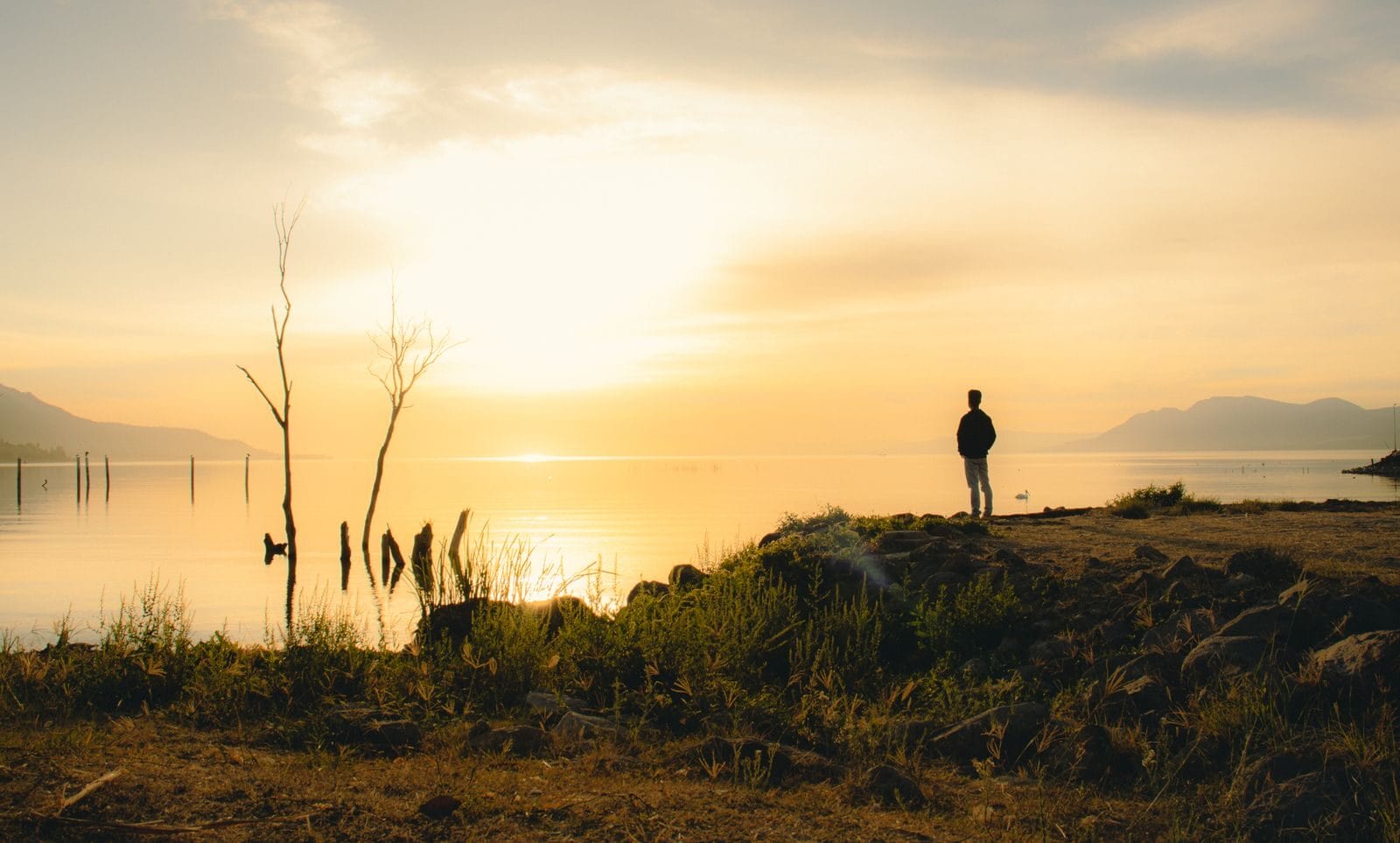
They close the bedroom door, put on headphones, sit in silence, engage with a familiar interest, or spend several hours alone before they feel ready for conversation again.
This can easily be interpreted as antisocial behavior, avoidance, rejection, or evidence that the person did not enjoy the event. For some autistic people, however, time alone can serve a different function: recovery from accumulated social, cognitive, and sensory demands.
Socializing Is Also a Sensory Experience
Social interaction does not happen separately from the sensory environment.
A restaurant conversation may involve overlapping voices, music, dishes clattering, food smells, bright lighting, people moving through peripheral vision, and the need to follow rapidly changing conversation. A workplace may involve phones, keyboards, meetings, fluorescent lighting, interruptions, and continual decisions about when and how to respond to other people.
Even a pleasant visit with friends can involve sustained attention to speech, body language, timing, environmental noise, physical proximity, and changes in routine.
For someone with significant sensory sensitivities, the effort involved can accumulate even when the social interaction itself is wanted and enjoyable.
Research Is Beginning to Examine Restorative Solitude Directly
A 2026 qualitative study specifically investigated why autistic adults spend time alone.
Researchers interviewed 16 autistic adults living in the United Kingdom and identified four broad themes in their accounts: reacting to social and sensory overwhelm, retreating from overwhelm, regulating and recovering, and eventually feeling ready to reconnect with other people.
Participants described quiet spaces, familiar activities, and intense interests as potentially helpful during this time.
The study is notable because it treats solitude as something that may have a purpose rather than assuming that time away from other people represents a social deficit.
However, it was a small qualitative study. Most participants were White and female, all lived in the United Kingdom, and all were able to participate in online interviews. The findings provide detailed lived-experience evidence but cannot tell us how common these patterns are across the entire autistic population.
Alone Time and Loneliness Are Not Opposites
One of the most important distinctions is between chosen solitude and unwanted social isolation.
A person can need time alone after socializing and still deeply value friendship, relationships, and community.
A mixed-methods study examining sensory differences and loneliness among autistic and non-autistic adults found precisely this tension. Autistic participants described both painful social disconnection and a need for restorative solitude after sensory or social overstimulation.
Those experiences can coexist.
Someone might feel lonely because they do not have enough meaningful relationships while also needing several quiet hours after spending time with the relationships they do have. The need to recover does not prove a lack of social motivation.
Enjoying an Event Does Not Mean It Was Effortless
People often assume that if someone enjoyed an activity, they should immediately be available for another activity afterwards.
Sensory and cognitive effort do not work that way.
A person may genuinely enjoy a concert while finding its volume and crowd physically exhausting. They may love spending time with family while needing silence afterward. They may enjoy their job while reaching the end of the workday with very little capacity for additional conversation.
Positive experience and high demand are not mutually exclusive.
This is similar to physical activity. Someone can enjoy hiking while still needing to rest afterward. The fact that the activity was voluntary and meaningful does not eliminate the energy it required.
What Does Recovery Time Look Like?
There is no universal autistic recovery routine.
Some people may want complete silence. Others prefer familiar music, television, a game, reading, crafting, pacing, or another focused interest. One person may want to lie in a dark room, while someone else recovers through movement.
Some people want physical distance but still communicate through text. Others may want very little communication of any kind for a period of time.
The length of recovery can also vary. A short break may be sufficient after a moderately demanding activity, while an unusually intense day may require much longer.
These differences are why “go relax” is not a particularly precise sensory strategy. What is restorative depends on what demands came before and what the individual finds regulating.
Recovery Time Should Not Become Another Social Obligation
Problems can arise when someone returns from a demanding environment and is immediately expected to explain themselves.
Questions such as “What’s wrong?”, “Why are you being quiet?”, or “Are you angry with me?” may create additional communication demands at exactly the point when the person is trying to reduce them.
For couples, families, roommates, or caregivers, it can be useful to establish expectations before this happens. Someone might communicate that after work, school, travel, or large gatherings, they usually need a period with fewer questions and less interaction before reconnecting.
This does not mean relationships should accommodate indefinite withdrawal without communication. Other people have needs too. The goal is to make recovery predictable enough that temporary solitude is not automatically interpreted as interpersonal rejection.
Solitude Is Not Always the Answer
Restorative alone time should not be romanticized either.
Withdrawal can also occur during depression, burnout, anxiety, physical illness, conflict, or significant mental-health deterioration. If a person’s pattern changes substantially, they stop engaging in relationships they previously valued, or isolation is causing distress or impairment, the issue may warrant closer attention.
Similarly, not every autistic person wants solitude after social interaction. Some regulate through connection, co-regulation, conversation, or being near trusted people.
Autism should never be used to assume that someone wants to be left alone.
Build Recovery Into the Schedule
If someone consistently needs recovery after certain activities, planning for it can be more effective than treating it as an unexpected failure of stamina.
That might mean avoiding back-to-back social events, leaving space after work before household demands begin, scheduling fewer obligations after travel, or ensuring that a quiet area is available after a high-stimulation activity.
The purpose is not to make life smaller. It is to recognize the full cost of participation.
If every demanding event is followed immediately by another demand, the person may spend much of their time operating without adequate recovery.
Needing to Recharge Does Not Mean Rejecting Other People
Emerging research is beginning to document something autistic people have described for years: time alone can serve an active regulatory function.
That finding should not be converted into another stereotype that autistic people prefer isolation. The same person may need strong relationships, meaningful community, and regular periods without social or sensory demands.
Those needs are not contradictory.
Sometimes stepping away is what makes reconnecting possible. Treating restorative solitude as a legitimate part of sensory and social recovery can make it easier for people to participate without having to choose between connection and the time they need to recover from it.