Sensory Diversity
  • Home
  • Blog
  • Neurodivergence
    • What is Autism?
    • What is ADHD?
    • What is Sensory Integration / Sensory Processing Disorder?
    • What is Misophonia?
    • What is Misokinesia?
  • Sensory Lifestyle
  • Sensory DIY
  • 0
pexels pixabay 461593 scaled
CopingHealthMental HealthPersonal StoriesPhotographyRelationships

Life’s Curve Balls and Challenges

by Sensory Diversity November 3, 2019
written by Sensory Diversity

What you’ll be reading is an account from one day, and an account from another day. Kind of like journal entries. I had started the first “entry” as a post for the site, but then I gave up after awhile. The second entry is sort of a continuation of that, but more of a plan of action. Misophonia, anxiety, and depression are discussed.

August 2019

Nothing makes my misophonia flare up more than stress and anxiety. Recently, life has pitched some curve balls, and while I’ve successfully dealt with some of them, there are other curve balls still hurtling in my direction that I’m in the process of figuring out. Some of these curve balls aren’t bad! It’s the idea of starting something out of my comfort zone that makes me uneasy.

I’m a freelance photographer. Recently, I was contacted by a woman asking me to shoot some wedding portraits, and then her ceremony afterwards. This is an amazing opportunity for me. We made plans, and now we just have to work out the details. I love photography, but this is the first time I’m shooting a wedding. That’s the curve ball. I am beyond nervous, but I hope to deliver quality photos.

I am also scheduled to have a vendor booth at an antique store showcasing my photography and taking some pictures with a backdrop for dirt cheap. Really nice lady, cute shop, but $100 a month for rent. Curve ball number two. I simply don’t make enough to cover that, plus groceries, plus bills, plus other expenses that may pop up. And I’m not sure I’ll get enough people to make $100 for another month of rent. Unless something miraculous happens, I’m only going to be there for a month to get as much exposure I can from it, and then say my goodbyes.

Additionally, some other personal life stuff is happening. I won’t get into it here. It’s one of the major curve balls I’ve been thrown. It’s something outside my comfort zone and will result in some serious growth, and hopefully a good future. This is good stuff I’m stressing over. I’m excited and nervous, and I look forward to what happens next.

Another curve ball is getting my driver’s license. At the age of 24, a lot of people might think I’m getting it late. It sure feels that way, since most of my friends got their license when they were much younger. I have been slowly overcoming my driving anxiety. It has gotten a lot better, but I’m not completely over it. I’m still stressing about going in for the behind the wheel test because last time I failed all three times, and I had my permit taken from me. So I started all over this year after about a two year hiatus. I’m determined to get my license so I can have a some more independence.

All of these things combined can, on some days, make my misophonia worse. A lot is happening in my life right now (in my opinion) and some days, I just break down and cry. I overthink about what people will think of me, especially my family; I doubt myself too much; I put myself down and almost convince myself that no one cares.

November 2, 2019

The wedding went well! The family liked their photos and I made a decent amount with them. I also learned that I need to fix a few things when it comes to photographing weddings. I won’t get into the details here, but it was a good learning experience. I am looking forward to implementing what I’ve learned,

The antique shop thing fell through. But hey, I think it was worth a shot. I was there for a month, got a few people, and then packed up. While I was there, my misophonia always acted up. There was always at least one person that triggered me and I had to wear wireless earbuds playing rain sounds to drown them out.

I’m planning a long visit to see my boyfriend as he recently moved and I haven’t seen him in awhile. I’m looking forward to it.

And yet, I am stressed.

I am anxious.

I am depressed.

I am/get angry.

I am frustrated.

I am afraid.

I can’t focus.

I have lost interest in a lot of things.

Falling asleep can be very difficult and getting up out of bed is a chore in and of itself.

Nothing feels right.

None of it is his fault. I just think I’m getting worse. I cycle through so many emotions throughout the day. I am hardly ever calm. When I am it’s only short moments.  I can’t enjoy anything without stressing about my misophonia, depression, or anxiety. I just want certain things to happen in my life already and I’m sure that’s part of why I feel the way I do. I can’t talk about the other parts. I’ll save that for therapy.

Yeah. After I visit my boyfriend, I will be seeking therapy and medication. Perhaps I will document it here or on Misophonia Weekly.

It’s something I should have done a long time ago, but I didn’t. Because I am stubborn, and anxiety holds me back from making that phone call to schedule the initial appointment, and I start thinking about all the things that could go wrong.

But then I think about my boyfriend. I don’t want to be a mess and make life harder for both of us. I want to be productive and useful and contribute to our lives. I want to marry the boy whose grown into a wonderful man, whom I had a crush on since I first met him, and I can’t be the best future wife I can be if I don’t take action.

I know, it’s cheesy. But if it’s for him, I want to try.

Thanks for reading.

November 3, 2019 0 comments
0 FacebookTwitterPinterestEmail
pexels marcus herzberg 1058276 scaled
Advocacy

Are Advertisers Enticing or Repelling Consumers?

by Sensory Diversity September 13, 2019
written by Sensory Diversity

Dear Advertisers,

I have always been a “brand loyal” consumer. Call me a snob, but I just do not buy generic or other brands just to save a few pennies. Despite what people think, you CAN taste a difference between Wonder bread and Butternut bread. The reason I can taste the difference may be a part of my Sensory Processing Disorder, I am not sure. With that being said, I would like to add that my children can tell a difference in bottled water. Water! A virtually tasteless beverage and they can tell if I buy a different brand, so there must be some truth to my statement. Lately, many commercials have caused me to rethink my brand loyalty and opt to buy substandard products because of their commercials.

I suffer from Misophonia, a debilitating audio processing condition which causes an immediate fight or flight response. Sufferers can be triggered by many different sounds; some more common triggers are mouth sounds, including (but not limited to) eating sounds, snapping, clicking, tapping, whistling, etc. In this article, I will be addressing just a couple of specific trigger sounds that seem to be quite prevalent in commercials. People with Misophonia can become irate, enraged, or even panicked when they hear their trigger sounds. Sometimes the sounds cause physical pain. Levels of the Misophonia reaction can vary greatly and can be quite extreme.

An Advertiser’s responsibility is to market the sale of a product or service. Their main goal is to create commercials which are attention-grabbing and memorable. However, lately, many marketing techniques that advertisers are using to gain attention are alienating consumers with sensory issues and may actually be driving customers away.

Duracell, a very popular brand of battery has released a commercial which shows a woman on a flight with noise-canceling headphones needing new batteries and a kid shoving chips in his mouth, aggressively chewing with his mouth open. If you suffer from Misophonia, you know the commercial I am talking about as it has been a huge topic of venting in support groups. Many Misophonia sufferers took the time to reach out to Duracell and voice their complaint/concerns with this commercial. I personally sent an email to their marketing department explaining the condition, and I included several of the comments from other sufferers from an online Misophonia support Group. Unfortunately, this commercial is still on the air and many of us have boycotted Duracell batteries. My brand loyalty has gone out the window. I would prefer to buy any other brand of battery even if they require more frequent replacement because of this commercial. The company does acknowledge the need for the noise-canceling headphones but with the way that their message is executed does not show a true understanding of why they are needed.

Colgate toothpaste: their commercial begins with an actor sitting in a movie theater chomping on ice. Are you kidding me? There isn’t even any warning to give viewers a chance to hit the mute button? The very first shot is the insufferable sound of ice crunching? The only thought that comes to my mind is that I hope Luke Wilson busts his teeth out crunching the ice and that I will never be buying Colgate toothpaste again!

Snyder’s Pretzels has a commercial depicting a conference call and one of the idiots on the call is crunching on pretzels without any consideration for everyone else on the phone. WHY?? What is the purpose of that? You can simply advertise that the pretzels are crunchy, we do not need to HEAR the crunch, believe me! The same applies to the many other chip/snack companies. Is it so difficult to omit the poorly mannered people masticating handfuls of chips or talking with food in their mouth? Triggers aside, this behavior is offensive! What a wonderful lesson for our children!

Let’s take a moment to talk about whistling. What the bloody hell is the purpose of someone whistling in a damn commercial? That is definitely another sound that sends most of us into an instant rage. Truth be told, I have been known to throw the remote control across the room when someone starts to whistle on the TV! Whistling is very irritating to people who do not have aversions to sound. Isn’t there a more creative way to get consumers’ attention?

Allow me to be perfectly clear, it is unrealistic to expect companies to create their promotions around Misophonia sufferers and that is not what we are asking them to do. However, there is truly no valid reason to blatantly emphasize crunching sounds or whistling or any other sounds that may assault our nervous system. Advertisers should be to be a little more sensitive to people with sensory processing deficiencies when creating commercials. The sounds of the person crunching chips not only contain audio triggers but visual triggers as well. This results in a very adverse reaction within the sufferer that goes far beyond annoyance. It causes both physical and emotional pain that does not easily recede. This request is not just for Misophonia sufferers but includes anyone who suffers from a sensory processing disorder as well as autism.

By using these intolerable tactics, you are achieving your goal of attention grabbing, you are leaving an impression on consumers of your product, but it is certainly not a positive one. I will continue to boycott products who use offensive approaches to grab my attention in their campaigns and will encourage my fellow sufferers to do the same (if they haven’t already).

September 13, 2019 0 comments
0 FacebookTwitterPinterestEmail
pexels ron lach 9870154 scaled
CopingPersonal Stories

Misophonia from a Social Worker’s Perspective

by Sensory Diversity August 5, 2019
written by Sensory Diversity

Misophonia is a disorder in which certain sounds trigger emotional and or physical responses that others may consider irrational. Currently, it is mainly self-diagnosed because finding a health care practitioner that will diagnose or treat Misophonia is a huge challenge. Finding a mental health care practitioner to diagnose and treat is impossible. Why is that? Misophonia is not determined a psychiatric disorder, so a diagnosis of Misophonia would not be able to be provided by a behavioral or mental health practitioner. There is a manual called the DSM-V, The Diagnostic Statistical Manual of Mental Disorders published by the American Psychiatric Association which lists all classifications of mental disorders. The DSM-V guides behavioral and mental health practitioners in diagnosing those mental health disorders. Misophonia cannot be found in the DSM-V.

There isn’t any medication or universal established treatment at this time, yet there is hope, ongoing research, support and coping mechanisms you can learn about and utilize. Psychotherapists provide treatment for behavioral and mental health issues. They can be a great resource for support and coping skills to the stress response that you experience after a trigger. The stress response is fight or flight, a natural response and healthy when we need it when we are faced with an actual threat of harm. The stress response helps us fight our way through a dangerous situation or run from it. A therapist can range from Psychologists, Licensed Clinical Social Workers, Licensed Professional Counselors, Licensed Marriage and Family Therapists and more.

Since Misophonia is not in the DSM-V, finding a therapist that understands can be puzzling. It is a great opportunity for you to broaden awareness and education to a therapist about your challenges living with Misophonia. As a Licensed Clinical Social Worker working in a behavioral health setting, I learn from my patients every day. I believe in learning from them and working collaboratively on their goals in therapy makes me a better therapist and overall a better person. So turning to a therapist can be beneficial and one should not shy away. I have been asked by others about whether a health care or behavioral health care provider, who does not live with an issue, would understand. Everyone can learn about a specific topic or issue. Would you not go to a cancer doctor if they never had cancer? We can teach each others about Misophonia, and many therapists are open to learning and understanding. However, there are therapists out there that have an understanding of Misophonia. I am one of them.

I have had Misophonia ever since I was a young girl. I did not know what it was until just recently working with my audiologist for new hearing aids for both ears. I had just replaced the ones I have had for the last 10 years. I have always been hearing impaired. I began talking about experiences that were puzzling and my audiologist asked more detailed questions leading us to Misophonia. I cope very well in many environments. Having Misophonia, I believe, helps me truly understand the confusion and distress that it brings. There are many noises I truly enjoy and some that I do not. There are just a few that trigger my stress response and that can be hard to tolerate at times.

I have worked on some behavior experiments of various ways of coping and recovery response time to the stress response has been positive. There are times that ultimately I have been through my coping skills box (figuratively) and I have to take a break and remove myself when I can. I have noticed some trigger noises throughout my experiences with patients and have been able to cope well. I can cope well because, in that timeframe of our sessions, they come first. A lot of times we often put others before ourselves, and that tends to happen more so when someone works in a helping profession. In between sessions, when I am not focusing on someone else, I practice many small things that bring me joy and peace to distress. When I am triggered by the noises during those times, it does take some extra care on my part to get through them.

What kind of coping is there that a therapist can help with?

Keeping a journal or diary can be a good place to start. This can show patterns and triggers more closely. The diary can include the time of day and what was happening around you or what you were doing at the time. How did you feel? Sad, angry, joyful, shameful, fearful? What was your body feeling? Did you shake, tense up, have trouble breathing? What did you do to cope and did it help (can be where behavior experiments take place)? Were there others involved? Were they helpful or contributing to the stress? If the people around you are stressed, you will likely feel that energy, and the situation could worsen.

Promote and educate on healthy self-care: care of your physical health, nutrition, exercise, healthy sleep practices and activities daily that brings you a sense of accomplishment and joy. These practices are especially important if you are struggling with depression and anxiety. Many people develop depression from isolating themselves and avoiding the situations that can cause a trigger; they may also develop social anxiety from having persistent worries about managing Misophonia around others, even their family or any other social setting.

Cognitive Behavioral Therapy (CBT) is a therapy model that many therapists use which is an evidence-based treatment for depression and anxiety and many other mental health challenges. CBT helps you become more aware of inaccurate or unhealthy thoughts (the “cognitive”) so you can see challenging situations more clearly and respond (the “behavioral”) to them in a more constructive way. Thoughts can be very random and people often will panic from thoughts, worrying constantly that they are going to act out on them. Thoughts and feelings are different and we chose whether to act on them or not. Some thoughts are not healthy. You may notice some negative appraisals when your stress response is activated from a trigger. These can be inaccurate due to our perceptions of the situation. Just a few types of unhealthy thought patterns are catastrophizing, mental filter, and overgeneralizing. Catastrophizing is where people think of numerous worst- case scenarios in a situation and then treat it is if those scenarios were inevitably going to happen. Mental filter is where a person is only thinking of the negatives surrounding something and will not think of the positives. Overgeneralizing is a thinking pattern of taking a past or present situation that is usually negative to be all occurring for future situations; “everyone” or “you never, I always” are common in overgeneralizing thoughts. These thoughts and many other unhealthy styles of thought influence how we feel and behave. Therapy can help someone be more aware and challenge these thoughts. Investigate the facts and look at other ways to see the situation.

Promote stress reduction and self-regulation techniques, including: stress regulation and calming methods to help people prepare themselves ahead of time to manage the stress response and minimize the intensity; calming methods like deep regulated breathing and scanning your body for tension and relaxing the muscles; progressive muscle relaxation where you tense the muscles purposely and relax them.

There are many behavior experiments or planned activities for coping that you and a therapist can plan to use. Technology, such as smartphone apps, helps with anxiety, stress, depression, etc. Use earphones and white noise machines. Take breaks, be self-compassionate and forgiving. Hold yourself accountable to change a behavior if it is destructive. Remove yourself and take a walk, watch nature, play your favorite music, take a bubble bath, lean on your support system, hug yourself, make a gratitude list of things that you are grateful for, make a list and keep it with you that includes reminders to practice body scans, progressive muscle relaxation, supportive and soothing self-talk statements and affirmations, deep breathing, and acronyms to remind you to calm down such as STRIP (stop, take a breath, relax all your muscles, imagine consequences if you were to act negatively, and proceed). Learn about your Misophonia or other health-related issues. Ultimately accept and love yourself.

You can find Stacy on the Misophonia Provider Network.

August 5, 2019 0 comments
0 FacebookTwitterPinterestEmail
pexels agung pandit wiguna 1128316 scaled
AwarenessRelationships

My Loved One has Misophonia

by Sensory Diversity July 22, 2019
written by Sensory Diversity

What can I do?

Communication and Understanding Triggers

Misophonia sounds like a made-up term, “hatred of sound” is the literal definition. As with many other words and phrases, it should not be taken literally. A person with Misophonia does not necessarily hate sound although we can certainly grow to hate them based on our trigger reactions.

Please understand that Misophonia is nothing personal. There are so many inconsistencies with this disorder. Many times, we can make the same sound that sends us into a frenzy and it doesn’t bother us. I have heard many times, “Why can you eat chips and I can’t?” That is one of those unanswered questions.

So many people voice concerns about having relationships with Misophonia. Will I ever find someone to accept me? Will I ever get married? Will I ever be able to have children? The answer to all those questions is YES, you can but it takes work. Before you roll your eyes, please remember that all relationships take work and suffering from any type of affliction is going to add obstacles, you just must both be committed to overcoming those barriers. I am not saying it will be easy, but it is certainly possible.

If you have a spouse, a partner, or child suffering from Misophonia you should really try to support them as best as you can, this is part of being in any kind of loving and supportive relationship. Misophonia sufferers understand that this is a very challenging condition to comprehend, but if there are some things that you could do to help improve our quality of life, wouldn’t you want to? What can you do to help? You can LISTEN.

Communication is so critical in any relationship whether its business or personal. Communication builds trust and openness. Sit down with your loved one when you are both in a calm state. Ask them to tell you what triggers them, how does it make them feel? Do they have the urge to run away? Do they feel rage? Does it make them cry? It is imperative that the sufferer is open and honest with you, that they know that you are not judging them, but that you are truly interested in trying to help. I really cannot stress this enough, this is NOT the time to sugar coat things to try to spare someone’s feelings. If your partner has a habit that is a trigger for you, it is best to be open about it, so you can deal with it appropriately. It deserves to be repeated, this is nothing personal. Our brain translates triggers sending us into fight or flight mode. It does not distinguish that the sound is coming from from the love of our life, it is about the sound NOT the person making it.

Once the triggers are identified, you can work together to develop ways of coping with them. Since everyone has different triggers, I am going to provide a few examples of the most common triggers and some common things that may help.

EATING SOUNDS- We all have to eat so this is not something we can just stop doing. Some people are only triggered by certain eating sounds such as crunchy foods while others are triggered by ALL eating and/or mouth sounds.

For someone that is mildly triggered, they can get through a meal with some background music or the television playing in the background.

Someone with a little stronger reaction may not find the ambient noise as helpful, they may need to wear earplugs or earbuds to stream the music directly in their ears.

Then you have someone with an extreme aversion to eating sounds (like myself), I need to eat in another room, I will leave the room if someone is eating. Think of it as a give and take situation. Perhaps you are sitting at the table with a crunchy snack and the sufferer walks in, it is not an unreasonable gesture for you to stop eating for the few minutes it takes them to grab a glass of water and exit the room. We truly do not expect to walk into a room and have you leave just because you are eating. It is up to the sufferer to recognize that they are interrupting your meal and they should respect you and leave. On the other hand, if the sufferer is sitting in a room you really should not walk in and start chomping away. It is just simple respect for one another. It is not that difficult to do that, is it?

SNORING- This is a very common trigger, even for people who not suffer from Misophonia. Snoring can be a sign of a serious health issue, so I would encourage you to seek medical attention to rule out any medical issue. However, that process can be time-consuming, so most people will not follow through. Earplugs and headphones seem to be a Misophonia sufferers’ best friend, but they are not always the most comfortable to sleep in. The last thing you want to do is wake up with sore or tender ears. There are many options for ear protection that you can purchase over the counter such as foam or silicone that you can mold but sometimes there can be issues. Foam plugs may pop out of your ears, the silicone can get stuck in your hair. You just need to find out what works for you. My audiologist made a custom pair of earplugs that I could sleep in, those combined with my husband’s c-pap machine have improved my quality of sleep.

Some people find sleeping with a fan or white noise helpful.

There was a period in my life where my husband’s snoring was extreme I decided to sleep in another room. We would go to bed and have our cuddling tv time, then when it was time to sleep I retreated to the extra bedroom. Sleeping away from one another may seem like you are crushing the intimacy but if you look at the whole picture, it is helping strengthen your intimacy because you are both getting rest and not resenting one another. You are not punching, kicking or pushing your partner into another position, you are not waking up in a foul mood because you were triggered all night. You can start the morning fresh, happy and without resentment to your partner. Once I explained to him that this was not a rejection, this was something we needed to do for us, he accepted it without feeling as if I was abandoning him.

Sometimes we are not even aware that a sound is a trigger until it is too late. You may find it useful to come up with a code word that your partner can say when he/she is starting to feel triggered before the situation escalates.

Another important question for you to ask… What do YOU need when you are triggered? Just as our triggers vary, so do the ways that we cope with things. For me, I find the best way to recover from being triggered is solitude. This is another reason that communication is key. My husband loves me, he wants to protect me and comfort me. When I am triggered and he is hovering over me asking what I need, my rage escalates, it takes longer to calm down. I finally explained to him that I just need to be alone, it is not him, it is just something that I need to help me relax. Once I explained it to him and he did not see it as rejection, he respects my solitude. Does your partner need to be alone? Do they need you to hold them?

Identifying the needs of one another will definitely help strengthen your relationship. Your loved one has Misophonia, this is a part of who they are, can you accept it and love them anyway? Are you willing to be a part of their support system? If the answer is YES, it’s time to sit down and have that talk.


July 22, 2019 0 comments
0 FacebookTwitterPinterestEmail
pexels august de richelieu 4259140 scaled
Coping

How Parents Can Help Their Children With Misophonia

by Sensory Diversity April 19, 2019
written by Sensory Diversity

Since misophonia is a lesser-known condition, any parents might feel hopeless upon discovering that their child has misophonia. Unfortunately, there is no official “treatment” or “cure” for misophonia, but this does not mean that parents are in the dark when it comes to their children’s misophonia. While children with sensory needs might have special considerations, they are fully capable of having a happy, healthy, and fun childhood! The following are tips for parents whose children have misophonia.

  1. Learn All You Can About Misophonia
    Resources such as misophoniakids.com can help you learn about your child’s misophonia, and what it means to be the parent of a child with a sensory disorder. Since misophonia is a lesser-known condition, it is important to find accurate information. Reading the literature review on misophonia can provide an overview of current research (//www.frontiersin.org/articles/10.3389/fnins.2018.00036/full). The first step to helping your child with misophonia is to understand that it is not their fault, and that it is not “all in their head”!
  2. Talk to Your Child’s Doctor, even if They Don’t Know What Misophonia Is
    While your child’s doctor might not have heard of misophonia – this does not mean that you shouldn’t speak with him or her about your child’s misophonia. Advocacy starts with parents stepping up and taking their child’s needs into consideration. A helpful approach to discussing misophonia with a clinician is to bring a print out (link to doctor’s guide here: https://sensorydiversity.com/product/misophonia-guide-doctors/ ) that explains misophonia in a helpful way. Do not be discouraged if your child’s physician has not heard of misophonia – awareness is growing, and by discussing misophonia with your child’s doctor, you are spreading the word!
  3. Discuss Possible Accommodations with Your Child’s School
    For your misophonic child, some accommodations could be helpful. Work with your child’s clinician to draft a letter that outlines possible accommodations that could help your child’s learning experience. Samples of these accommodations are: headphones with white noise, the ability to leave class and calm down, stress-balls and other “toys” that help stress management, as well as the ability to test alone.
  4. Make Your Child’s Bedroom a Sensory-Safe Space
    Your child will calm down much faster if they have a place that they can go to recover. Sensory information is cumulative, so it is very important to have time to “cool down”. Since your child is not habituating (getting used to) sounds, having a place where they can adjust and go back to a calm feeling is quite important. Sensory tools like weighted blankets (article here: https://sensorydiversity.com/weighted-blankets-misophonia), as well as paint colors your child enjoys, stuffed animals, and as much sound-proofing as you’re able to manage, and a white-noise machine, can help your child feel calm in their bedroom, and can lead to less meltdowns.
  5. Try Not to Force Trigger Situations
    While some families feel the urge to enjoy “family meals” together, you should consider your child to eat alone if they are triggered by chewing. There are many other family activities such as walks, board games, and television time that can be spent together without forcing the child to endure triggers.
  6. Consider a Multidisciplinary Clinical Approach
    A team of audiologists, psychologists, occupational therapists, and other providers might be able to work together to help your child cope with misophonia. You can find providers at misophoniaproviders.com. Different providers provide different levels of support, and by working together, they can come up with a management plan for your child’s sensory disorder.

While misophonia can be hard to deal with, it’s very important that parents remember that while their child is struggling, this does not mean that they cannot enjoy activities. By working around misophonia, children can learn to cope and adapt to the world around them.

Parents looking for more information and help for misophonia can visit www.misophoniakids.com.


April 19, 2019 0 comments
0 FacebookTwitterPinterestEmail
pexels pixabay 62623 scaled
Coping

You Can Go Anywhere with Misophonia

by Sensory Diversity March 24, 2019
written by Sensory Diversity

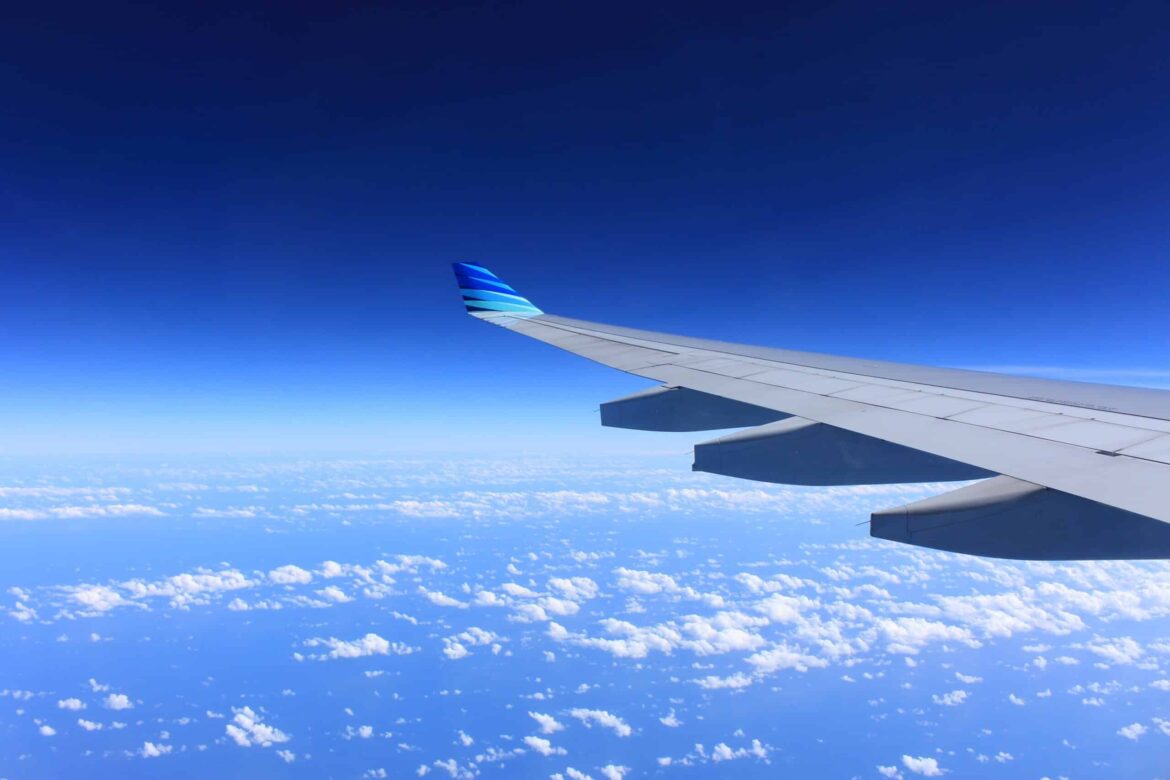
Recently I did something with misophonia (and misokinesia) that I had convinced myself for five years wasn’t possible. I took not one, not two, but four flights. Two of which were connections, but still. Due to my sensory processing difficulties I had been convinced that I was locked into a geographic area that’s only reachable by car, and certainly not by bus, which I still won’t use. I learned a valuable lesson from this trip: the things we’re afraid of are often worse in our heads. My fear of traveling wasn’t based on what did happen – it was thoroughly based on what could happen.

As a teenager who was depressed and had heavy anxiety, I always wanted to go to the US. I dreamt of New York – of flying away and seeing the world.

Misophonia made me think that traveling wasn’t possible…

As I flew from Canada to the United States, I made it through customs. I made it through waiting areas by avoiding them. I sat in corners. I ate sushi. I made friends with a girl who worked at the bank at the airport. The trip wasn’t just trigger-light – it was fun. I remembered the girl who loves people. The girl who loves planes and new experiences. That girl was having a blast – despite the anxiety before the trip.

On the plane I survived by wearing an eye-mask, having a neck pillow, and wearing earplugs with noise-cancelling headphones. The trip went by without a scratch. Once I got to the airport, I kept my headphones on and avoided areas with people sitting down (leg shaking is a huge trigger). Since airports are large, this was fairly easy.

The most liberating part of my journey was realizing that I could do it. Despite my misophonia which can be pretty bad, and despite all of the pain and suffering this disorder caused, I was able to fly to wherever I wanted. I can go wherever I want in the world – and I’ll be okay. I am not trapped by this disorder.

flying planes misophoniaIt’s important to remember that even though misophonia might feel impossible to live with, we do have choices. We can decide what matters to us and find ways to enjoy the world around us. Yes, we might have to use coping skills and we might have to avoid some situations, but that doesn’t mean that we are unable to go where we want.

It doesn’t mean that we can’t find ways to be happy. To see the world. To look out the outside of the plane window and almost cry for joy as you see New York from the plane for the first time.


March 24, 2019 0 comments
1 FacebookTwitterPinterestEmail
ASMR P1 900x420
Research

Misophonia and ASMR

by Sensory Diversity March 10, 2019
written by Sensory Diversity

Misophonia and ASMR: The Similarities

by Mercede Erfanian

Misophonia, a neurobehavioral condition characterized by highly emotional magnitude and aberrant physiological hyperactivation in results to the sensitivity and reactivity to a range of soft, repetitive, and pattern-based sound triggers (Brout et al., 2018; Rouw & Erfanian, 2017). According to the body of research, chewing, lip-smacking, and crunching are examples of the most disturbing triggers, eliciting heightened physiological symptoms such as diaphoresis, hypertension, and tachycardia and/or emotional responses like irritation, anger, and disgust (Wu et al., 2014; Schröder et al., 2013). Visual and tactile triggers also have been reported but to less degree related and also unrelated to the auditory triggers (Rouw & Erfanian, 2017). The previously limited body of research shed light on the brain basis underlying the mechanisms of misophonia (Kumar et al., 2018; Schröder et al., 2014; Edelstein et al., 2013). Edelstein et al., 2013 study findings highlighted the increment of electrodermal activity in individuals suffering from Misophonia in reaction to typical misophonic triggers in compare with non-misophonic participants (Edelstein et al., 2013).

Autonomous Sensory Meridian Response (ASMR) or ‘brain tingles’ is a cross-modal condition, defined by a tingling static-like sensations, frisson (goosebump) or aesthetic chills which start from the back of the skull (scalp) spreads through the spine, and/or sexual arousal, in response to a range of soft sounds such as whispering, tapping, and hand movements or even excerpts of music (Barret & Davis, 2015). The research on ASMR and the underpinnings mechanisms is far from understood. However, Poerio et al. showed a decline in heart rate while there was an augmentation in electrodermal activity measured by Skin Conductance Response (Poerio et al., 2018).

Misophonia and ASMR are known to be associated, with similar physiological reponses. Yet the underlying neurological mechanism is neither fully investigated nor known. Rouw and Erfanian study indicated that half of their participants, clinically (12%) and non-clinically diagnosed, (n=301) reported experiencing ASMR (49%), still, they could not find any difference between the severity of misophonia symptoms with and without ASMR groups (Rouw & Erfanian, 2017). Comparing to individuals without ASMR, ASMR individuals seem to develop more severe misophonia complaints (McErlean & Banissy, 2018). Due to the potential neurological correlated, some researchers compare misophonia and ASMR relating to two components which explain the resembles between the two. These two components are called inducer and concurrent. In theory, the stimulation of one sensory or cognitive region or pathway (inducer) leads to simultaneous and autonomic stimulation of the other region or pathway (concurrent). In misophonia, the inducer is a triggers sound such as swallowing that evokes a certain emotion such as anger (concurrent), while in ASMR, the inducer is a sound, manifesting a tactile sensation (concurrent). Having said that, the available findings on the link between misophonia and ASMR are based on subjective investigation and warrants further research.

All in all, misophonia and ASMR are both underrated conditions that appear to be related, being on two opposite ends of a spectrum. Although the fundamental correlates seem to be resemble, there is no finding supporting this claim. A comprehensive examination is needed to look into these similarities in the brain level and the possibility if ASMR can be allocated as an alternative therapy for misophonia through randomized clinical trials.

References:

● Barratt, E. L., & Davis, N. J. (2015). Autonomous Sensory Meridian Response (ASMR): a flow-like mental state. ​PeerJ,​ ​3​, e851.

● Brout, J. J., Edelstein, M., Erfanian, M., Mannino, M., Miller, L. J., Rouw, R., … & Rosenthal, M. Z. (2018). Investigating misophonia: A review of the empirical literature, clinical implications, and a research agenda. ​Frontiers in Neuroscience,​ ​12​, 36.

● Edelstein, M., Brang, D., Rouw, R., & Ramachandran, V. S. (2013). Misophonia: physiological investigationsandcasedescriptions.​FrontiersinHumanNeuroscience,​ ​7​,296.

● Kumar, S., Tansley-Hancock, O., Sedley, W., Winston, J. S., Callaghan, M. F., Allen, M., … & Griffiths, T. D. (2017). The brain basis for misophonia. Current Biology, 27(4), 527-533.

● McErlean, A. B. J., & Banissy, M. J. (2018). Increased misophonia in self-reported Autonomous Sensory Meridian Response. ​PeerJ​, ​6​, e5351.

● Poerio, G. L., Blakey, E., Hostler, T. J., & Veltri, T. (2018). More than a feeling: Autonomous sensory meridian response (ASMR) is characterized by reliable changes in affect and physiology. PloS one,​ ​13​(6), e0196645.

● Rouw, R., & Erfanian, M. (2018). A Large​-S​ cale Study of Misophonia. ​Journal of clinical psychology​, ​74(​ 3), 453-479.

● Schröder, A., van Diepen, R., Mazaheri, A., Petropoulos-Petalas, D., Soto de Amesti, V., Vulink, N., & Denys, D. (2014). Diminished N1 auditory evoked potentials to oddball stimuli in misophonia patients. ​Frontiers in behavioral neuroscience​, ​8,​ 123.

● Schröder, A., Vulink, N., & Denys, D. (2013). Misophonia: diagnostic criteria for a new psychiatric disorder.​PLoS One,​ 8​ ​(1), e54706.

● Wu, M. S., Lewin, A. B., Murphy, T. K., & Storch, E. A. (2014). Misophonia: incidence, phenomenology, and clinical correlates in an undergraduate student sample. ​Journal of clinical psychology​, ​70(​ 10), 994-1007.

March 10, 2019 0 comments
0 FacebookTwitterPinterestEmail
pexels lisa 890550 scaled
CopingMisokinesiaTreatment

Misokinesia

by Sensory Diversity March 8, 2019
written by Sensory Diversity

While there is no official scientific consensus on the relationship between misophonia and misokinesia, some researchers and persons have taken to using the term misokinesia (hatred of movement) for visual triggers. It is important to note that this is just a name, and the underlaying mechanisms behind the two phenomenon could be related, or they could be part of a separate reaction. There is even less scientific information on misokenisa than there is misophonia. A sensory diet (which are set activities designed by occupational therapists) can be helpful to prevent meltdowns and shutdowns related to misokenisa and misophonia.

Both misophonia and misokenisa are similar to the subset of Sensory Processing Disorder called Sensory Over Responsivity. Persons who struggle from visual triggers have reported feeling a similar feeling of anger, pain and disgust as that of misophonia.

Visual triggers have a negative impact on the life of misophonia sufferers. Some of the following triggers have been reported by sufferers, some of which are related to the sounds they are associated with (gum chewing) while others are related to movements or sights.

The following visual triggers have been reported, but this does not mean that others are not possible.

  • Gum Chewing
  • Swaying
  • Leg tapping/swaying
  • Bags swaying
  • Clocks
  • Mouths Moving
  • Pin Wheels
  • Moving Signs
  • Flashing/Blinking Lights
  • Wind Mills

If you suffer from visual triggers, it is important to know that you’re not alone. Like misophonia, there is no treatment for misokenisa, however scientists are looking into this phenomenon.

March 8, 2019 3 comments
0 FacebookTwitterPinterestEmail
pexels andrea piacquadio 3881325 scaled
Advocacy

Misophonia & the Dentist- Tips on Having a Positive Experience

by Sensory Diversity March 4, 2019
written by Sensory Diversity

By Dr. Greg Grillo (dentably.com)

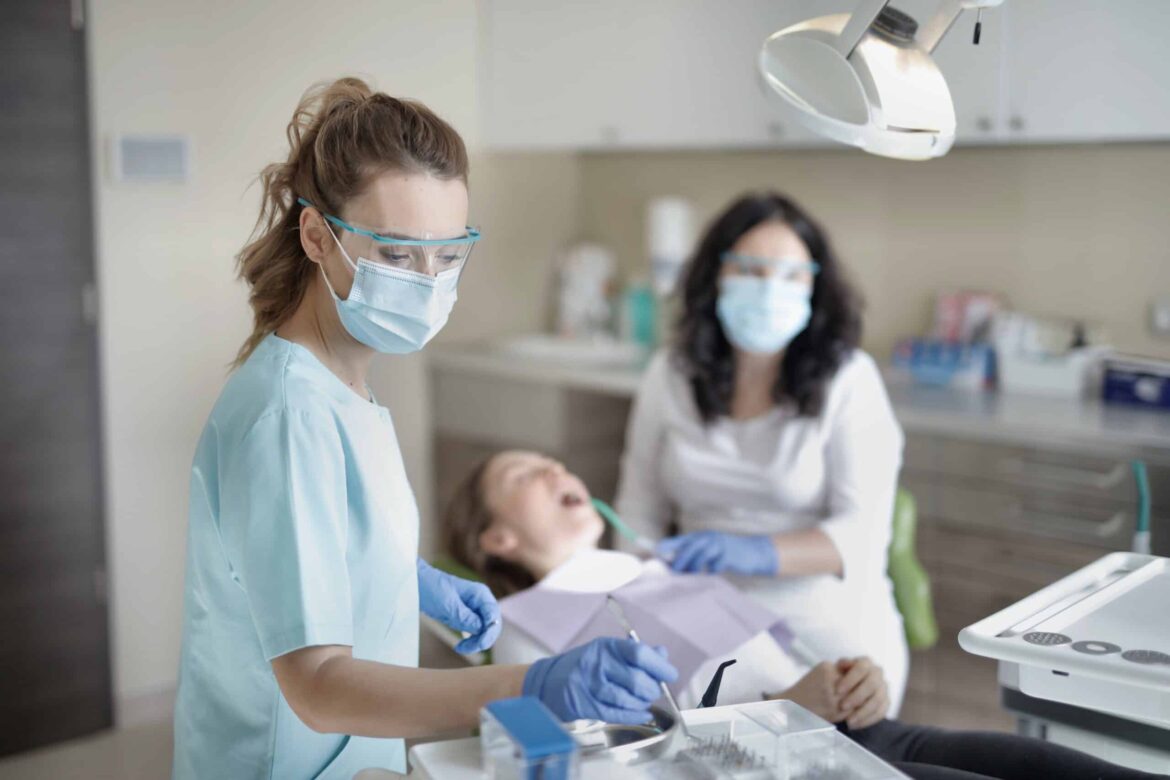
There are a lot of sensory elements that come with being at the dentist. The bright lights, loud noises, tastes and smells of oral care products, and being touched by people can cause anxious feelings for anyone. However, patients with Misophonia may be even more sensitive to these elements and this condition is something that more dentists should become aware of. Misophonia is a neurological disorder in which auditory, and sometimes visual stimuli, cause an individual to go into the fight/flight response. Sounds and sights that may not be noticed by most people, but individuals with Misophonia may be extremely disrupted by everyday sensory elements.

I have been practicing family dentistry for 17 years and it’s always a goal of mine to do what I can to ensure the comfort of my patients. Dental care is extremely important to one’s health and well-being and most dentists will do whatever it takes to help a patient receive care. Here are some ways you and your dentist can work together to improve your dental experience.

  1. Dental care at home

Having a good oral hygiene routine at home is essential to the well-being of one’s mouth. In individuals with Misophonia, it can be very difficult to have a dental care routine. Toothbrushes and the feeling of toothpaste can either be under or over stimulating and put people in heaps of discomfort. It’s important to find a toothbrush and toothpaste that what works best for you. Every person is unique in their needs and feelings so what works for them, may not work for you and that’s okay.

Another way to keep your teeth healthy outside of brushing and flossing is by maintaining a healthy diet. Foods that have a lot of vitamins and minerals will keep your teeth strong and healthy. The best source of nutrient-rich foods is in fruits and vegetables. If certain foods cause sensory overload, find which ones feel best for you. Foods come in many different tastes and textures, so center your diet around what works for you. Many health food stores also sell vitamins and supplements in various forms to help you receive the nutrients that you need.


  1. Talk to your dentist

Talking to your dentist is a great idea for making any accommodations you may need during your visit. They are a great source for information, and you can ask them any questions that are on your mind. As I mentioned, it’s a dentist’s goal to make a patient as comfortable as possible. If any accommodations need to be made to assure a good visit, they will be more than willing to do so.

One thing that may be beneficial to someone with Misophonia is reducing the waiting time before your appointment. It’s common that the auditory and visual elements in the waiting room such as gum chewing, shaking legs, and other movements can be overwhelming. Talk to your dentist about scheduling an appointment at a quieter time where there won’t be as many patients at the office. Also, ask if you can be seated in the dental chair as soon as you arrive to avoid sitting in the waiting room

Another element of the dentist that individuals with Misophonia experience are triggers from dental tools such as toothbrushes, picks, and drills. The sound and feeling of metal scraping against the teeth can be unbearable. Talk to your dentist about different methods they can do to make you comfortable enough to receive dental care.

  1. Never give up

Working towards having positive dental experiences may seem like a long and tiring journey. It’s important that you never give up. Dental care is essential to your overall health and well-being. Even if it takes years, there is a solution out there for you to make dental hygiene easier for you. Your dentist is a great source of support on this journey. You can work together and learn from each other on what works and what doesn’t.

The dentist office can be an overwhelming place for anyone, but living with Misophonia can make going to the dentist much more difficult. However, there are ways to overcome these issues and turn work to make it a more positive experience. Your dentist will want to work alongside you to make the visit be as comfortable as possible, and these tips can help you to begin making the dental office an easier place to visit.

March 4, 2019 0 comments
0 FacebookTwitterPinterestEmail
pexels paul blenkhorn sensoryarthouse 12211112 scaled
ResearchSPD

What is Sensory Over-Responsivity (SPD-SOR)?

by Sensory Diversity December 3, 2018
written by Sensory Diversity

Sensory processing involves the reception of and automatic neurobiological responding to stimuli from the outside environment (Brown, Tollefson, Dunn, Cromwell & Fillion, 2001). The proposition that we learn through our senses has been widely accepted within the fields of mental health and child development for over half a century. For example, Piaget (1958) described how the infants’ coordination of sensorimotor actions forms the foundation of cognitive development as they become internalized, and symbolically represented in memory.

With the advent of more sophisticated technologies in neuroscience, the various ways that sensory stimuli are processed in the brain were elucidated in the late 1970’s-1980’s (LeDoux, personal communication, 2016). Joseph E. LeDoux, for example was one of the early pioneers of affective neuroscience, and demonstrated in rodent models that sensory stimuli is the forerunner to emotional responding (Almada, Periera Jr. & Carrara-Augustonborg, 2013). In 1990, LeDoux made this connection overtly clear in the title of his paper “Information flow from sensation to emotion: Plasticity in the neural computation of stimulus value.”
The senses, then, are connected to complex and incalculable neural processes, including perception, learning, memory, motor coordination and emotion regulation (Brown et al., 2001; Kandel, Schwartz, & Jessell, 2000; Shepherd, 1994). In addition, over the past 20 years, sensory processing problems related to the tactile, auditory, visual, gustatory, olfactory, proprioceptive, and vestibular systems have been associated with various problems related to daily living. These problems include motor planning, visual and auditory discrimination as well as the processing and reacting to sensory stimuli in a graded manner (Bundy & Murray, 2002; Greenspan & Porges, 1984; Kandel et al., 2000; Reeves, 2001; Schaaf & Anzalone, 2001; Wiener, Long, DeGangi, & Battaile, 1996; Williamson & Anzalone, 2001). Early estimates of the prevalence of sensory processing problems in Kindergarten children were 5% (Ahn, Miller, Milberger, & McIntosh, 2004). In contrast, estimates of atypical sensory processing in children with developmental disabilities were between 40-88% (Adrien et al., 1993; Dahlgren & Gillberg, 1989; Kientz & Dunn, 1997; Ornitz, Guthrie, & Farley, 1977; Talay-Ongan & Wood, 2000).

Sensory Over Responsivity (SPD-SOR)

The inability to respond to sensory stimuli in a graded manner refers to individuals who may over-respond, under-respond or crave more sensory stimulation than others. Sensory Over Responsivity, or SOR, describes children who react adversely to sensory stimuli that others find neutral or even pleasant. (Ahn, et al., 2004). Prevalence estimates of children who are over responsive to sensory stimuli (SPD-SOR) are estimated to be 16% in children 7-11 years old (Ben-Sasson, Carter & Briggs-Gowan, 2009).

In a ground breaking study McIntosh, Miller, Shyu, & Hagerman (1999) used electrodermal activity and vagal tone as dependent measures. The researchers found that children with SPD-SOR demonstrated a greater sympathetic response (i.e., freeze, fight or flight response) to stimuli, as well as a weaker parasympathetic response (i.e., the system referred to as “rest and digest”; McCorry, 2007). SPD-SOR children demonstrated responses to stimuli that were larger in amplitude, more frequent, and/or of longer duration compared to typical peers. In addition, they demonstrated specific difficulties in habituation, manifesting difficulties returning to baseline arousal compared to typical peers (McIntosh et al., 1999; Schaff & Anzalone, 2001). Notably, later research comparing sensory over responsive children with Autistic Spectrum Disorder (ASD) children revealed that while ASD children were more likely to under-respond to sensory stimuli than children with SPD, over-reactivity within both groups were similar. (Tavassoli et al., 2017). Finally, a more recent neuroimaging study revealed strong evidence for specific brain differences in children with SPD, adding more validity to the diagnosis. In this study boys with SPD were found to have decreased white matter connectivity, particularly in the parietal regions of the brain (Owen et al., 2013).

SOR, Auditory Gating and Misophonia

Research supports a decreased ability to auditory gate in children with SPD. In other words, children with SPD are less able to detect changes in the frequency and the loudness of auditory tones presented sequentially (compared to typically developing control children; Davies et al., 2009, 2010; Davies & Gavin, 2007; Gavin et al., 2011). It is interesting to note that parallel to this research Jastreboff and Jastreboff (2001) termed the newly proposed disorder Misophonia.

Misophonia is a newly termed disorder (Jastreboff & Jastreboff, 2001) that shares a phenotype similar to auditory over-responsivity (SOR specific to the auditory sense) and is particularly relevant to auditory gating. Although the research on this disorder is in its infancy, Misophonia is considered a neurophysiological condition characterized by heightened physiological responsivity and a high level of emotional reactivity resulting from intolerance to specific auditory, and sometimes visual, stimuli (Jastreboff & Jastreboff, 2001; Jastreboff & Jastreboff, 2014; Moller, 2011; Edelstein, et al., 2013). Originally described by Jastreboff and Jastreboff (2001), individuals with Misophonia demonstrate increased sympathetic nervous system arousal, accompanied by emotional distress in response to specific pattern-based sounds, irrespective of decibel level (Kumar et al., 2017; Schröder, Vulink & Denys, 2013). Examples of these sounds include other people chewing, throat clearing, slurping, finger tapping, foot shuffling, keyboard tapping, and pen clicking (Edelstein et al., 2013; Rouw & Erfanian, 2017). Additionally, some sufferers have reported experiencing visual triggers, such as leg-shaking, mouth movements, chest movements, etc. (Edelstein et al., 2013; Schröder et al., 2013). Preliminary experimental studies have noted hyper-myelination between the parts of the brain that process auditory stimuli and parts of the brain that process emotion (as well as detecting salience of stimuli; Kumar et al., 2017).

To date there have been no studies directly comparing Misophonia with SOR. Nor have there been studies exploring whether earlier and more generalized auditory over responsivity is a risk factor for the specific sounds in Misophonia. However, because of the overlaps between Misophonia and SOR, exploration of how self-regulatory skills develop in Misophonia is warranted as part of a larger discussion of SOR, and self-regulation.

Excerpt from:
Brout, J., Ahn, R, & Appelbaum, M. (2018). Sensory Over Responsivity,
Attachment, and Self-Regulation: Considerations of the Specific Impact of Auditory Stimuli. Reframed: The Journal of Self-Reg, 2, 4-13.
December 3, 2018 0 comments
0 FacebookTwitterPinterestEmail
Newer Posts
Older Posts

Sensory Diversity is the recognition that every individual perceives, filters, and responds to the world in a unique way. While neurodiversity celebrates the different ways we think, sensory diversity focuses on the gateway to those thoughts: our senses.

Social media infographics and posts are not a reflection of the views of the site owner or individual site authors. These posts come from a variety of sources and reflect numerous viewpoints through the sensory and neurodiversity community.

Recent Posts

  • Sensory Accessibility Suggestions for World of Warcraft
  • When It Isn’t ADHD or Autism: The Lost Tribe of Neurodivergence
  • What It’s Like Living With Misophonia
  • How Misophonia Actually Feels for Sufferers
  • What is Sensory Dysregulation?

Recent Comments

  1. Lilian on Misokinesia
  2. admin on Misokinesia
  3. Dense Caldwell on Misokinesia

Product links may be affiliate links. This site makes a small commission off these links.

  • Facebook
  • Instagram
  • Linkedin
  • Tumblr

@2021 - All Right Reserved. Designed and Developed by PenciDesign


Back To Top
Sensory Diversity
  • Home
  • Blog
  • Neurodivergence
    • What is Autism?
    • What is ADHD?
    • What is Sensory Integration / Sensory Processing Disorder?
    • What is Misophonia?
    • What is Misokinesia?
  • Sensory Lifestyle
  • Sensory DIY

Shopping Cart

Close

No products in the cart.

Close