Sensory Diversity
  • Home
  • Blog
  • Neurodivergence
    • What is Autism?
    • What is ADHD?
    • What is Sensory Integration / Sensory Processing Disorder?
    • What is Misophonia?
    • What is Misokinesia?
  • Sensory Lifestyle
  • Sensory DIY
  • 0
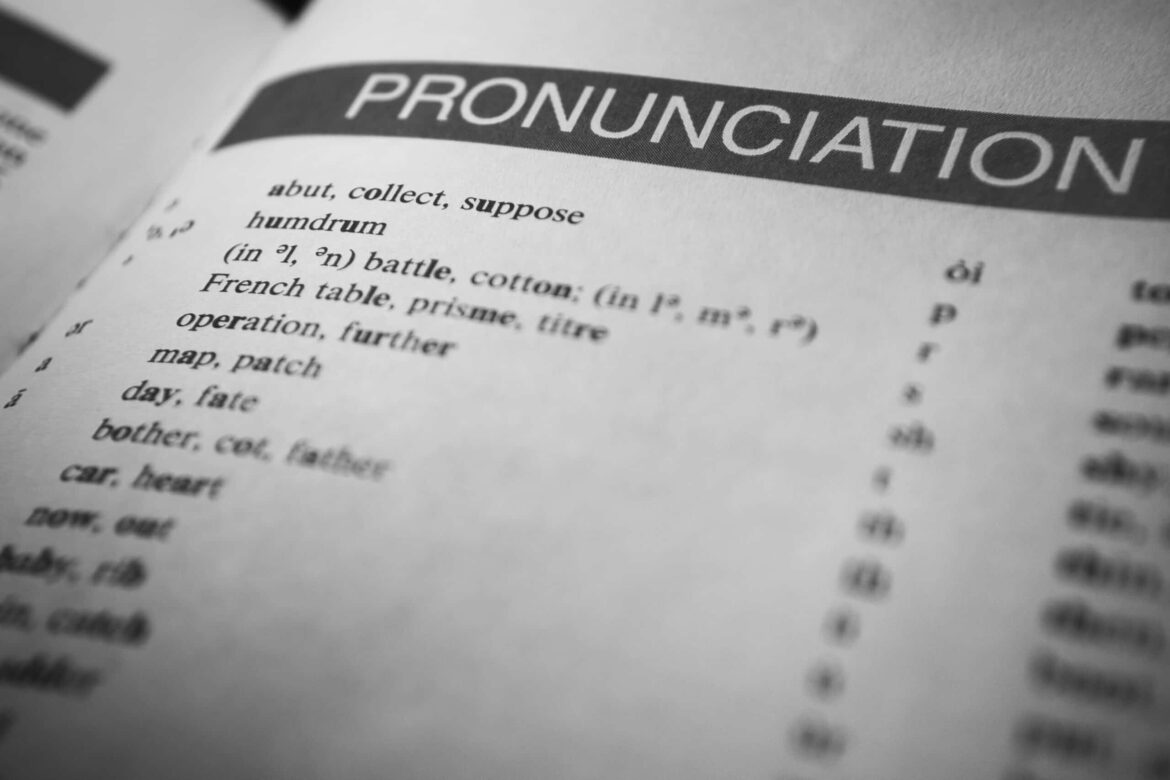
chapter in textbook stockpack pexels scaled
Advocacy

Misophonia Pronunciation

by Sensory Diversity May 3, 2016
written by Sensory Diversity

How is Misophonia pronounced? As a writer, and a once-upon-a-time English student, I’m always looking at words and trying to decipher them. Sometimes the grammar gets lost in my head because I’m so busy looking at each and every word.

So, what does Misophonia mean?

We know that the word “miso” means hate and the word “phonia” means sounds. 


Some people around the community have been calling it “mee-so-phonia” or “m-eye-sophonia”. I can see why people would jump to this conclusion, after-all, Miso soup is a delicacy in many parts of the world, but, we’re not soup. I could wager that we’re not hatred either, but this isn’t about what we are, it’s about how to pronounce the word.

Dictionary.com defines miso (of greek origin) as “indicating hatred”, but more importantly, it shows another word that starts with the same prefix. Like misogynist, misophonia starts with the greek word “miso”.


So, what is the proper Misophonia pronunciation?

With that in mind, I pronounce it relatively the same, as “miss-o-phonia”. So, unlike the japanese word (miso) pronounced “meeso”, “miso” is generally pronounced more like misogyny.




May 3, 2016 0 comments
2 FacebookTwitterPinterestEmail
gray wire fence stockpack pexels scaled
AwarenessRelationships

The Other Side of The Fence

by Sensory Diversity February 2, 2016
written by Sensory Diversity

I haven’t always had Misophonia.

I can still remember the days of old when I wasn’t bothered by or triggered by any noises. A person who doesn’t have sensory processing issues or Misophonia probably won’t notice the sights or sounds that you’re noticing. In fact, they may be so oblivious that they don’t even know if they’re making noise or moving. When you have Misophonia it’s nearly impossible to imagine that these noises or visuals can be completely unseen and unheard. However, when you’re not living with it on a daily basis, it can be very hard to understand what the big deal is about. A person without Misophonia may wonder why you’re so upset and first think you’re merely hypersensitive. It’s not their fault that they think this way. Each person has trouble seeing outside of his or her own experiences, so it’s hard to consider the viewpoint of a person with Misophonia.

A person who is triggering a loved one or a close friend may feel a significant amount of guilt when trying to deal with Misophonia and its impact on their loved one. After all, they do not want to hurt you, and yet, one wrong move and they’re being given the stink-eye, again. It’s traumatic to always be griped at and ‘attacked’ for making a noise you’re used to, or moving a body part. Unfortunately, the person who is triggered has little control of their rage in the moment. However, that doesn’t mean that the feelings of the person who the rage is directed toward do not feel it too. People have trouble considering changing their habits or behaviours in order to ease the lifestyle of another. It’s not because they’re arrogant or selfish, it’s because everybody is just trying to get by, in their own way. A significant amount of the population hums, whistles, or shakes their legs or sways when they are uncomfortable or faced with anxiety. Unfortunately, these behaviours tend to send people with Misophonia into a rage, and this reaction could further send the person causing the trigger into anxiety. Misophonia is uncomfortable for everybody involved.

The lack of medical knowledge and research on Misophonia is not only challenging, but also very confusing for people who do not have it. If you think it’s hard living with the disorder, imagine watching it happen but not knowing what to do, or whether or not your actions could actually be making the disorder worse. This is especially challenging for parents that are trying to guide their children in the right direction. A lot of people will say that their kids cannot be coddled and that they should be forcing them to ‘toughen up’. This can send a mixed message to parents. Since the pain associated with Misophonia is severe, a parent’s reaction will be to protect their child – but a lot of people will be urging them to force their child to ‘get over it’. All current findings on Misophonia believe that the disorder gets worse with exposure. It’ll be impossible to keep a child away from any and all triggers, but forcing them to deal with it is not the way to go. There’s a fine line between avoiding life and purposefully exposing a person to triggers. Balance should be found that helps each person, and there is no “one-size-fits-all” to take care of Misophonia.

Misophonia is an emotional struggle for everybody involved. There are no right answers, and the current amount of research and diagnosis is so small that it’s hard to feel a sense of hope once you know that it’s in-fact a real diagnosis. However, this does not mean that everything has to be gray skies. Open communication can be helpful for everybody. If you are being triggered, you should be able to communicate positively and if it’s the only excuse, leave the room. If you are not the person suffering, but rather the trigger, or a person involved with a Misophonia sufferer, you should learn not to take their behaviour personally.

February 2, 2016 0 comments
0 FacebookTwitterPinterestEmail
person hand reaching body of water stockpack pexels scaled
Uncategorized

Misophonia Is Not Hopeless

by Sensory Diversity January 6, 2016
written by Sensory Diversity

Whether or not Misophonia is actually a sub-set of SPD (such as SOR, or sensory over-regulation) remains to be seen.

Misophonia, SPD, and other sensory related issues can seem as though they have stolen your life. Mental disorders such as OCD, Depression, Anxiety, ADHD, or others can hijack the situation and turn it into a bitter pill to swallow. But, it’s not entirely hopeless. Actually, I’d be willing to say it’s not hopeless at all.

When I first discovered that I had Misophonia I spent a lot of time in my house. I became isolated by my strong desire to protect myself. After all, who wouldn’t want to avoid a traumatic situation? Though, as this behaviour continued I noticed a pattern. The more I tried to avoid triggers, the more I was triggered. Not only that, the severity was growing. At first, I attributed this to a hopeless reality: this disorder was getting worse and would eventually take over all aspects of my life.

In the past month I have done several things that I never expected to do again. Trapped and isolated in my disorder, I had waged war against all unnecessary public behavior. I mean, I shopped, but that’s not exactly a sincere socialization process. I have gone to a restaurant 6 or 7 times, previously I avoided this like the plague – now, I’m less inclined to say no to a friend. After all, life’s short. I went to the movies. A 3D movie with popcorn eaters and all (luckily chewing is a rare trigger for me, but still, I got past the anxiety).

There is not going to be a ‘one size fits all’ cure for Misophonia. The disorder, like SPD, is complex. Each and every sufferer is going to have their own past experiences, their own desires, and their own fears. Work with that. Identify who you are and where you’re triggered. Do you feel worse when you’re tired/dehydrated? Are certain foods making it worse? Explore and listen to your body – literally. It may be trying to have a conversation with you.

Personally, I have been exploring the benefits of a sensory diet. This can be found here. It is written by Susan Nesbit, O.T. Who, by the way, is an amazing woman!

January 6, 2016 0 comments
0 FacebookTwitterPinterestEmail
selective focus photography of child s hand stockpack pexels scaled
*SEOWorkInterviewsParentsPersonal Stories

“My Son Has Misophonia”: An Interview

by Sensory Diversity October 4, 2015
written by Sensory Diversity

Misophonia: When your child suffers from sensory issues

As a mother, what was it like discovering your son has Misophonia?

Truthfully, it was both joyful and devastating if that makes sense. The joy was that we finally found out we were not alone and that this was an actual condition.  Shortly after the joy, came the pain. The pain of knowing this was, in the eyes of the medical community, an obscure condition. Little was known, few recognized it and the prognosis was not good with few treatments available and chances of success with them fairly low.  Every parent wants their child to be successful and happy and I think you go through a grieving period when you find out that this is going to be far more difficult than you ever imagined for them.

Has it been hard to adjust?

It’s like both your entire lives revolve around misophonia. It’s constant accommodating and as a parent, who is the main trigger, you are constantly walking on eggshells and he, as a child who loves you so much, is ridden with guilt.

How far do you go to accommodate your son?

There are many accommodations. The one thing I know and am cognizant of is that he doesn’t want to be this way and we’ve learned despite people telling me otherwise, that being tough and exposing someone to triggers does not work and is truly a horrifying experience. We eat separately, we only go to restaurants if he is in a particularly good frame of mind and feels he can cope with it and he still sits at a different table by himself or with a friend. I’ve moved his bedroom from one side of the house to another in order to give him some peace in the summer because people are active outside in their pools and hot tubs. We have lots of headphones. I attempt not to yawn ever in front of him or cough if at all possible. I pin my bangs out of my face when he’s with me because a visual trigger is me moving my hair out of my face. For appointments and trips longer than twenty minutes I have my dad or a friend drive him. I do my transcription late at night after he’s in bed so that he doesn’t hear the keyboard clicking. I do not take calls at night so he doesn’t have to hear my voice. I try not to have guests over because the conversations, laughing and other noises will trigger him. He has tv to sleep at night because it drowns out the noise. I don’t wear heels around him.

What advice would you give other parents who are discovering that their children have issues with sensory processing?

I think firstly, be supportive and not angry. Don’t take it personally. It is easier said than done when you are being yelled at for coughing or sniffling but honestly if the child could turn this disorder off they would and it’s very painful for them as well so be supportive. Try to accommodate but also make sure that you continually keep the conversation open about coping mechanisms. It’s vital that you both try to compromise and work towards a more peaceful way of living. The other advice I would give is to communicate with your friends and families so that they can also have an understanding and will try to accommodate as best they can and so you have some support. Reach out to support groups and share your successes and concerns so that you are not isolated and your child isn’t either. Also, and this may seem like common sense, monitor diet and sleep routine. A good diet and lots of rest are very helpful in managing symptoms. Stress is not our friend! I would also say don’t lose hope as difficult as things may be. There will be successes and as we reach out to each other and are open about the condition, we will gain awareness and the medical community will eventually catch up.

Does your son use any coping methods?

Headphones on occasion however this has been a real struggle. His first thoughts are that others are making the sounds on purpose and that they should simply stop. We are working on that. Right now we try breathing techniques and distraction. So if he’s feeling particularly triggered he may politely leave the space or he is to do a word search or work on his Rubik’s cube to distract his mind from the sounds. Again, he’s young and we really struggle with this because he wants to be around everyone and wants everyone to stop what they are doing and it’s not always possible to do so. It’s a day to day battle and some days are better than others.

Has your son’s education suffered from the disorder?

Yes and no. Academically he does well. I’ve educated the school officials as much as possible about misophonia and they are trying to be as accommodating as possible. He gets quiet space for tests and a peace pass to leave the class briefly when he needs to. Socially it is an issue sometimes as being around other kids can be tough. He has a select group of friends who don’t trigger him or at least try not to and are understanding of his disorder.  It’s a little more challenging with Declan because he also has Tourette’s with a nasty vocal tic if triggered. It’s taken us time to develop a social network of kids and even adults who understand. I would say certain subjects have suffered. His science has suffered because his science teacher doesn’t believe in accommodating. He feels that people have to get along in the real world so this is helping to make him successful. We often have “ discussions” about his lack of accommodating and feeling it is more controllable than it is. I will be glad when he has a different science teacher.

What would it mean to you, if you could have this cured?

Having a cure for misophonia would mean everything to me. It would mean a happy future for my son.  It would mean we could take our life back and be close again. It’s not like we aren’t close now but the disorder has been integrated into every moment of our days and nights and it can’t help but cause fatigue and resentment. I can’t do the fun things with him all the time. We manage but I would so love to take a holiday with him. Drive long distance in the truck and go to restaurants and just do things that other families do. People don’t understand when you can’t sit at the same table to eat. They don’t understand when you can’t take a holiday together. They don’t understand that you can’t sit in a plane beside your son as much as you love him and want to. Having a cure for misophonia would mean no more walking on eggshells trying to protect your loved one. It would mean no more begging neighbors to be quiet. It would mean no more explaining to restaurant staff to not make a big deal but sit your child at his own table. No more weird looks. Most of all, my son and I could be best friends again. It’s not like we aren’t. I think miso has drawn us closer in other ways because although I’m the main trigger, I’m also the one who understands but it’s far from perfect. I would love for us to both live life and not have to live around it.

October 4, 2015 0 comments
0 FacebookTwitterPinterestEmail
intelligent businesswoman explaining documents in office stockpack pexels scaled
*NeedsRewrite*SEOWorkRelationships

How To Explain Misophonia

by Sensory Diversity September 24, 2015
written by Sensory Diversity

Do you want to explain Misophonia to others, but have trouble bringing it up?

When you know that you have to tell a person about your disorder (especially trying to explain Misophonia), it can be stressful – the anxiety, fear, and anticipation can be enough to keep your mouth firmly shut, and continue your suffering. However, it’s important that you go through with it. Keeping things bottled up will not help your disorder, or your life – I promise you that. Consider the tips below when you’re going to confront someone. You may want to adjust the conversation depending on whom you’re talking to, but these tips should help you when thinking about how to act, what to do, and what to say. It’s a good idea to make sure you’re not triggered at the time of the conversation. During a trigger, your anger is heightened and you may perceive the person as a threat. It’s important that you are prepared to explain Misophonia in a positive manner. No one wants to feel attacked.

  • Prepare yourself with research and website links that can be helpful to explain Misophonia to the person you’re about to approach. Make sure that they will understand that it is a real condition, and that you are serious.
  • Keep your mood stress-free, and ensure that you are relaxed beforehand. Try to have a bath, some tea, some light television, or something you enjoy before you have the conversation. If you’re stressed or tired, the conversation may go south quickly. It is important that you are in a good mood for the conversation.
  • Choose a location in which you know there will be little to no triggers. Try to be somewhere that you and the other individual are both comfortable. If this is not possible, try to become familiar with the place beforehand (such as talking to the person in their office before-hand, and asking if you can meet another day, when you have more time, or are prepared).

During

During the conversation, your aim should be to keep it positive and informative. You should provide examples of what triggers you, even if they are not the same ones that trigger you in the environment with the person. It’s important that they understand it is not just when you are around this person, and that this disorder impacts several aspects of your life. Do not make it all about them.

  • It may be helpful to print off articles that explain Misophonia, and what it is. Since research is minimal, some of the websites listed at the end of this book can be helpful for learning about Misophonia.
  • If the person triggers you during the conversation, identify it but not in an aggressive manner. Excuse yourself, and explain that what they are doing is one of the things that cause a reaction. Politely ask if they can stop or if there is a way, they can adjust their behaviour. Make sure they understand you are not blaming them, but that the condition is serious.
  • Do not apologize for Misophonia or make excuses. Say that it is a neurological condition, and that you have it. Be matter-of-fact, and explain that unfortunately there is no cure.
  • Discuss a way that you can let them know you are being triggered, without being offensive, or turning to anger. If the conversation starts to go sour, or the person does not understand – excuse yourself. Do not let anger turn into a confrontation. Explain that you were merely explaining your feelings, and that this has a huge impact on your life. Leave before it becomes more serious, often leaving is a statement of its own.

Afterwards

Chances are, after you explain Misophonia to another person, they will still trigger you. It can be hard for a person to recondition things that they are used to doing, and even harder to remember. Unlike you, this person does not deal with Misophonia on a day-in-day-out basis, so it’s unlikely that it’s something they consider regularly. Do not blame them for this, and do not hold it against them. Unless the person is trying to trigger you and disregards your feelings entirely, you should be mindful that they are probably not out to get you, and that is merely a reaction from Misophonia.

  • If you have to remind them that they are triggering you, be polite.
  • Leave the room and if they ask why, explain that you’re being triggered.
  • Try to remain positive; do not engage when you are angry.

Boss or Administration

explaining-misophonia-to-boss-coworkersMisophonia is challenging to discuss with others. Your boss should be a person that you trust and that you can approach with issues that involve your work performance and comfort in the workplace. For some people, their boss is intimidating and a person that they would rather not confront. Either way, it is best to go into this conversation prepared. You should explain Misophonia is a neurological condition that can’t be helped, though there is little information and no cure yet. Ask your boss if there is anything they can do to help, and assure them that, you are committed to the job, and are asking for the betterment of not just you, but your performance. If your boss is not supportive, you should be armed on the laws reflecting accessibility in your region.

Coworkers

Co-workers can be tricky. You have to play nice when you have a job. This is especially worrisome for those that work in an office environment. A lot of workplaces are starting to allow snacking on the job, and this causes a lot of triggers. Being polite can go a long way with other workers, no matter the situation. However, sometimes coworkers aren’t willing to stop something that they believe is ‘their right’. Approach the co-worker when you aren’t triggered and inform them that you have a medical condition, and ask them if they would be willing to help accommodate you. If they are not willing to help and further the situation, inform your boss. You should already have told your boss about your Misophonia and discussed the possibility of accommodations. If you are lucky, you may be able to convince your boss to speak with your co-worker. Remind everyone involved Misophonia a neurological condition that you cannot control.

Friends

misophonia explainI now refuse to spend time recreationally with people who do not respect my Misophonia. It was a hard adjustment at first – but the people who truly care about me are able to respect my condition. Friendship, like dating, should be based on mutual understanding and trust. You should not have to pressure your friend to respect your needs and wishes, and your friend should not feel attacked by your sudden rage at noises or visuals. Be sure to explain to your friend that you do not mean anything by your displeasure, and that you truly value their time and your relationship. Ask if you can have gatherings in trigger-neutral zones, and plan your outings so that the possibility of a trigger is minimal. This can be hard, since a lot of friendships involve activities that involve noises or visual stimuli. Try to pick outings that have noises that you are comfortable with. For example, I’m fine with the sound of bowling balls and pins crashing. Bowling is a great way to hang out with friends because most of the people I can see are standing – which means not shaking any body parts, and the rest of the facility is usually dark. A great friend will understand that you are not doing this to be nitpicky and will want to make you feel better. However, you must understand that they have emotions too, and that you should try not to attack them when triggered.

Family

Those nearest and dearest are often the worst triggers. We spend a lot of time with our loved ones, and in general, we seem less forgiving when it comes to their behaviours. Day in and day out with the same people can be stressful for any situation. Even if you do not live with a family member, the intensity of the relationship can still cause Misophonia triggers to be worse. My first ever “trigger person” that I knew of was my mother. At first, every time she shook her foot, it was a major fight. We’re talking volcanic eruption on both sides. You didn’t want to be there when she played music and when she sang. I know it isn’t her fault that she does these things, and they never used to bother me. Misophonia doesn’t always make sense.

Romantic Partners

Ah, romance, the place where we’re supposed to accept the other individual regardless of their inconsistent behaviors. Misophonia is the devil in your ear nagging at you. Your partner clinks their spoon in a bowl, taps their fingers, or shakes their leg. Maybe they like to whistle. At first, you may try to ignore it, but eventually the triggers can become worse and worse. The honeymoon is over, and Misophonia changes all of your emotions. Like friends and family, you need to be able to discuss your Misophonia with your partner. Hard work and honesty are going to be the key in going forward. Your partner must respect your condition and the role it plays in your life, and you must understand and respect your partner’s emotions when it comes to being the trigger, and living their life with you.

Roommates

Like family, these people are there on a day-to-day basis. However, unlike family, there may not be enough of a personal relationship that you can confront the individual in a positive manner. Sometimes our living arrangements are out of our control. You may be living in a dorm room, an apartment, or another communal situation. Money, and other uncontrollable forces often lead to the necessity of living with a stranger, or even an acquaintance. Ideally, we would never live with someone whom we didn’t have a good relationship with. Unfortunately, reality isn’t always a perfect picture. If you’re going to be living with a new person, you should discuss your Misophonia before moving in. Try to be sure that the person you’re going to live with truly understands your needs, and establish ground rules. Explain that you are not trying to dictate them and that you are merely suffering from a neurological condition. If they, or a current roommate, do not respect these ground rules, perhaps you should consider a different living arrangement, if possible. Living with your triggers should be only a last resort. While you cannot avoid triggers in every aspect of your life, the home should be a neutral place where you can relax and have a sanctuary, for the sake of your health and sanity.

September 24, 2015 0 comments
1 FacebookTwitterPinterestEmail
a man and woman arguing while pointing fingers stockpack pexels scaled
CopingRelationships

Family Feud: Misophonia and its Family Impact

by Sensory Diversity September 10, 2015
written by Sensory Diversity

Misophonia can have a major, negative impact on any relationship you’re in.

This is the sad truth for the majority of sufferers out there. A lot of misophonia sufferers end up fighting with their families quite a bit. It can be hard for anyone to share a living space with their parents and siblings, doubly so when they have misophonia.  A lot of my memories of my childhood include quite a bit of fighting with my parents. We are very close now and always have had great relationships, but there was a lot of arguing and emotions. Luckily, I’m an only child, because I can only assume that I would have lost my mind if I had to deal with a loud younger sibling or an older sibling who wouldn’t respect me, and whatever else people with siblings had to go through.

My parents are my biggest triggers, as much as they avoid triggering me. My dad loves music and works with music. This means that he listens to it all the time, which would drive me crazy as a child. Some people like having the television on as background noise, but he likes listening to the oldies radio station. Hearing muffled noises triggers me and I would hear them for hours at a time, which was my version of hell. This became way worse when he got an expensive, powerful sound system that provides clearer, louder music that can be heard basically throughout our entire house. I’ve thought of stealing the remote to that stereo and snapping it many times. He would also never use headphones when he would play computer games or work on his sound effects and music cues for his job as a sound tech for a theatre, which meant that every few months he would spend hours on end creating a whole new sound script for the play his workplace was performing. He often just told me to stay upstairs on those days.

The most common, universal issue for misophonia sufferers is dealing with family meals. A lot of families hold dinners near and dear to their hearts, as it is, ideally, a time where everyone gets together and enjoys a meal together while they have a nice conversation. This can be nearly impossible for sufferers. The thought of being within a few feet of a group of people chewing and talking and using utensils can be a nightmare, yet so many people are forced to eat with their families. Large parties with extended family can be even worse, like holiday dinners, as eating dinner together goes from a few people like your parents and siblings at the table to suddenly including all of your aunts and uncles, cousins, nieces and nephews, and grandparents.

The problem is that a lot of family members find that misophonia sufferers are either faking it or trying to control them. Of course, we know this is not true, but it is understandable. Reactions to being triggered can often be very noticeable and might seem dramatic to people who don’t suffer from misophonia. Here’s the positive part: There are ways to avoid a lot of common fights. It starts with knowledge. If you nicely let your family know that you do have this neurological disorder and that you’d appreciate their help, chances are that they will attempt to help you. Using coping methods is also a major help. There’s no reason to eat dinner silently, so try putting on some white noise or music in the background. If you know you’re going to be triggered, like it’s taco night and you hate crunching noises, just don’t eat together on that specific night.

Families may also find ways to avoid triggering you entirely. For example, they might learn to just not eat snacks if you’re in the room. If their nose is stuffy or running, they may just blow it instead of sniffling or breathing loudly. Fights are caused by a lack of understanding, so you can avoid them by spreading awareness and information. Remember, families are meant to love and support you.

By Victoria MacNeil Leblanc

September 10, 2015 0 comments
1 FacebookTwitterPinterestEmail
man giving jacket to woman stockpack pexels scaled
Relationships

Should Misophonia Limit your dating choices?

by Sensory Diversity September 10, 2015
written by Sensory Diversity

Relationships are one of the most complicated and prominent features of our lives.  I have had the opportunity to spend a significant amount of time living with a spouse, as well as experiencing the world as a single person.  Having Misophonia, the entirety of these years have been clouded with uncertainties.  The typical thoughts one may have growing up have a darker filter running through our minds-“Who will I marry?” sounds more like “Who will want me?”

In a world where personal insecurities are bountiful there is an added feature to our flaws: burden.  As much as we may want to keep it to ourselves, it will find a way to manifest itself into our interactions.  In an effort to suppress our trigger reactions we sacrifice our natural expressions and alter the way we act.  Misread signals and lack of communication breed tension and all of a sudden everyone around us is wrapped in.  We are left having to explain ourselves and the damage is done.  They are affected.

We often feel immense guilt bringing others into our world.  We feel that we can be a bother, something they’ll have to “deal with.” There’s extra pressure surrounding this ordeal when it comes to dating and relationships.  I believe that we have an added level of hindrance when it comes to searching for a partner due to the fact that Misophonia is a widely misunderstood and un-heard of condition.  Dealing with day to day stress, feeling like your nerves are shot and not having anyone to turn to can leave us feeling disheartened.  After coming out of a long-term live-in relationship I remember having an overwhelming fear that I would never be able to find someone who would adapt the highly accommodating lifestyle I had developed with my ex.  Hearing that there are ‘other fish in the sea’ offered little encouragement knowing that not just anyone will have the patience for my bothersome disorder.

Misophonia should not limit who we meet or connect with, but some essential things may be considered when becoming more heavily involved.  This is someone we could end up spending a majority of our time with, or potentially sharing our entire lives with.  Their actions, opinions, and overall attitude will play an integral role in the partnership.  Some of the most important aspects that a healthy relationship with a Misophone include are acceptance, cooperation, and fulfillment.  Acceptance is understanding that this is a true disorder, never placing guilt on the other person for something they cannot control.  It is not just a quirk.  They may not be able to relate but they must realize that Misophonia is part of our package-deal.  It most likely isn’t going anywhere and although it does not have to define us, it is a part of who we are.  Cooperation is the willingness to help lessen the other’s pain.  This includes making reasonable accommodations to ease the suffering so that both are happy.  For example, my ex used to turn the TV volume up and eat dinner in another room when we were at home so that I could have some peace.  It was not traditional but it made sense for us. Fulfillment refers to having plenty of other things to focus on together so that the disorder doesn’t control the entire relationship.  Venting about triggers is therapeutic, and frustrations can be shared but should not dominate every conversation.  It is absolutely beneficial, if possible, when a couple is able to find some trigger-friendly ways to spend time together. It is very easy for negativity to flourish when these things are out of balance.

A healthy balance may take time but can be built when both parties are on the same page.  It can be difficult to imagine the right person for the proceeding.  So does Misophonia limit who you actually date?  It’s possible. Some people won’t be able to get on the same page. They may be able to empathize, but struggle to accommodate.  On the other hand, we may be pleasantly surprised at how well it works out with others.  We’ll only know through experience.  Knowing what we can tolerate, while remaining patient and positive, we can decide for ourselves relationships to pursue and which to walk away from.

By Danielle Waterman

September 10, 2015 0 comments
0 FacebookTwitterPinterestEmail
person holding multicolored ball stockpack pexels
CopingResearch

Misophonia Occupational Therapy

by Sensory Diversity September 10, 2015
written by Sensory Diversity

Misophonia Occupational Therapy could be beneficial to misophonia sufferers.

Susan Nesbit suffers from Misophonia. She is also an OT that works with Sensory Processing Disorder (or SPD). Susan Nesbit speaks about Misophonia Occupational therapy from the point of view of both a misophonia sufferer and OT, and brings an interesting perspective to the sensory conversation.

Would you explain the A. Jean Ayres original theory of Sensory Integration (in just a few very general sentences)? 

In the 1960s, Dr. Ayres described Sensory Integration Dysfunction (SID), including tactile defensiveness. She suggested that children who over-react to touch (e.g., they do not like getting their hair and nails cut, will not wear certain textures of clothes, and avoid activities such as finger painting) have a protective tactile system that is always on. The discriminative tactile system (e.g., knowing that you’re feeling the keys in the bottom of your purse without looking at them) is not overriding the protective tactile system, and the unimportant tactile information does not get filtered out. With the bombardment of protective tactile information, the child with tactile defensiveness is in a pattern of fight-or-flight (e.g., he is unable to sit still and feel the keys in his hands). Dr. Ayres further proposed that activities with deep pressure (e.g., hugging and jumping) enable the discriminative tactile system to override the protective tactile system so the unimportant tactile information can be filtered out and the child can be available for learning.

Imagine a child with tactile defensiveness playing on a seesaw. The seat with the protective tactile system (sympathetic nervous system) stays up, causing the child to flail (to wildly swing his arms and legs) with anger and other negative emotions. The seat with the discriminative tactile system (parasympathetic nervous system) does not go up, so the child is unable to enjoy the seesaw. Children need to balance the seesaw by alternating the seat for the protective tactile system going up (so they can run if they see a fire) with the seat for the discriminative tactile system going up (so they can sit still without flailing, and they can have fun and learn in a safe environment).

Would you explain the more recent conceptualization of Sensory Processing Disorder? 

In the 1980s, other scholars proposed that defensiveness exists in other sensory channels, and several other types of sensory defensiveness were labeled and described, including auditory (sounds), visual (sights), and olfactory (smell).  Because the protective and the discriminative tactile systems address only tactile defensiveness, and not defensiveness in the other sensory channels, the more recent scholars theorized that the amygdala is the filter, with the inhibitory fibers not overriding the excitatory fibers. The excitatory fibers are constantly firing, thereby letting in the unimportant information so a person is wired for fight, flight, or freeze. The sympathetic and the parasympathetic nervous systems are not balanced. These scholars suggested using activities that provide deep pressure and slow, linear movement to help the inhibitory fibers override the excitatory fibers.

Moving into the 21st century, Dr. Lucy Jane Miller coined the terms more commonly used today. Sensory Integration Disorder is now referred to as a Sensory Processing Disorder (SPD), which is an umbrella term with three primary diagnostic categories: (a) Sensory Modulation Disorder (SMD), (b) Sensory Discrimination Disorder (SDD), and Sensory-Based Motor Disorder (SBMD). Each diagnostic category has subtypes.

SMD has three subtypes: (a) Sensory Over-Responsivity (SOR), (b) Sensory Under-Responsivity (SUR), and sensory craving (SC). Persons can have SOR, SUR, and/or SC in one or more of the various sensory channels. Sensory channels include: auditory (sounds), visual (sights), tactile (touch), pain, olfactory (smells), gustatory (tastes), proprioception/vestibular (position/movement), air temperature (hot or cold), and interoception (e.g., hunger pangs). Persons with SOR perceive the input from one or more of the sensory channels as noxious, harmful, or threatening.  For example, a child with an auditory over-responsivity might cover his ears when someone whistles or jangles his keys. In contrast, persons with SUR barely perceive the input from one or more of the sensory channels. For example, a child with bumps and bruises might feel little pain. And a person with SC seeks input from one or more of the sensory channels. Examples include a child touching and/or smelling objects as he walks through a room, a child who seeks movement having difficulty sitting still, and a child who seeks proprioceptive input (pressure) intentionally bumping into things, including people.

SDD has six subtypes: (a) Auditory, (b) Visual, (c) Tactile, (d), Taste/Smell, (e) Position/Movement, and (f) Interoception

SBMD has two subtypes: Dyspraxia and Postural Disorder. Persons with dyspraxia (poor motor planning) have problems doing new or unfamiliar tasks such as learning to tie shoelaces. They do not learn to tie the shoelaces automatically (without thinking), and when they feel stressed, the task of tying is even more challenging. Postural disorders include poor balance and low muscle tone.

Do only children have Sensory Processing problems? 

Sensory processing disorders cannot be cured. Therefore, adults have sensory processing disorders. Many adults were not diagnosed as children, however.

Would you explain how SPD might relate to Misophonia sufferers? Is there a specific subtype that might overlap?

Misophonia and auditory over-responsivity might overlap. (Note: SPD is used interchangeably with the term auditory over-responsivity. To be in sync with others, I will use the term SPD when referring to a sensory modulation disorder, including auditory over-responsivity.)

Misophonia is a strong dislike or hatred of specific sounds. Persons with misophonia dislike, soft or loud repetitive sounds, especially sounds made by the mouth. Triggers include chomping food, slurping a drink, snapping gum, humming, and whistling. Other triggers include opening a bag of chips, cracking knuckles, and texting with the volume on. (Note: Sounds are not triggers when the person with misophonia makes them. Sounds are triggers when another person makes them.)

When exposed to a trigger, persons with misophonia feel anger, disgust, and hate. In contrast, persons with hyperacusis feel pain from loud and/or high-pitched sounds such as sirens and alarms, screeching breaks on subways or buses, silverware clanking against dishes, children’s screams, and clapping. Some loud, repetitive triggers overlap with the triggers for misophonia. For example, silverware clanking against dishes is listed as a trigger for each condition.

Persons with SPD dislike all of the above sounds. The emotional manifestations (anger, disgust, and hate) and the behaviors (fight, flight, or freeze) of persons with misophonia and SPD seem similar.

Some persons diagnosed with misophonia are reported to have visual sensitivities in addition to their auditory sensitivities. The term misokinesia has been used to mean a hatred of movement. Persons with misokinesia strongly dislike seeing movements such as someone twirling her hair around and around her finger, someone moving his leg up and down while sitting, and someone chewing food or gum with his open mouth.

Persons with SPD typically have problems in more than one sensory channel; therefore, over-responsiveness to inputs such as visual and tactile in addition to auditory over-responsivity suggest SPD. However, the auditory sensory channel might be the only sense affected in SPD. Therefore, the question of whether misophonia and SPD are linked needs to be investigated. Please bear in mind that the current lack of research does not rule out a potential link between these two conditions.

SPD is thought to be a neurodevelopmental condition, meaning that it a disorder within the brain that affects emotions, self-control, attention/memory, and learning throughout the lifespan. Research is ongoing; however, the neurobiological mechanisms and the implicated structures in the brain are not well documented. The etiologies (causes) are unknown, but a genetic vulnerability is possible in some persons with SPD. Fewer studies exist for misophonia. Whether this condition is neurological or learned from experiences is controversial. Research is needed to investigate the similarities and the differences between SPD and misophonia and to investigate the possible co-occurrence of these conditions.

The potential exists that some persons have been misdiagnosed, and an incorrect diagnosis could lead to the wrong treatments, which could worsen the symptoms. The causes of misophonia and SPD could be different. Causes guide treatments. Therefore, research to find the causes for misophonia and SPD is important.

Would you explain how Occupational Therapists have been involved with SPD kids and adults, as clinicians?

Occupational therapists evaluate for SPD with informal tests (observations and interviews) and with formal tests that are standardized for validity and reliability. Formal tests include the Sensory Profiles and the Sensory Processing Measures. These two batteries of tests use age-appropriate and environmentally appropriate (home versus the classroom) forms.

Occupational therapists have been treating children and adults diagnosed with sensory integration disorder (SID), now called sensory processing disorder (SPD), since the 1960s. Some persons come for intervention in a sensory gym with a variety of swings, climbing structures, balls, bolsters (rolls), mats, and other equipment to provide body movement and proprioception (deep pressure). The other sensory systems are treated as well. For example, sensory bins are used for persons with tactile problems.

Occupational therapists work with students in schools, giving teachers suggestions to help students with SPD stay on task. Suggestions include providing movement by sending the student on errands such as taking the class attendance to the office and/or allowing him to sharpen the pencils; providing movement while sitting by using a wobble chair or a standard chair with a wobble cushion; providing pressure against the student’s torso (trunk) by allowing him to sit backward in his chair; providing movement and pressure on different body parts by allowing the student to switch positions (e.g., alternating between a sitting position – including sitting on his legs, a standing position, and stomach lying on the carpet); and providing structured fidgeting by allowing the student to rub his hand(s) across Velcro taped inside the top of the desk, twist the pieces at the top of a fidget pencil, play with a fidget toy, and/or press his feet against TheraBand tied around the legs of his desk, in some situations you might consider to cure smelly feet to make this more comfortable for you.

Occupational therapists also work with parents, giving home programs with sensory activities and making suggestions for modifying (changing) the home environment. The goals of classroom and home modifications are to reduce the number of noxious stimuli and to provide ways to stay calm or regain composure when triggered.

SPD has no cure. However, the symptoms can be temporarily lessened through a variety of treatments, including sensory diets. Similar to a diet of food, the input from a sensory diet does not last indefinitely in the body. The input lasts 1-2 hours, or less when stressed by noxious stimuli.

Sensory diets include activities for pressure and movement. Activities can include hiking, walking, or running; doing animal walks (e.g., elephant, bear, rabbit, frog, duck, and crab); wheelbarrow walking; floor or chair pushups; “play” wrestling; bouncing on a hopper ball (they come in adult sizes); jumping (e.g., up and down with both legs together or jumping jacks) on the floor or a mini-trampoline (use a regular trampoline if one is available); playing on a variety of swings, climbing structures, and slides; doing yoga (classes and books/flash cards are available for adults and children); using fidget toys; manipulating Play-Doh or modeling clay; and coloring mandalas (beginning at the center). Doing heavy work, including taking out the garbage, mowing the lawn, carrying the laundry, and pushing furniture to vacuum, can be included in a sensory diet.

Would you explain from your perspective what might be happening to a person with misophonia when they feel “overloaded” ?

I am a pediatric occupational therapist, and I have misophonia and SPD. To avoid becoming overwhelmed by triggers, I control my environment as much as possible. For example, I ask persons not to whistle or crack their knuckles. I leave the room if someone is chomping food. I have been called controlling; however, the alternative is melting down or shutting down.

When initially triggered, I typically remain calm. I can think and be proactive. I can stay calm until the frequency (number) of the triggers increases, the intensity (strength) of just one trigger increases, and/or the duration (length of time) of just one trigger extends. When the triggers accumulate, I become overwhelmed.

When I become overwhelmed, I am unable to think and I become reactive. I have an “adult” meltdown by snapping at the person whom I view to be noxious or by crying. I try to save my crying until I am alone, but I’m not always successful. If I don’t have a meltdown, then I shut down (withdraw) and I do not listen.

I can become overwhelmed with sound triggers alone, but with the addition of other triggers – sights, smells, being hot, and/or being hungry – I more easily become overwhelmed and I have a bigger meltdown or I withdraw more deeply. I experience what I call the “additive effect,” which I’ll describe later in a different question.

Do you think there are ways OT’s can help people with Misophonia in terms of helping calm down when they feel “rage” or “fear” or “overloaded”? 

For persons with SPD, and possibly with misophonia, I suggest using a sensory diet (examples given above). When I’m unable to leave the negative situation to do some of the activities such as walking, I hug myself by squeezing my torso with my arms crossed, and I cross my legs at my knees and my ankles (I’m flexible). Sometimes I clasp my hands together and squeeze – under the table when possible – I try to be inconspicuous. (Note: I’ve successfully explained to social workers and psychologists who work with persons with SPD that by crossing my arms around my body and by crossing my legs, I’m not communicating that I’m closed to them and not listening. Instead, through the pressure provided in these positions, I can remain calm to listen.)

I also try to reframe my negative thoughts by thinking about something positive; e.g., this meeting will be over in 15 minutes and then I’ll get a gourmet coffee. Sometimes, sounds that I enjoy are mingling with the sounds that I hate, and I try to focus on the sounds that I enjoy. For example, if someone is triggering me on the NYC subway, I’ll try to listen to the wheels moving along the tracks. Sometimes I visualize walking in a forest surrounded by the sounds that I love (e.g., a waterfall gliding over the rocks into a pond, the rustle of the pine needles under my feet, and the singing birds perched in the trees). I visualize watching the white, fluffy clouds moving across the cerulean-blue sky. I stop to smell the roses. I feel the rain on my skin. Sometimes I breathe deeply, counting as I inhale and exhale. Sometimes I progressively relax my muscles. But when I’m tipped over the edge and I cannot think, visualizing the triggering person getting run over by a tractor-trailer truck is helpful. (Note: Reframing, mindfulness, visualization, deep breathing, and progressive muscle relaxation, work for me only when the triggers are few, not intense, and not lasting a long time.)

We know that seeing an OT for therapy is the best option because therapy is personalized. However, are there any general concepts related to sensory overload that might help people with misophonia cope in their daily lives? 

Sensory information accumulates. Imagine a set of triggers: You’re at a low level of arousal and your alarm clock rings. You push the snooze button and it goes off again in only 5 minutes, and you’re still tired. You get out of bed and step on a toy. You go to make coffee and discover that you have no cream. You pick up the cereal box and it opens on the bottom, spilling onto the floor. Your child will not get dressed. You finally leave the house and back the car out of the garage, hitting your child’s bicycle. By now, even a person without misophonia or SPD might be on a high level of arousal (sensory overload). Before driving you car, try to take a break to reset your level of arousal from high to normal.

To describe what I call the additive effect, I’ll use my auditory and visual triggers in a mathematical equation. I’ll give a score of 2 (for mathematical purposes only; I’m not using a scale to rate how much I hate the trigger) to hearing someone chomping his food. And I’ll give a score of 2 for seeing that person chewing with his mouth open. In this scenario, 2 + 2 does not equal 4. Instead, 2 + 2 equals 5.

Along the same lines are there any easy-to-do techniques that people might be able to learn that might help them manage?

When possible, modify your environment to reduce the frequency  (number), the intensity (strength), and the duration (length of time) of the triggers. Modifying the environment is helpful for persons with misophonia and/or SPD.

For persons with SPD, I gave examples of activities for a sensory diet in an earlier question. Identify the sensory activities that work best for you. Do a sensory diet for 5-10 minutes. Because the sensory activities are part of a diet, you may need to do them every one-two hours. You may need to do them more often if triggered. Another easy-to-do technique is self-hugging, as described in an earlier question.

Bear in mind that if the cause of misophonia is different than the cause of SPD, then a sensory diet may not be effective for misophonia. Some scholars speculate, however, that misophonia also could be neurologically based, and perhaps the same structures in the central nervous system (the brain) are involved.

In the next question, I’ll recommend a book in which the authors provide ideas to help you determine your level of arousal – low, normal, or high. The authors teach you to identify “how your engine runs.” You will learn, for example, to identify when you’re approaching a high level of arousal, which means that you’re approaching sensory overload. The authors also guide you to identify the sensory activities that could work best for you. (Note: A caregiver can use this book to help children with SPD.)

If you live with a person with misophonia or SPD, I suggest allowing that person to have control, or at least perceived control, to create a structured and supportive environment. By perceived control, I mean giving choices; however, every choice is acceptable to you. In an example: You need to do two errands and take your child along. You know that she dislikes the noises in the stores. You can give her the choice of which store she’d like to go to first. You can say, “I know you hate shopping (empathy); however, we need to shop for dinner and buy daddy a new hammer. Which store would you like to go to first? The grocery store or the hardware store? You are setting limits with two acceptable choices. You also can problem solve together by asking her how she can cope (be less angry) with the noise. Bear in mind that persons with misophonia and SPD are controlling to reduce the triggers (noxious stimuli) to prevent sensory overload.

Recommended Books:

A thorough list of books can be found on the website for the Sensory Processing Foundation.

Sensational Kids: Hope and Help for Children With Sensory Processing Disorder (SPD) – Revised Edition, by Lucy Jane Miller and Janice Roetenberg.

No Longer A SECRET: Unique Common Sense Strategies for Children with Sensory or Motor Challenges, by Doreit Bialer and Lucy Jane Miller.

DOWNLOAD THE SENSORY DIET FOR ADULTS AND TEENS- Sensory Diet-2022 Updated

DOWNLOAD THE SENSORY DIET FOR CHILDREN – Sensory Diet-children

September 10, 2015 0 comments
0 FacebookTwitterPinterestEmail
Newer Posts
Older Posts

Sensory Diversity is the recognition that every individual perceives, filters, and responds to the world in a unique way. While neurodiversity celebrates the different ways we think, sensory diversity focuses on the gateway to those thoughts: our senses.

Social media infographics and posts are not a reflection of the views of the site owner or individual site authors. These posts come from a variety of sources and reflect numerous viewpoints through the sensory and neurodiversity community.

Recent Posts

  • Sensory Accessibility Suggestions for World of Warcraft
  • When It Isn’t ADHD or Autism: The Lost Tribe of Neurodivergence
  • What It’s Like Living With Misophonia
  • How Misophonia Actually Feels for Sufferers
  • What is Sensory Dysregulation?

Recent Comments

  1. Lilian on Misokinesia
  2. admin on Misokinesia
  3. Dense Caldwell on Misokinesia

Product links may be affiliate links. This site makes a small commission off these links.

  • Facebook
  • Instagram
  • Linkedin
  • Tumblr

@2021 - All Right Reserved. Designed and Developed by PenciDesign


Back To Top
Sensory Diversity
  • Home
  • Blog
  • Neurodivergence
    • What is Autism?
    • What is ADHD?
    • What is Sensory Integration / Sensory Processing Disorder?
    • What is Misophonia?
    • What is Misokinesia?
  • Sensory Lifestyle
  • Sensory DIY

Shopping Cart

Close

No products in the cart.

Close