Sensory Diversity
  • Home
  • Blog
  • Neurodivergence
    • What is Autism?
    • What is ADHD?
    • What is Sensory Integration / Sensory Processing Disorder?
    • What is Misophonia?
    • What is Misokinesia?
  • Sensory Lifestyle
  • Sensory DIY
  • 0
pexels photo scaled
AdvocacyRelationships

What Do I Do If My Parents Don’t Believe I Have Misophonia?

by Sensory Diversity February 28, 2018
written by Sensory Diversity

This is a hot-button topic that I have seen on support forums, as well as through comments and questions on Misophonia International. Now, I wish I could give you a magic wand, wave it, and then have your parents believe that you have the disorder. Unfortunately, this doesn’t exist… we’re working on it (kidding).

Now, let me tell you – there was a time – a few years ago, when my parents didn’t believe I had misophonia. My mother was quick to change her ways, and accept my disorder when she realized it truly was something that was more than just an annoyance. My father took a bit longer, and there are still days were we trifle. For the most part though, he’s on board too.

In my book, [amazon_textlink asin=’1517018706|1517018706|B014ED2GMI’ text=’Full of Sound and Fury: Suffering With Misophonia’ template=’ProductLink’ store=’misophoniaint-20|misophoniai0b-20|misophoniaint-21′ marketplace=’CA|US|UK’ link_id=’1f12b94f-1c67-11e8-ab01-67584b6f16cd’], I discuss in length having ‘the conversation’ about misophonia, and I realize that family, friends, and coworkers all have different requirements. This conversation might be uncomfortable at first, but it’s certainly worth it.

Try not to get angry with them

In general, most parents want the best for their children. It can be difficult for parents to accept that there is something “wrong” with their child. It can take time to realize that their child is not making this up, and that they have a disorder. Often, parents might be reacting negatively because they are afriad what it might mean if it’s true that their child has an unknown condition.

Use resources to explain your condition

This guide for parents can help you to explain misophonia. Alongside our other resources and materials, it’s our hope that your parents will come to terms with their child’s affliction. For younger children/teens/preteens, there is the website www.misophoniakids.com.

If at first they don’t believe, keep trying!

This also falls under ‘don’t get angry’. Sometimes changing perspectives takes time, and getting into an argument is not the right way to convince somebody that you’re in pain. I know this can be frustrating, but unfortunately it might take patience and perseverance to explain to a parent that misophonia is a real condition.

Dr. Jennifer Jo Brout perfectly explains in her Psych Today article how mothers might be deemed crazy for saying their children have misophonia:

While it can be difficult to refrain from the natural urge to make everyone you know understand Misophonia, think of it more as a process (i.e. allow people a learning curve).

  1. When faced with other peoples’ misconceptions about Misophonia (and your child’s behavior) don’t tell, ask.
  2. For example, even though you are disappointed, hurt, angry and heartsick, try politely asking the person if they know anything about Misophonia.
  3. Often this “disarms” the other person, as they actually don’t know much and  are willing to learn.
  4. Supply others with links to websites you like, research articles and/or popular press articles that you find useful. It frustrates us that the research on  Misophonia is in its infancy. However, a little information may go a long way for   someone who has never heard of the disorder.
  5. If you find yourself in the “defense trap” again with that same person, kindly remind them of the information offered. If they haven’t read it, maybe they will now.Remember the learning curve.

Parents, like all other people, are people. They may require some time to understand the disorder. Dr. Brout’s advice can be helpful with your parents, teachers, or friends.

Keep trying! I hope in time, the world will come to a better understanding of misophonia! 

February 28, 2018 0 comments
0 FacebookTwitterPinterestEmail
model female girl beautiful 51969 scaled
Advocacy

My Visual Triggers

by Sensory Diversity February 9, 2018
written by Sensory Diversity

A large proponent of my suffering with misophonia isn’t about sound at all. Now, there has been a proposed term “misokinesia”, but around here, we don’t like to use it. So far, scientifically speaking, there seems to be little reason to completely and definitively separate the two. Right now, I’ll just consider them both to be sensory overload, or sensory over responsivity.

My visual triggers are just as hard to handle as my audial triggers. Sometimes they are worse. I find it nearly impossible to escape a sight in the room. Even when I close my eyes, and even hours or days later, the memory is still there. I want to cry as I think of these triggers. Legs shaking, people swaying, fingers and toes tapping. Even improper grammar have been known to become triggers. Double spacing after periods is so intensely anguished, that I’ve had to block people from communication.

I’ve had people tell me, that have misophonia, “You can’t have visual triggers, or be triggered by grammar”. This has been frustrating. As I fight tooth and nail for advocacy, to be told by my own community that I am “wrong”.

Having severe visual and audial triggers has made life more challenging. The grammar and typing, and light effect triggers are so severe that I find it nearly impossible to surf the web, play video games with the use of overwatch boosting online and experience.

February 9, 2018 0 comments
0 FacebookTwitterPinterestEmail
guitar 944261  480
CopingRelationships

How Do I Get My Misophonia Teen to Socialize?

by Sensory Diversity February 6, 2018
written by Sensory Diversity

One of the more pernicious side-effects of misophonia, particularly when one is lacking the proper coping skills, is isolation. When it seems as if trigger sounds may pop up anywhere one goes, and lead to internal mayhem one does not know how to deal with, the easiest solution often seems to be staying home, avoiding social interaction altogether. Though this may help avoid one problem, unfortunately, it creates another. Isolation can lead to loneliness and disengagement in adults, and, importantly, may stunt social development in children and adolescents. This can be distressing for misophonia sufferers and their families. Parents of misophonia kids and teens may wonder, how can I encourage my child to socialize, despite his or her sound sensitivity? The good news is, though it may not seem possible, there are several strategies you and your child can use to help ease socializing for him or her. This is certainly not a lost cause, for any misophonia sufferer. Below are a few helpful tips:

Take a break

When sensory stimuli is overwhelming, whether at home, in the classroom, or out with friends, your child can learn to “take a break” from the situation. By politely excusing him or herself to the hallway, restroom, or outdoors, your teen can create a short time away from the bothersome stimulus. This can be a respite, in which your child’s nervous system can return to homeostasis. Oftentimes, after a break, a child can return to a room with noxious noises feeling much calmer. Here is a sample accommodation letter that can be printed and brought to your doctor to personalize.

Advocate for yourself

Though it may be particularly difficult for easily-embarrassed teens, self-advocacy can go a long way to helping misophonia sufferers feel more confident in their environments. In school or at work, self-advocacy may mean pushing for necessary accommodations, and fighting through bureaucracy, however with friends and peers, this is a much simpler process of explaining the disorder in easy-to-understand terms. You may want to work with your teen on how best to explain misophonia to his or her friends, in as much or little detail as he or she feels comfortable sharing. Once your child feels his or her friends understand the disorder, he or she may feel more comfortable leaving the room when trigger sounds are present, putting in headphones, and using other coping skills.

Choose social engagements wisely

Living with misophonia does not mean one cannot spend time in whichever social situation he or she would like, however, it does mean certain situations will be easier to handle. For example, if one is bothered by chewing and swallowing sounds, but not by loud music, it may be far more enjoyable to attend a concert than to go to a restaurant. Likewise, if a teen suffers from hyperacusis (sensitivity to loud sounds), he or she may have an easier time going for a walk with a friend, rather than to a large party. Generally, if misophonia teens feel empowered to select activities that suit their sensory needs (outdoor activities, activities where trigger sounds are not often present, etc.) they will be able to enjoy time with friends with reduced anxiety. This is not to say anyone can completely prevent trigger sounds from occurring, but may simply reduce that likelihood.

Continue to Build Coping Skills

Though it is a long road, the surest way to encourage social interaction from your misophonia teen is through building coping skills. The more your child feels that he or she has the tools to deal with misophonic triggers as they arise, the more comfortable he or she will feel in a variety of environments. This can be achieved through working with a professional, or multiple professionals, in various fields, from psychology, to audiology, to occupational therapy.

The most important tip we can offer is to not give up! Sensory issues can sometimes make the world seem terrifying, with a trigger sound around every corner, however having misophonia does not mean you cannot enjoy your life. With some extra planning and effort, your teen can and should have a full social life. You can find coping tips here.

By Maddy Appelbaum

February 6, 2018 0 comments
0 FacebookTwitterPinterestEmail
melanie lynskey
Awareness

Jason Ritter Shares Melanie Lynskey Has Misophonia, But What Does That Mean?

by Sensory Diversity January 13, 2018
written by Sensory Diversity
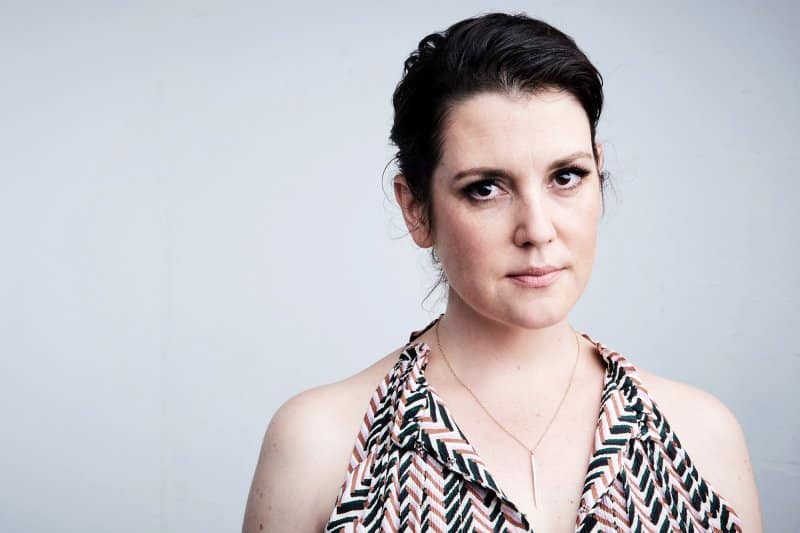
When Jason Ritter announced that his fiancée, actress Melanie Lynskey has misophonia, some people may have been met with interest, and others confusion. I suffer from this disorder too. It’s courageous for Jason and Melanie to openly discuss this disorder, especially since the disorder is lesser-known and has been met with criticism and speculation from the press, and even some doctors are unsure just what it means. For sufferers of this condition that can be polarizing. Misophonia is more than just “hatred of sounds,” it is a neurological disorder.
Sufferers with Misophonia experience what Dr. Jennifer Jo Brout (Founder of the International Misophonia Research Network and the Misophonia and Emotion Program at Duke University) explains what Misophonia is, via the research:


“[M]ost of the studies demonstrate that the part of nervous system that activates fight/flight (the sympathetic system) is over-aroused in response to the aversive sounds commonly described by misophonia sufferers. In addition, these studies suggest that there is a problem with regard to the connectivity between the auditory pathways in the brain and the pathways in which emotions are processed. Brain imaging studies also reveal hyper-activation in these areas (that is, when misophonia patients listen to noises they find aversive, these particular brain areas light up).”

Unfortunately, in the digital age, new disorders have a lot of trouble coming up. Instead of academic articles that are vetted, and reporters that find sources in the medical community, anybody can claim they have a “treatment” and in the world where Wikipedia and WebMD become the new doctors, there is little chance for verification before misinformation spreads like wildfire. In-fact, Dr. Jastreboff who coined the disorder in 2001, worries about these false cures and explains in my prior Huffpost article, “I Have Misophonia and We’re Being Exploited,” his feelings on these ‘treatments’ are rather strong:

“I am familiar with this application, and I am concerned that it actually may make misophonia worse.” In regard to other treatments proposed, he believes neurofeedback is “neutral ― it will not help, but it will not harm” and that hypnotherapy is, “rather neutral, but with potential negative side effects.”

Dr. Brout has also spoken out against what she calls a bevy of charlatans in her New York Observer piece and expresses her concern when she says, “When you Google misophonia, you get them. When you read mainstream articles about misophonia, you see their treatments and groups referenced in the articles. Instead of informed doctors or researchers, you find people promising “cures” to desperate sufferers. I know people who have been have bilked out of over $10,000 (and more), never mind the emotional cost incurred.”
While therapists may think to go for CBT or other cognitive therapies, they are likely to make Misophonia worse due to it not being a cognitive disorder and being neurological and brain-based. One proposed treatment comes from Dr. LeDoux’s work on the amygdala at NYU, and memory reconsolidation therapy has been proposed as a possible treatment in an upcoming study from Duke University. You can learn about Memory Reconsolidation in the following video.
I encourage Melanie and Jason to become involved in the advocacy community. Misophonia is a polarizing condition, and for many sufferers there are little avenues and resources. While Misophonia International and the International Misophonia Research Network facilitate research, and help sufferers with coping skills, there is a greater need for action on a global front. Research, as you can imagine, requires funding – and the NIM has been in crisis these past few years. When diseases like cancer are struggling to find backing, you can imagine the hardship that faces a condition that many doctors are unaware exists.
As an advocate, and sufferer of the disorder, I am greatly impressed by the courage and gumption that Jason and Melanie have shown by putting themselves out there and talking about Misophonia, Kelly Ripa was practically mocked in tabloids when she discussed this condition – and unfortunately, Misophonia sufferers were ridiculed by Kathy Lee and Hoda and called “phony” on air as they mocked potential triggers. Sufferers of the disorder were left hurt, crying… and completely disheartened by the bullying that Misophonia sufferers have faced.
Misophonia sufferers need research and advocacy. One cannot exist without the other. Research is important because it provides the important underlaying mechanisms, and a potential treatment. Advocacy is important because an understanding of this disorder can help reporters, sufferers, and family members to sift through the “mess” that has become an upcoming disorder. Not only is awareness for Misophonia important, this awareness must be based on scientific scrutiny, and on a factual representation of the disorder.
I hope that in wake of more celebrities ‘coming out’ with Misophonia that we see a paradigm shift. While it may not seem like much, every retweet, share, and information exchange helps for more sufferers to learn about potential resources, and the more persons that donate to research, the greater chance we have to see a cure in the next few years. While Misophonia is a polarizing endeavor, I believe we are truly seeing the sun rise and shed light on this dark disorder.
Misophonia Resources and Links:
How to cope with Misophonia: https://sensorydiversity.com/misophonia-coping-tips/
Information on treatment: https://sensorydiversity.com/misophonia-treatment/
How to explain Misophonia: https://sensorydiversity.com/how-to-explain-misophonia/
Sensory Diet (Coping skills by OTs): https://sensorydiversity.com/product/sensory-diet-adults-susan-nesbit-o-t-digital-download/
What is Misophonia? https://sensorydiversity.com/what-is-misophonia
Current Misophonia studies: http://misophonia-research.com/current-research/
Research advisory board: http://misophonia-research.com/misophonia-advisory-board/
Misophonia Providers: www.misophoniaproviders.com
Donate to Misophonia research: https://www.gifts.duke.edu/dukehealth/?designation=3910412
January 13, 2018 0 comments
0 FacebookTwitterPinterestEmail
pexels photo 89517
Awareness

Don’t Be Afraid

by Sensory Diversity December 15, 2017
written by Sensory Diversity

Misophonia is serious.

It is a big deal to get through school with Misophonia, it can be a nightmare, and seriously torturous. I would not have survived grade school without earplugs, and even still, I would have to take bathroom breaks often, just to cool down. I listened to music any chance that a teacher would let me, because sometimes I could hear triggers through my earplugs. I constantly looked frightened and annoyed, and was often very socially awkward. It is a miracle that I even graduated. I got very angry, and cried a lot, mostly in secret, because no one believed me when I told them that sniffing, chewing, coughing, tapping, and ticking, were causing me so much distress. I would get home and lock myself in my room. I constantly had loud music or a fan going to drown out my family, which sounds terrible. Growing up, and going through school is confusing, and difficult enough, but add an odd, and unheard of, brain tick, in the mix, its and makes for an even more exciting time, way too exciting, and stressful.

Misophonia causes me act freakish and odd, for far too long, I was ashamed and defeated and sunk into a dark place, but now, I embrace and respect my uniqueness. Yes, it is strange and weird that I cannot physically and emotionally allow myself to repetitively sense a trigger, and not flee, stop, or mute the trigger in some way. Additionally, once I’m wound up from a trigger, I have to consciously calm and soothe myself back down to normal, before I can re-enter reality, and focus, without a charge of adrenaline rushing through me.

It’s weird, and it is exhausting, but I have a neurological disorder, that pumps extreme floods of weird hormones, and sensations throughout my body, at the slightest noises and experiences. I live with it, I have no other choice. The sooner all sufferers and those around us, accept that we cannot control being triggered and accommodate it, one isolating aspect of the disorder is lifted, and it becomes a little bit easier to process.

There may not be a cure, and if there ever is, it is very far off. Some of us might be dealing with this, on our own, with internet knowledge, for the rest of our lives. I advocate, and write, for the future generations of Misophones. So that maybe we can gain faster recognition and prevent more blind suffering. Mental illnesses and strange learning and sensory disorders, in general, have risen in children by 16% in the last ten years, so humanity will have to pay more attention to the issue at some point. There are many theories in which people believe that the boom in technological advances within the last 50 years, happened faster than the human mind was capable of widely handling, and this is having some backlash. The younger generations now know how to work a cell phone or tv at one and two years old, yet ask your grandma to work them, and see how that goes. This is terrifying, in a way. Regardless, that is only a theory, as to why the learning and sensory disorders are rising, but it is a proven fact that there is an issue, whether it is chemicals we are consuming or using, or what.

Don’t struggle scared and alone, or be uncomfortable.

It has slowly been coming to light, every single day, that there are a lot more Misophones out there than we all realized. We are not alone. We are all different. We are triggered by different things, and affected in different ways, and we all seem to have very sad stories. I’m tired of hearing sad things about Misophonia. Yes, we have a disorder, but we still deserve to be happy in life. We shouldn’t be embarrassed to ask to put on music, or turn on a fan, or get up and take a breather or stretch when we are stressed, and we shouldn’t feel ashamed when we have to wear earplugs, or headphones, whenever, or wherever. Instead of hiding the reasoning and being passive, use the only weapon we can use over the anxiety, include others, and cope as best as we can. If people ask questions about why we are different, or particular, use it as an opportunity to advocate, explain that you have a neurological condition and how it affects you!

No human is perfect, everyone has some sort of battle they face. You have no idea who around you may be struggling too, and being open may create a lot of healthy dialogue. We are not hurting anyone but ourselves by bottling up and feeling ashamed of our biggest hurdle in life, no matter how huge we think it is or how hard we think it will be.

December 15, 2017 0 comments
0 FacebookTwitterPinterestEmail
cute female girl headphones 41553 scaled
Coping

The Best Headphones For Misophonia

by Sensory Diversity December 12, 2017
written by Sensory Diversity

This is a list of headphones for misophonia, added to be sufferers of the disorder. This list will be updated regularly. These headphones are in no particular order, and feature the view of the submitter. Please do send in your own headphone review if you have a pair that you believe are amazing. Headphones and earbuds will be included on this page.

Lower End Headphones for Misophonia

Bluedio Wireless Headphones

Price Range: Low-Mid

Where To Buy: Amazon

cope with misophonia bluedio headphonesI mentioned these headphones in my article, “The Tools I Use To Cope With Misophonia“, and while I am still on the market for new headphones, I still maintain that Bluedio are a great value for their lower-end price.

Here’s a confession. I’ve never found the perfect pair of headphones for my misophonia.

Actually, I’m not really sure one exists but I am always willing to find solutions. I’ve bought, sold, and gave away so many pairs. These ones are pretty good, though. They’re bluetooth compatible with most devices, wireless, and very easy to switch the song and volume by clicking buttons on the right earpiece.


By Post Author

31XmE8iECQL

Samsung Phone Earbuds

Price Range: Low

Where To Buy: Amazon

This suggestion comes from Rachel’s article, “Earplug & Headphone Suggestions by Rachel“. So far, the most comfortable, and noise canceling headphones I have come across, are ones that have the plastic cup buds. They are lightweight, and can even be slept in, if small enough. They can come with a mic, so if you are on your phone, you can still answer calls. They are usually sold at dollar stores, and I would recommend getting the cheaper ones. No matter how expensive it is, with the amount of times a Misophone has to use it, and the frustration that usually comes with having to, they are bound to break often.

By Rachel


Avantree 40 hr Wireless / Wired Bluetooth 4.0 Over-the-Ear Headphones

headphones for misophonia

Price Range: Low-Mid

Where To Buy: Amazon

For the lower to middle end of the price-range, I am rather impressed by these Avantree headphones. Firstly, they hold their charge quite well, despite only being charged now and then. Most importantly, they are comfortable, and the sound is not abrasive. While they do not have the same blocking coverage as the higher end Bose, they are certainly more reliable than the other cheap options on the list. An added bonus is that they are capable of both Bluetooth and Aux. Therefore, if you’re trapped without a bluetooth device, you can still quickly plug your headphones in. I’ve used these grocery shopping, and the range was so great that when I accidentally walked away from my mother who had the cart, I got coverage through half a store.

By Post Author

Sol-Republic Relays Sport Ear-buds

Sol-Republic Relay Sport Ear-buds for misophoniaPrice Range: Low

Where To Buy: Amazon

Great product. It works really well to block out sounds. They are frequently on sale, too. The sound quality is pretty good too. I give it 4/5 stars.

Submitted by Hayden


Sony NC-7 Noise Cancelling Headphones

Price Range: Low

*Where To Buy: Ebay (United States, Canada)
*These headphones may be hard to find, but they’re being added in the off-chance people can find second-hand or in-store. 

sony headphones misophoniaIt says on the package that these are “ideal for travel” and offer an “87.4% Ambient Noise Reduction.” It’s not perfect but it is better than a lot of so-called noise canceling headphones out there. These come with a sliding on/off button for times when you want or don’t want noise canceling. When I have the button on I cannot hear anything except what is playing through the headphones. What I like about the headphones besides the fact that they’re great on buses, trains and planes is that they are collapsible and not bulky like other headsets. They take one AAA battery and come with a plug adaptor to plug into a dual jack or stereo jack. Mine also came with a soft black carrying pouch for storage. You can also buy a hard case for these separately. The ear pads can make your ears sweaty in the summer, but can be replaced, and the headphones may stop working after continuous usage, but it usually takes years for that to happen unless you don’t take care of them. The headband may pinch your neck so take precautions. Sony discontinued this model several years ago but you can still get them on eBay or Amazon. I like sales so I try to get two pairs at once. These come in black but I believe I have seen then in white. They are pretty good at blocking out sounds like tapping and clicking and mute sharper sounds like gum popping provided you have white or pink noise playing.

Submitted by Shaye

AblePlanet Wired Headphones

able planet misophonia headphones

Price Range: Low

*Where To Buy: Ebay (United States, Canada)
*These headphones may be hard to find, but they’re being added in the off-chance people can find second-hand or in-store. 

When I was Princess Auto (a Canadian retail chain specializing in farm, industrial, garage, hydraulics and surplus items), I found these headphones. On an impulse, I bought them. I had no headphones with me, and I wanted the car ride to be more favourable. I didn’t have high hopes for them, but they’re surprisingly sound resistant. Like the Sony headphones above, these are no longer stocked in stores, but you can find them on Ebay. I find these headphones rather comfortable (almost all headphones hurt my ears) and have lasted me a few years of regular use. They also have a dial on them where I can easily adjust the volume.

By Post Author

Higher End Headphones for Misophonia

Beats Studio3 Wireless Headphones

Beats Studio3 Wireless Headphones misophonia headphonesPrice Range: High

Where To Buy: Amazon

Beats Studio3 are the closest I get to a safe place. For various issues, TV is the one thing that relaxes me but, unfortunately, we have ridiculously loud neighbors and very thin walls. I found a wireless transmitter that allows me to hear the TV through my headphones, blocking out the world around me. Additionally, if I want to read a book, the headphones connect to my meditation app on my phone that provides the sounds of rain or the ocean to make the distractions disappear. The headphones are very comfortable and hold a good charge for hours. I did have to replace my first pair after about a year, but that could have been a fluke. Overall, pricey but worth it for the sound security.

Submitted by Sara


Skullcandy Crusher Wireless Headphones

skullcandy headphones for misophoniaPrice Range: Mid-High

Where To Buy:  Amazon

I have several fancy/expensive sets of headphones, but these are by far my favorite! The Bose 35’s (my 2nd favorite) are too big for my head and flop around if I have to lean forward or bend over, but these Skullcandy Crusher Wireless headphones fit perfectly. They aren’t as noise cancelling as Bose, but that’s better for me in social situations because I can hear normal conversation without hearing background trigger noises. I also like that I don’t have to download an app to make these work, they connect to my phone with Bluetooth automatically. These headphones are durable and fold up small enough to easily fit in my purse. I like that they are wireless because I don’t have to worry about the cord getting tangled or caught. They do have a place for a cord if you prefer having a cord. Sometimes I use the cord to connect to machines at the gym.

Submitted By Amanda


Bose Quiet Comfort 35 Noise Canceling Headphones

Bose QuietComfort 35 Wireless Bluetooth Headphones, Black misophonia headphonesPrice Range: High

Where To Buy: Amazon

The Bose Quiet Comfort 35 (II) are kind of heavy, especially if you are used to earbuds. The style is around-the-ear. I use them because I think they are very good at noise canceling.

They also reproduce music well, and are not bass-heavy like beats, which I don’t like. I find that I can wear them for hours, while earbuds irritate me in less than an hour. I wear them everywhere, around my neck. I don’t care if I look nerdy. Being able to wear them when someone triggers me makes it worth it. My wireless range is about 20 feet. I recharge every night. The earphones still say 100 percent charged even if not used for a few days.

Submitted by Sondheim

Bose QuietComfort 25 (QC 25)

Price Range: High

Where To Buy: Amazon

I love the Bose QC25s. They are very very similarbose headphones for misophonia to the 35’s, the newest model from Bose, however their are slight differences. One being, the 25’s have replaceable batteries, whereas the 35’s have an internal irreplaceable single battery that needs to be charged for the noise cancelling to work. These batteries in the 35’s last slightly more than 10 hours or so which suits most people and is great for the office and travelling to and from work. However, for extended use; i.e. on a plane trip from Sydney to Los Angeles, which is > 20 hours; this simply will not do. And is why for me at least, the QC 25’s reign supreme. Another difference, is the 35’s have built in BlueTooth, where as the 25’s don’t. There are third party bluetooth adapters for the 25’s if you need it that badly, and still require > 10 hours of battery use at a time. Otherwise; this would be the only downside I see to the 25’s. Is having to have the cord in your way, especially when working at a crowded desk.

Submitted by Rowan

Bose QuietComfort 20 Acoustic Noise Cancelling Earbuds

Bose QuietComfort 20 Acoustic Noise Cancelling Headphones misophonia

Price Range: High

Where To Buy: Amazon

The Bose QuietComfort 20 earbuds are sound cancelling and they simply block out almost everything. Especially if you are watching tv or playing music through them. But even just with noise cancelling turned on they are incredible! They are very snug and come with 3 different size buds. I try not to sleep with them in so I don’t break the wires. But the few times I have slept with them in they don’t hurt too much, maybe only a little, but if it assists with aiding misophonia I can deal with a little uncomfortable-ness. They have an expensive price tag, but as a sufferer, truly believe they are worth it

Submitted by Camilla

Beyerdynamic DT 770 Pro.

Price Range: High

Where To Buy: AmazonBeyerdynamic DT 770 Pro misophonia headphones

I liked these headphones so much at work, I wound up getting a second pair for home. Insulation is very good even if you’re not playing any sound. If you play music, it sounds great.

Pay attention to the Ohm rating and make sure it’s the right one for how you’re going to use them. I use 32 Ohm for just plugging into my computer.

I would encourage anyone to read about the different types of headphones, especially the difference between “noise-cancelling” and “noise-isolating.” I find the latter to be far better for misophonia mitigation purposes.

Submitted by Dean

Rowkin Bit Charge Wireless Earbuds

Rowkin Bit Charge Wireless Earbuds for misophoniaPrice Range: Mid-High

Where To Buy: Amazon

If you need discreet headphones, these tiny wireless headphones are amazing! In situations that require cover up noise, but not socially appropriate to wear headphones, these barely noticeable ear pieces are the next best thing to hearing aid sound generators that cost a lot of money. Unfortunately the battery only lasts about 2 hours, but they recharge quickly and the carry case is the charger. The carry case charger doubles as a backup phone battery, and can recharge the headphones or a phone 2-3 times before needing to be plugged in to fully recharge. I seriously love these tiny in ear headphones for work situations when I can’t use my favorite over the ear headphones. They cover sounds extremely well, so well that I usually only use one ear at a time.

Submitted By Amanda


I’d like to thank all the people willing to share their headphones with us, and generous enough to submit!

Some other awesome options:

December 12, 2017 0 comments
1 FacebookTwitterPinterestEmail
5460340553 90d4dcabe3 b
Coping

Defining Misophonia

by Sensory Diversity December 11, 2017
written by Sensory Diversity

Misophonia is officially defined as the hatred of sound. This definition isn’t quite right. Yes I hate some sounds, but not all sounds. I still love music, I love the sound of a baby laughing on his stroller from the Baby Stroller Reviews, I love the sound of my cats purring. But there are some sounds that I hate with a passion. It’s not just hatred though, it’s more than that but it’s also less than that. How do I put this in words to make someone without misophonia understand? Imagine you are sitting at a table eating dinner with your family. If the thought of that made you flinch or filled you with fear, you probably have misophonia. If that’s true I’m sorry. If that’s not true, consider yourself lucky. That dinner table with your family would be filled with noises. Noises that most people hardly notice. The scraping of a fork against a plate, the chewing of food, the slurping of a drink, even the sound of someone swallowing or breathing. All these things and more make that dinner table hell for those of us with misophonia. I apologise right now, because if you have misophonia even reading about those sounds could cause pain.

Some of you without misophonia may be thinking “But everyone gets annoyed by these sounds”, stop that thought right now. Misophonia is more than annoyance, it’s wanting to scream because someone’s breathing too loud. It’s wanting to punch someone who’s smacking their gum. It’s wanting to rip your own ears off because you can’t escape the noise. Hey, if Van Gogh cut off his ear maybe I could too right. That thought goes through my mind more often than it probably should.

Those noises are everywhere. There is literally no way to escape them. Even those of us with misophonia make these noises, sometimes on bad days even the noises I make trigger me. We can put in our earbuds and turn on some music or white noise, but it doesn’t make the noise go away. So we go about our daily lives fighting back the urge to strangle someone every day. Sometimes I don’t even know how I’ve made it through the day. Sometimes I come home from school and all I want to do is scream and cry like a two year old. Sometimes I have panic attacks. Sometimes I can’t even stand the sound of my own breathing. But other times I’m fine. Sometimes I’ll be doing something and I’ll be able to forget that I even have misophonia. It’s not all bad, but it’s definitely not all sunshine and rainbows either.

So if I could define misophonia in my own words how would I define it? I’d define it as a disorder that makes the people who have it have adverse and intense emotional and physical responses to certain noises. These noises often include noises made with the mouth and small repetitive noises. Reactions to these noises may include violent urges to hurt those who are making the noise or themselves, sudden feelings of rage and/or panic, and intense anxiety. This is also a disorder which at the moment has no cure.

There may not be a cure. Not just yet. But I have to hope that someday there will be. Maybe not in my lifetime, maybe not for a century or more. But sooner or later there will be. Until then all I can do is this, writing. Putting my voice out there. Helping people understand. Maybe someone with misophonia will read this and feel a little less alone in their struggle.
This is my definition of misophonia. But I will not let misophonia define me.

Editor Note: There’s a wonderful study at Duke University that has proposed a possible treatment for misophonia. The best part, it’s starting in 2018! To find information on this study, or donate, please go here. 

December 11, 2017 0 comments
1 FacebookTwitterPinterestEmail
bench sea sunny man scaled
Personal StoriesRelationshipsTeens

Young Relationships with Misophonia

by Sensory Diversity November 29, 2017
written by Sensory Diversity

As some of you may know, I’m an adolescent, or a teenager. I’m only 16 but I’m not ashamed to admit I have been in quite a few relationships. There’s a lot of judgement surrounding this top which I believe is unfair. Adolescence is a period of time for learning and discovery. You learn to discover what’s best for you and how your mind works and how you communicate with other people. Obviously, illnesses or disorders – Including Misophonia – make the learning process that more difficult. These are surprising way to improve couple relations if you´re having trouble.

When I first realised I had misophonia, I didn’t tell anyone for years. I discovered it in 2013 and this year was the year I started telling people. I didn’t tell anyone at first because I thought it wasn’t a real thing. I thought that people would judge me if a doctor didn’t say it existed. I thought there was nothing anyone could do about it. I was wrong, however. Despite the lack of an official cure or treatment specifically for misophonia, there are lots of things I can do to help cope with misophonia.

When I started telling people, I only told my mother and my older sister at first. Unlike the majority of teenagers, I do not have a large social group. I don’t have lots of friends on Facebook that I talk to and I don’t meet up with groups of friends at weekends because I do not have groups of friends. After telling them, I struggled to tell my boyfriend. For his privacy, I’ll be calling him A for Anonymous.

At the time, we had been dating for around 2 months. Not long, I know, but I take relationships seriously. I told him I had a rare disorder called misophonia and naturally, he didn’t know about it. Never even heard of it. I don’t blame him, of course. Either way, I explained it clearly. I told him it was a (likely) neurological disorder that, when faced with certain sounds or ‘triggers’ I would respond with the fight-flight-freeze reaction as seen in anxiety attacks, and I could not control it. I didn’t know how else to put it.

I could tell he didn’t completely understand for a while, and that’s okay. I barely understand it myself.

I didn’t tell him my triggers at the time. Not for about a month. I didn’t tell him because he is a boy that likes to joke around and doesn’t take many things seriously. I suppose I didn’t trust him, which is a bad sign in any relationship. One of my triggers is bone cracking, like when someone cracks their knuckles. As if to test it out, he immediately cracked a knuckle and I swear I wanted to punch him.

I don’t usually get angry, at all, but at that moment in time I really wanted to punch him to make him stop.

After a while, he stopped. Thank God. He never spoke about my misophonia. He never asked me about it unless I brought it up, he never asked me about the triggers, never asked me how I cope with it. In a way, I’m happy he doesn’t. I’m happy about it because we had less serious conversations and  I never have to think about it really. On the other hand, I’m concerned that he isn’t bothered by my misophonia. Or that he doesn’t seem interested. Or when I told him I started posting on this website, I was excited, but he seemed uninterested. I can’t say it’s a big deal, as I don’t expect everyone to be obsessing over me or my illnesses.

Despite all this, I’m happy. I’m happy with my boyfriend (we’ve been dating for almost 7 months now) and I believe he understands me. He’s always there to support me.

Similarly to me, many teenagers don’t have successful relationships. For adolescents with disorders or illnesses or conditions, whether it be learning disabilities, mental health issues, physical disabilities- relationships can be even more difficult. The conditions can interfere with how you communicate with your partner, how you interpret what they do or say, how you act around them and so on. No matter what your may have, or even if you do not have anything of the such, there are still ways to get advice on the internet.

For the teenagers reading this, however, I’d like to offer just a bit of wisdom from my own experiences.

When you’re in a relationship and you truly believe it is long-term, you should be open about your conditions. If you need to, you can wait a few months before bringing the subject up. A serious conversation is needed once in a while in relationships. Tell your partner it’s serious and explain it very clearly. If they have any questions, answer them without ridiculing them for not knowing the answer. It’s important that they know the things they need to know. If they do not take it seriously for a while, it’s likely not worth it. If they don’t care about your health, that is a huge red flag.

Overall, tell your partner anything important. This is advice for any age, really, but more important for teenagers as they tend to be less serious about their relationships and can end up in toxic or abusive relationships.

November 29, 2017 0 comments
0 FacebookTwitterPinterestEmail
pexels photo 240021
AdvocacyTreatmentTreatment Experience

Personal Experience: Exposure Therapy Doesn’t Work

by Sensory Diversity November 22, 2017
written by Sensory Diversity

I used the free exposure therapy app at the urging of my psych and therapist who are convinced that the only way for me to learn to tolerate sounds is to listen to triggers, gradually increasing the volume and frequency.

I did not find it helpful. It agitates me, it does not in any way increase tolerance. They (and I) both read Tom Dozier’s book – the guy who made the trigger apps, and wants to change the name of misophonia.

He isn’t advocating for typical exposure therapy, but my psych and therapist think he is and both tried to throw me into a group therapy of about 15 people. This was WAY too much exposure at once. I have misokinesia too, and I sat there, earplugs in, trying not to look at anyone, basically in a flight rage panic attack for the first hour and then fled.

I am on disability, as over the years my misophonia has worsened, as well I have a number of other disorders. The only relief I have from misophonia is being able to control my environment at home, with the aid of earplugs and noise cxling headphones.

Exposure therapy (any kind that I know of)is hopeless. I worked with misophonia for many years, and the erance does not increase with exposure, you just learn to internalize your rage responses, or plan escapes from group meetings etc.

I had to drop out of college because of misophonia (and other disorders), but misophonia was the primary cause. Earplugs didn’t help in that setting.

Submitted by Jane

Editor note: Here are some resources on treatment (there is none, currently), research, and a pamphlet for explaining misophonia to your doctor.


Misophonia Treatment


https://sensorydiversity.com/misophonia-coping-tips/


https://sensorydiversity.com/misophonia-professionals-information-packet/


Have an experience to share? Submit your story:

https://sensorydiversity.com/submissions/

November 22, 2017 0 comments
0 FacebookTwitterPinterestEmail
woman typing writing windows 1 scaled
Advocacy

A Typical Day At The Office

by Sensory Diversity November 20, 2017
written by Sensory Diversity

It is Monday morning again. I make it a point to arrive at the office about 10-15 minutes early to avoid the “morning rush” filtering in the building. I quietly enter the office making it safely to my office and immediate close the door. 8 am is approaching and everyone begins to arrive. Do they go to their desk and begin their day? Of course not, voices from the kitchen echoes down the hall seeping through the walls.  Loud voices, shrilly voices, squeaky voices all making my ears bleed. Shut up! Misophonia triggered! Giggle giggle cackle. “How was your weekend?” How long does it take to make a cup of coffee? You pour it in a cup add sugar and cream and you are done.

Do you NOT have work to do? Oh no, here they come. CLICK CLACK!  STOMP! STOMP! As they trudge to their desk like the Jolly Green Giant. Can anyone walk normally? What are they wearing, cement shoes? Time to chat with their cubicle neighbors. These people do not speak in normal voices, they talk as loud as they possibly can. Pay attention to me! I often wonder why they talk loud enough for the entire office to hear yet they have to repeat these stories several times. Trust me, we ALL heard about your weekend the first time.

My coworker arrives and turns her walkie talkie on. As soon as the first call blares, I snap. “Can you please turn that off?” She is aware that I suffer from Misophonia and tries her best not to trigger me so she shuts it off. We keep the door closed to block out the office noises but the walls and doors are thin so it only muffles them a bit. Then it begins… 

Knock knock! Knock knock! Grrr. Please just come in. An employee walks in and starts to speak Spanish in a loud and high pitched voice. Tune it out, just tune it out. I can’t all I hear is rattling like the adult voices in a Peanuts show. Although the conversation only lasts a few minutes it seems like hours. I am trying so hard to focus on my work. When they exit our office it never fails that they leave the door ajar. A blast of sounds floods through the open door like a tidal wave in my head. I develop a knot in the pit of my stomach, nausea sets in as I close the door again.

Down the hall, the owner of the company is screaming on the phone to someone. It sounds like he is standing right next to me screaming in my ear. He is so loud and angry I can see the vein bulging in his neck through the walls. Someone walks in his office. SLAM! I jump. Why bother closing the door? We can all still hear his conversation because his normal voice is yelling.

More knocking on our door, more loud talking. I cannot take it. The sound of my keyboard and mouse clicking is driving me crazy. My blood is boiling as heat rises to my face. I would love to jump out of this window. Deep breathing, trying to give my complete focus to my job, but now there is someone in the office next door, the walls are vibrating with the sounds of their conversation. Mumble mumble mumble. Why is everyone so loud?

Lunchtime, probably one of the WORST times of the day. I eat my lunch at my desk because the last place I can be is in our kitchen. Eating noises, dishes clanging, this room is bane of my existence.   Regardless, I still cannot escape the obnoxious commotion of lunchtime. The kitchen is down the hall, but it sounds like it is right next to me. Deafening voices, laughing, cackling, this is a very rowdy crowd of people.

Strange how they always say how much they dislike each other but put them in a room and they become the noisiest crowd imaginable. Irately I blurt out “What the hell are they doing in there?”  My coworker senses that I am at my limit. She gets up and walks down the hall, things quiet down.  When she returns she tells me that she asked them to quiet down. Thank God! I am on the verge of tears but I have to hold it in. I find myself rocking to try to calm down, but it doesn’t work. A loud page blasts through my phone, I jump up grab the phone and toss it. Sadly it does not break, so I leave my phone off the hook so I do not have to hear the PA system.

Conversations… Why don’t these people understand simple office etiquette? They attempt to have a conversation by shouting at each other from several cubicles away. Is it really that difficult to walk over to someone’s cubicle and speak in a normal voice; or here is a novel idea, we have these devices on our desks called telephones, all you need to do it pick it up and talk to the person. This is an office not a playground. Have you ever heard of using an inside voice? There is no need for everyone in the office to hear your conversation.

Every office has the obnoxious employees that insist the only way to talk is to talk is if they speak over each other. Piercing nasal voices, one trying to out speak the other. Isn’t there a quieter way to get your point across? Will you please just SHUT UP?  

I am being paged by the owner to report to his office. Most likely he wants to ask me something that could easily be handled over the phone. I peek my head in his office. “What did you need?” He replies in aloud gruff voice, “HUH? WHAT? Uh…. Um, uh… hang on a second, oh I forgot what I wanted.” That gun is about to explode in my head. 

By mid-day I am emotionally and physically exhausted. My trigger tolerance is off the charts; I am anxious, nauseous and have a migraine. There is not a safe place to go to avoid the triggers. I have to hold my anger inside which feeds my anxiety. This place is like Miracle Grow for my triggers. I want to crawl out of my skin. Major sensory overload. Is it time to go home yet?

Some days are worse than others, working in Human Resources we constantly have employees in our office asking questions, complaining, etc. Many work in a loud production area, so they tend to speak louder without realizing it. Constant triggers all day long, staplers, shoes, talking, sneezing, phones ringing, the list is endless. 

Finally it is 4:00, time to go home! I am so wired from the day’s events. I really need to decompress. The moment I walk in the door the chaos continues. Dogs jumping all over me- happy to see me, wanting their dinner… NOW! The kids rush downstairs to greet me, not even giving me a chance to put my purse down. The only thing I want to do is sit down and relax which I finally get to do around 6:00. It has been a long day, thankfully I only have to do this once a week.

You are probably wondering, “why don’t you find another job?” I have spent 28 years of my life at this company; I grew up here. We are family. Sure they trigger me like crazy but I know deep in my heart that some of these people will always be there to support me.

November 20, 2017 0 comments
0 FacebookTwitterPinterestEmail
Newer Posts
Older Posts

Sensory Diversity is the recognition that every individual perceives, filters, and responds to the world in a unique way. While neurodiversity celebrates the different ways we think, sensory diversity focuses on the gateway to those thoughts: our senses.

Social media infographics and posts are not a reflection of the views of the site owner or individual site authors. These posts come from a variety of sources and reflect numerous viewpoints through the sensory and neurodiversity community.

Recent Posts

  • Sensory Accessibility Suggestions for World of Warcraft
  • When It Isn’t ADHD or Autism: The Lost Tribe of Neurodivergence
  • What It’s Like Living With Misophonia
  • How Misophonia Actually Feels for Sufferers
  • What is Sensory Dysregulation?

Recent Comments

  1. Lilian on Misokinesia
  2. admin on Misokinesia
  3. Dense Caldwell on Misokinesia

Product links may be affiliate links. This site makes a small commission off these links.

  • Facebook
  • Instagram
  • Linkedin
  • Tumblr

@2021 - All Right Reserved. Designed and Developed by PenciDesign


Back To Top
Sensory Diversity
  • Home
  • Blog
  • Neurodivergence
    • What is Autism?
    • What is ADHD?
    • What is Sensory Integration / Sensory Processing Disorder?
    • What is Misophonia?
    • What is Misokinesia?
  • Sensory Lifestyle
  • Sensory DIY

Shopping Cart

Close

No products in the cart.

Close