Misophonia and Brain Connectivity
The human brain is a complex system, consisting of around 80 billion neurons and around 1000-10000 connections between each of those neurons. Enormous complexity, so much, in fact, that the

The human brain is a complex system, consisting of around 80 billion neurons and around 1000-10000 connections between each of those neurons. Enormous complexity, so much, in fact, that the

Almost every article about the origin of misophonia begins like this: “Misophonia, which means ‘hatred of sound” was termed by Jastreboff and Jastreboff in 2001.” After this cursory mention of

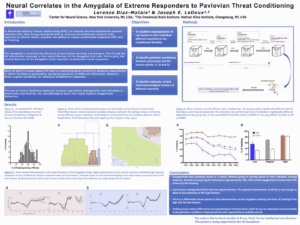
LeDoux Lab Findings (January 2017) One of the working theories related to mechanisms underlying misophonia is that auditory stimuli may be misinterpreted by the brain as dangerous, or threatening.

Sound Sensitivity and Auditory Gating Study Marina Kliuchko of the Cognitive Brain Research Unit at the Institute of Behavioural Sciences (University of Helsinki, Findland) and colleagues sought to better understand and more specifically measure

Misophonia describes a neurologically based disorder in which auditory stimuli (and sometimes visual) is misinterpreted within the central nervous system. Individuals with misophonia are set off or “triggered” by very

Would you tell us a little bit about yourself and what you study? I am an experimental psychology Ph.D. candidate at the University of California, San Diego. I am studying

What can modern genetic theory tell us about misophonia? Is misophonia genetic? At a basic scientific level, the answer is “we don’t know”. This answer is because misophonia has

Since Misophonia is a new disorder, research may go several different ways. Dr. Stephen Porges, who proposed “the Polyvagal Theory”, has been studying the relationship between sounds and our reactions

Misophonia Occupational Therapy could be beneficial to misophonia sufferers. Susan Nesbit suffers from Misophonia. She is also an OT that works with Sensory Processing Disorder (or SPD). Susan Nesbit speaks