
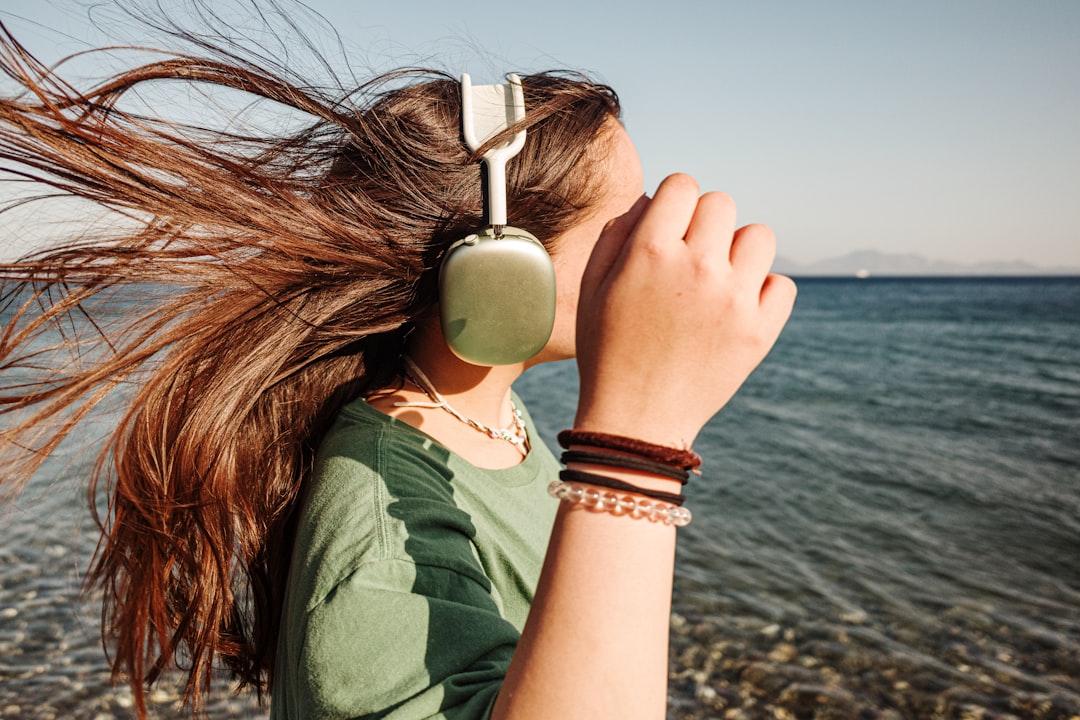
While summer is widely celebrated as a season of relaxation, outdoor fun, and leisure, it presents a unique set of neurophysiological challenges for individuals living with misophonia. A common misconception is that misophonia triggers are exclusively human-generated noises, such as chewing, breathing, or sniffling. However, clinical literature and lived experiences confirm that non-human, environmental sounds can be just as intensely disruptive, triggering an immediate fight-flight-freeze response.
For students and young adults, summer can sometimes offer a brief reprieve because they gain greater autonomy over their schedules and personal environments. Yet, for many others, the warmer months introduce an inescapable barrage of seasonal ambient noise that is notoriously difficult to manage.
The Problem with Environmental Low-Frequencies
One of the most pervasive hurdles of the summer season is the constant hum of outdoor maintenance equipment, specifically lawnmowers, leaf blowers, and weed whackers. Unlike human-produced sounds, which typically occupy a higher, more distinct frequency band, industrial lawn and garden equipment operates at a heavy, low-frequency rumble.
This acoustic profile presents a severe clinical challenge. Standard sound-masking strategies frequently utilized by audiologists—such as introducing white noise or pink noise generators—are highly effective at masking sharp, localized sounds, but they are often completely drowned out by the deep, heavy resonance of a lawnmower outside a window.
To combat this, a multi-layered sensory approach is often necessary. Combining traditional sound-masking frequencies with high-quality consumer hardware featuring Active Noise Cancellation (ANC) can create a far more robust protective barrier. While more empirical research is needed to quantify the precise clinical efficacy of combining ANC with sound masking, community feedback suggests that this dual-layer strategy is one of the most reliable ways to insulate the nervous system from inescapable environmental low-frequencies.
Incorporating a Summer “Sensory Diet”
Because managing a sensory condition requires looking at the body as a whole, real-time auditory protection should be paired with broader regulatory strategies. Borrowing concepts from occupational therapy, individuals can benefit immensely from building a proactive “sensory diet” into their summer routines.
A sensory diet involves intentionally engaging in activities that naturally soothe, ground, and regulate the nervous system, helping to lower an individual’s overall daily baseline of anxiety. Summer provides excellent opportunities for these somatic outlets, such as swimming, hiking in dense nature away from urban machinery, or participating in preferred sports.
Additionally, when a trigger cannot be avoided and physical escape is impossible, leaning directly into the “freeze” or rest state of the nervous system can prevent cumulative sensory burnout. In these moments of acute distress, practicing internal grounding exercises can help stabilize an over-activated sympathetic nervous system:
-
Utilizing structured breathing patterns, such as box breathing (four-square breathing).
-
Focusing intently on grounding mantras to anchor the cognitive mind.
-
Employing tactile distraction tools, such as stress balls or fidget devices, to help redirect physical tension away from the auditory threat.
Embracing Flexibility and Validation
Ultimately, navigating summer with misophonia requires radical flexibility and a deep commitment to self-compassion. It is vital for individuals, families, and clinicians to acknowledge that being triggered is an involuntary neurophysiological reflex—not a lack of willpower, an emotional failure, or a behavioral choice.
If a summer gathering, an outdoor event, or a neighborhood environment becomes too sensorily overwhelming, stepping away to protect your nervous system is a completely rational, adaptive choice. True support means moving past seasonal expectations and giving yourself permission to prioritize your neurodivergent health, exploring and embracing whatever customized combination of tools allows your nervous system to safely rest.
